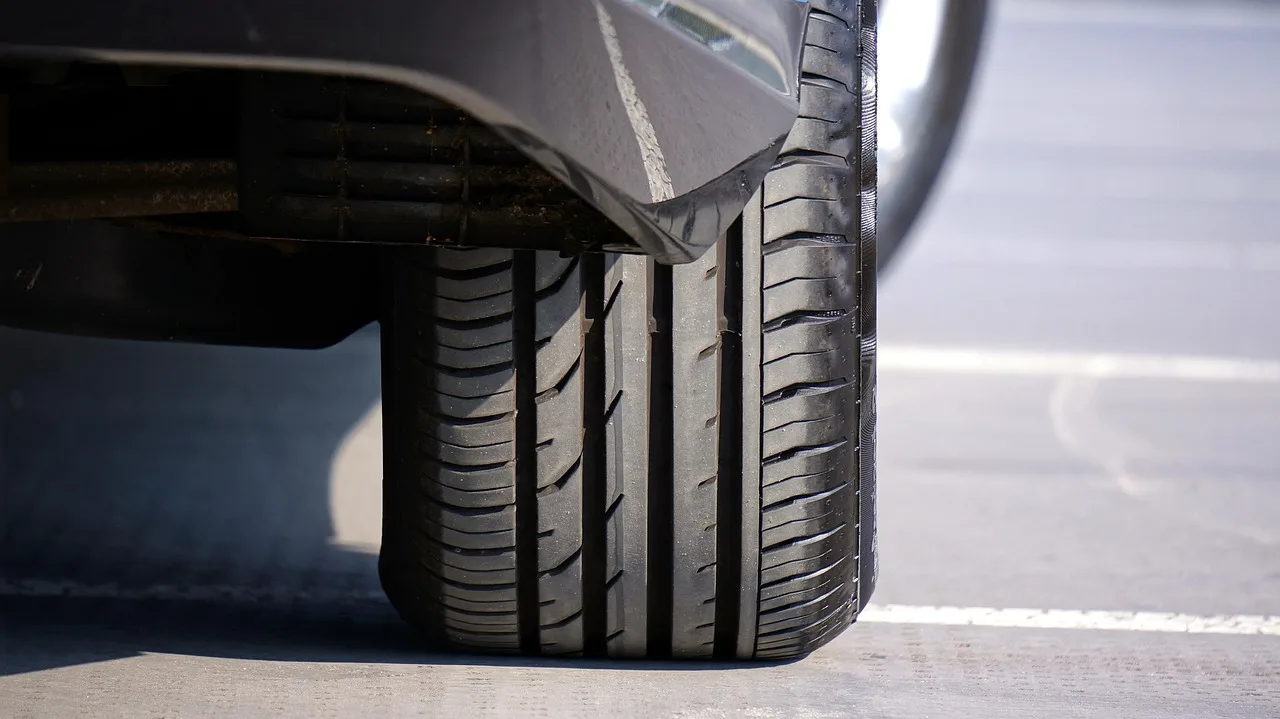
Tire size chart: how to decode width, ratio, and rim
A tire size like 225/45R17 generally means 225 mm width, a 45% sidewall ratio, and a 17-inch rim. For fitment, a common rule of thumb is to keep overall diameter close to stock, ideally within about 3%. Wrong sizing can scrape fenders, rub suspension parts, throw off speedometer readings, and change handling. This guide shows how to read tire size charts, calculate actual dimensions, and check wheel width, clearance, and speedometer impact before you buy.
How to read a tire size chart
A tire size chart starts with the sidewall code, usually in a format like 225/45R17. Read it left to right: section width in millimeters, aspect ratio as a percentage, radial construction marked by R, and rim diameter in inches. That four-part code is the starting point for fitment, not the full answer.
What each part of 225/45R17 means
In 225/45R17, 225 is the section width in millimeters, 45 is the aspect ratio, R means radial construction, and 17 is the rim diameter in inches. The width and ratio tell you the tire’s sidewall shape. The rim diameter must match the wheel exactly.
Most modern passenger tires use radial construction. Bias-ply tires are built differently and are not a direct replacement just because the rim diameter looks similar.
Where the size code appears on the sidewall
You will usually find the code molded into the outer sidewall, along with load index and speed rating information. The size line is only one part of the tire’s markings. To buy the right replacement, check the vehicle placard and owner’s manual too.
Size decoding table
| Size | Width (mm) | Sidewall height (mm) | Overall diameter (in.) | Simple fitment note |
|---|---|---|---|---|
| 185/65R15 | 185 | 120.25 | 24.47 | Common compact-car size; check wheel width and clearance. |
| 195/60R15 | 195 | 117.00 | 24.22 | Slightly shorter than many 15-inch stock fits. |
| 205/55R16 | 205 | 112.75 | 24.88 | Popular passenger-car size; usually close to many stock setups. |
| 215/55R17 | 215 | 118.25 | 26.31 | Often used on midsize cars; compare against original diameter. |
| 225/45R17 | 225 | 101.25 | 24.98 | Lower-profile fit; wheel width matters more here. |
| 225/50R17 | 225 | 112.50 | 25.86 | Same rim diameter as 225/45R17, but taller overall. |
| 235/55R18 | 235 | 129.25 | 28.17 | Common on crossovers; check fender and strut clearance. |
| 245/45R18 | 245 | 110.25 | 25.68 | Sports-sedan type fitment; sidewall height drops. |
| 255/50R20 | 255 | 127.50 | 30.03 | Large-diameter fit; vehicle tolerance and load rating matter. |
| 275/65R18 | 275 | 178.75 | 32.08 | Truck or SUV size; verify load capacity and clearance carefully. |
To calculate sidewall height, multiply width by aspect ratio, then divide by 100. To calculate overall diameter, convert that sidewall height from millimeters to inches, double it for top and bottom sidewalls, and add the rim diameter. Example: 225/45R17 gives about 101.25 mm of sidewall, or about 3.99 inches, and an overall diameter of about 24.98 inches.
What the numbers on a tire sidewall mean
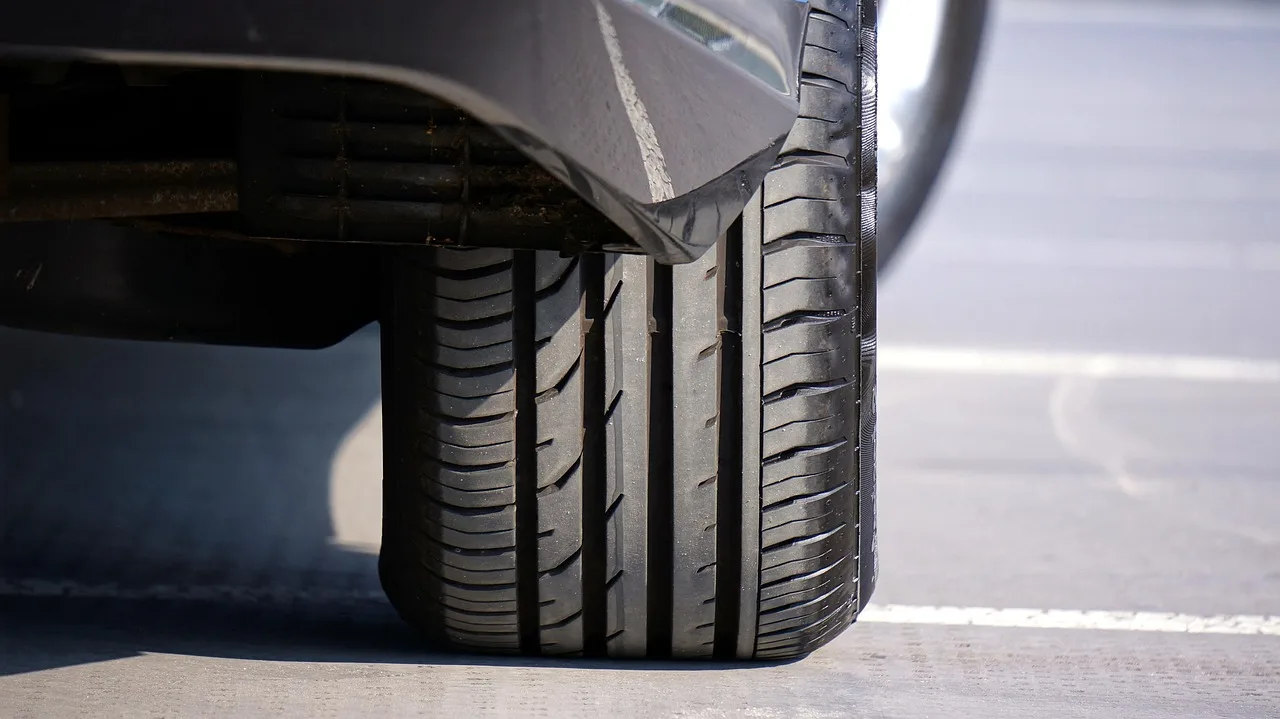
The numbers on a tire sidewall tell you the tire’s size, shape, and wheel match. Width is listed in millimeters. Aspect ratio is a percentage of that width. The rim diameter is in inches and must match the wheel diameter exactly. The letter between them usually tells you the construction type.
What does the width in a tire size mean?
Section width is the tire’s width from sidewall to sidewall, measured in millimeters, though actual mounted width can vary slightly by design and wheel width. It affects grip, steering feel, fit in the wheel well, and how much space the tire needs near struts, fenders, and suspension parts.
A wider tire is not automatically better. If the wheel is too narrow or too wide for the tire maker’s range, the bead may not seat as intended and the sidewall shape can change enough to affect wear and handling.
What does the aspect ratio on a tire mean?
Aspect ratio is the sidewall height as a percentage of tire width. A 45-series tire has a shorter sidewall than a 60-series tire of similar width. Lower numbers usually mean firmer turn-in and less sidewall flex, while higher numbers usually give more cushion and a softer ride.
Because the ratio changes sidewall height, it also changes overall diameter. That is why two tires can share the same rim diameter and still behave differently on the road.
Wheel width and rim fit
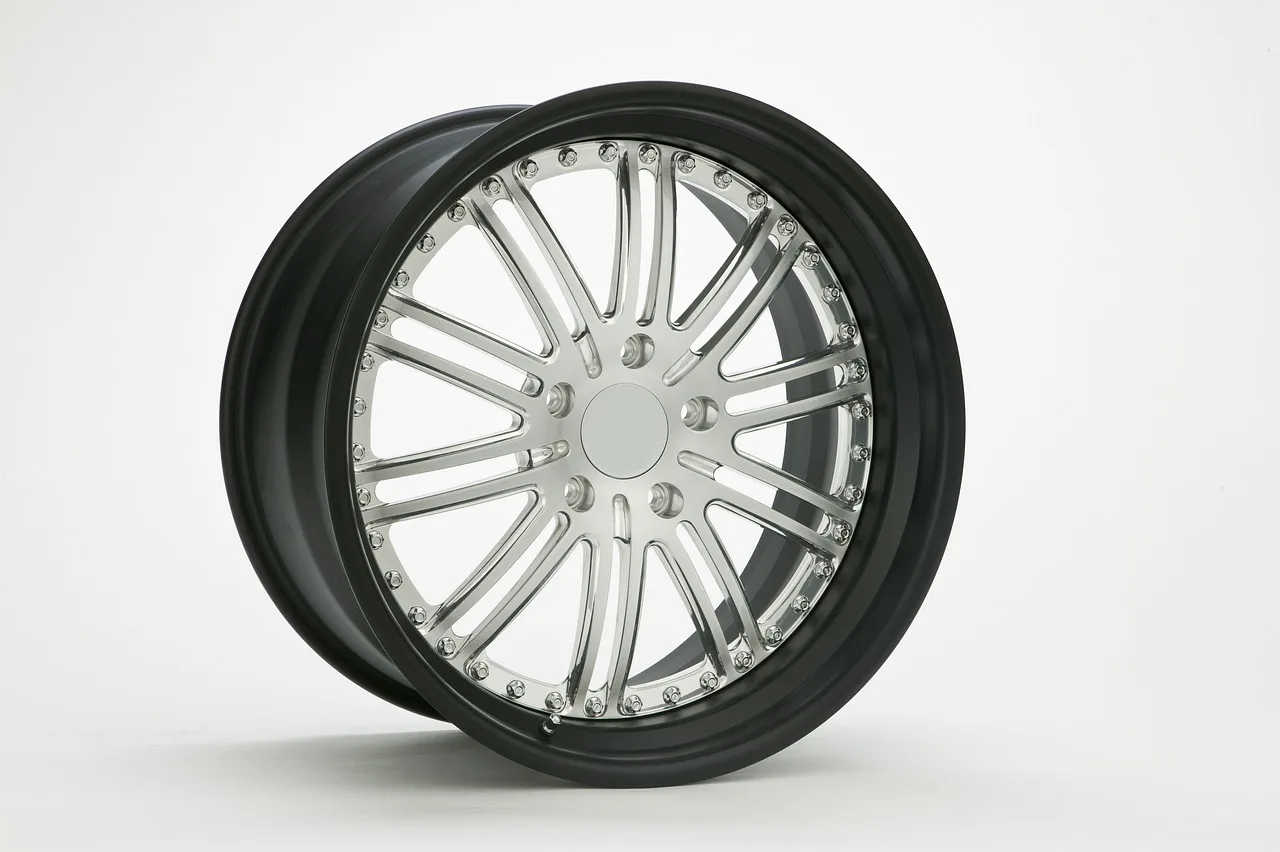
Rim diameter and wheel width are not the same measurement. The rim diameter must match the tire’s last number exactly, such as 17 inches for a 225/45R17. Wheel width, measured in inches, has to fall within the tire maker’s approved range so the beads seat correctly and the sidewall keeps its intended shape.
How wheel width affects bead seating and sidewall shape
A wheel that is too narrow can pinch the tire, making the tread crown more rounded. A wheel that is too wide can stretch the sidewall outward. Both conditions can change steering response, wear patterns, and clearance. Use maker fitment data to confirm the approved wheel-width range.
Passenger-car fitment usually focuses on ride, handling, and speedometer accuracy. SUV and truck fitment needs more attention to load capacity, wheel width, and overall diameter tolerance. Those vehicles often have larger tires and less room for error.
Say your car came with 205/55R16 and you want 225/45R17. The rim grows from 16 to 17 inches, but the overall diameter stays close. If the new wheel width is outside the tire maker’s range, the fit can fail even though the diameter looks right.
Does tire size change diameter?
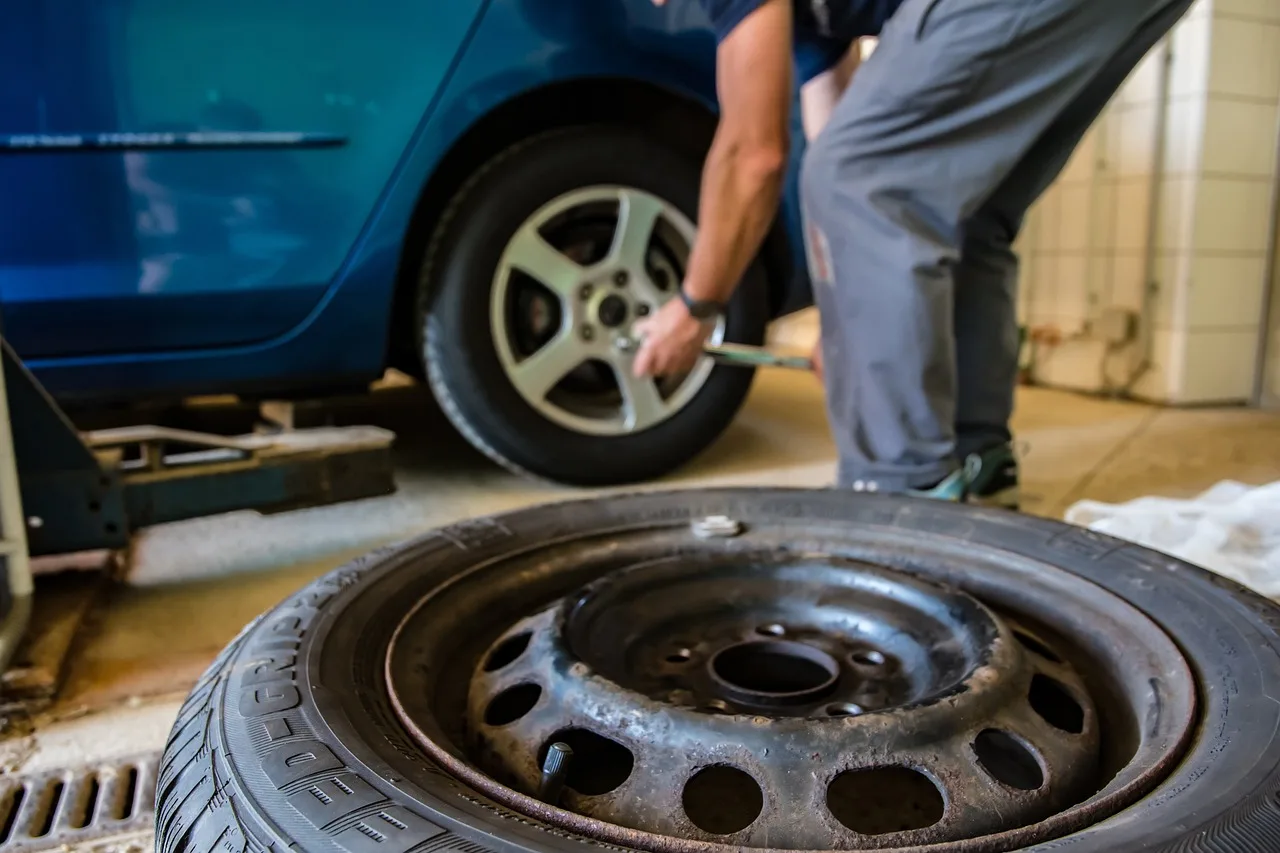
Yes. Tire size changes overall diameter whenever the width or aspect ratio changes, even if the rim diameter stays the same. Overall diameter affects speedometer accuracy, clearance to suspension and bodywork, and sometimes gearing feel. Two tires with the same rim diameter can still be far apart in height.
Why diameter changes affect speedometer and clearance
If the overall diameter is larger than stock, the tire covers more ground per revolution, so the speedometer can read lower than the actual speed. If it is smaller, the speedometer can read higher. A difference of about 3% is a common rule of thumb for staying close to stock, though the exact tolerance can vary by vehicle.
Clearance matters just as much. A taller tire can rub at full lock, under compression, or when the suspension moves. A shorter tire can leave more room but may reduce ride comfort and alter the look and gearing feel.
For example, a driver might swap from 225/45R17 to 225/50R17. The rim still fits, but the overall diameter grows from about 24.98 inches to 25.86 inches, a change of about 3.5%. A change of that size can be enough to affect speedometer error and clearance on some vehicles.
How close is close enough for a replacement?
For many passenger cars, staying within about 3% of the original overall diameter is a practical target. For trucks and SUVs, load capacity, wheel well space, and intended use matter as much as the percentage. Always compare the new size with the factory size, not just with another tire on the same rim.
Can I change tire size and keep the same rim?
Yes, sometimes. You can often change tire size and keep the same rim if the new tire matches the wheel diameter, fits the wheel-width range, and keeps overall diameter close enough to stock. Use the tire maker’s fitment data and your vehicle placard, not guesswork.
Plus sizing is the common method for changing appearance while keeping diameter near stock. That means moving to a larger wheel with a lower-profile tire, such as 225/45R17 to 225/40R18, so the outside diameter stays close. Done well, it preserves speedometer accuracy better than a random size change.
The tradeoffs are real. Larger wheels and lower-profile tires can cost more, ride more firmly, and leave less sidewall to absorb potholes. On some vehicles, the opposite move, to a smaller wheel with a taller sidewall, improves comfort and winter use.
What is the difference between tire width and rim width?
Tire width is the tire’s section width in millimeters. Rim width is the wheel’s inside width in inches. They are related, but they are not the same measurement. The tire must be mounted on a wheel width that the maker approves for that exact size.
Tire size fitment checklist
Use this checklist before buying a replacement size. It turns the chart into a fitment check, not a guess. If any item is uncertain, stop and confirm the size with the vehicle records or a tire professional.
- Check the door placard and owner’s manual for the original size, load index, and speed rating.
- Match the rim diameter exactly.
- Compare the new overall diameter with the stock tire.
- Confirm the wheel width falls within the tire maker’s approved range.
- Check clearance at the fenders, struts, brakes, and suspension at full steering lock and full travel.
- Verify load and speed ratings, especially for SUVs and trucks.
- Ask a tire professional if the new size is not a close factory equivalent.
Common first-timer mistake: choosing a tire because the rim diameter matches, then discovering the tire is too wide for the wheel or too tall for the fender gap. Another common issue is ignoring load and speed ratings on an SUV or truck, where those numbers matter as much as the sidewall code.
Frequently asked questions
How do you read a tire size chart
Start with the sidewall code, such as 225/45R17. The first number is width in millimeters, the second is aspect ratio, the letter shows construction, and the last number is rim diameter in inches. Then compare overall diameter and wheel-width compatibility before choosing a replacement.
What do the numbers on a tire sidewall mean?
The sidewall numbers tell you the tire’s width, profile, and wheel size. Width is in millimeters, aspect ratio is a percentage of width, and rim diameter is in inches. That information helps you match the wheel, estimate sidewall height, and judge whether the new size will fit safely.
What does the rim diameter mean in tire sizing?
Rim diameter is the wheel size in inches, and it must match exactly. A 17-inch tire fits a 17-inch wheel, not a 16- or 18-inch wheel. Even when the rim diameter matches, wheel width and overall diameter still need to be checked.
How do I know if a tire size will fit my wheels?
Check the vehicle placard, the owner’s manual, and the tire maker’s fitment range. The rim diameter must match, and the wheel width must be inside the approved range. Then compare overall diameter and clearance, especially if you drive an SUV or truck.