Why Do Brake Rotors Rust So Fast?
Brake rotors rust fast because cast iron can flash-rust after brief exposure to moisture, and a thin orange layer can often wipe off after a few stops. Deep rust, grooves, or vibration mean service. Ignoring the difference can shorten pad life, hurt braking, and turn a cheap fix into rotor replacement. This article explains why rotors rust so quickly, what normal surface rust looks like, and when corrosion means you need brake work.
The role of cast iron and moisture in surface corrosion
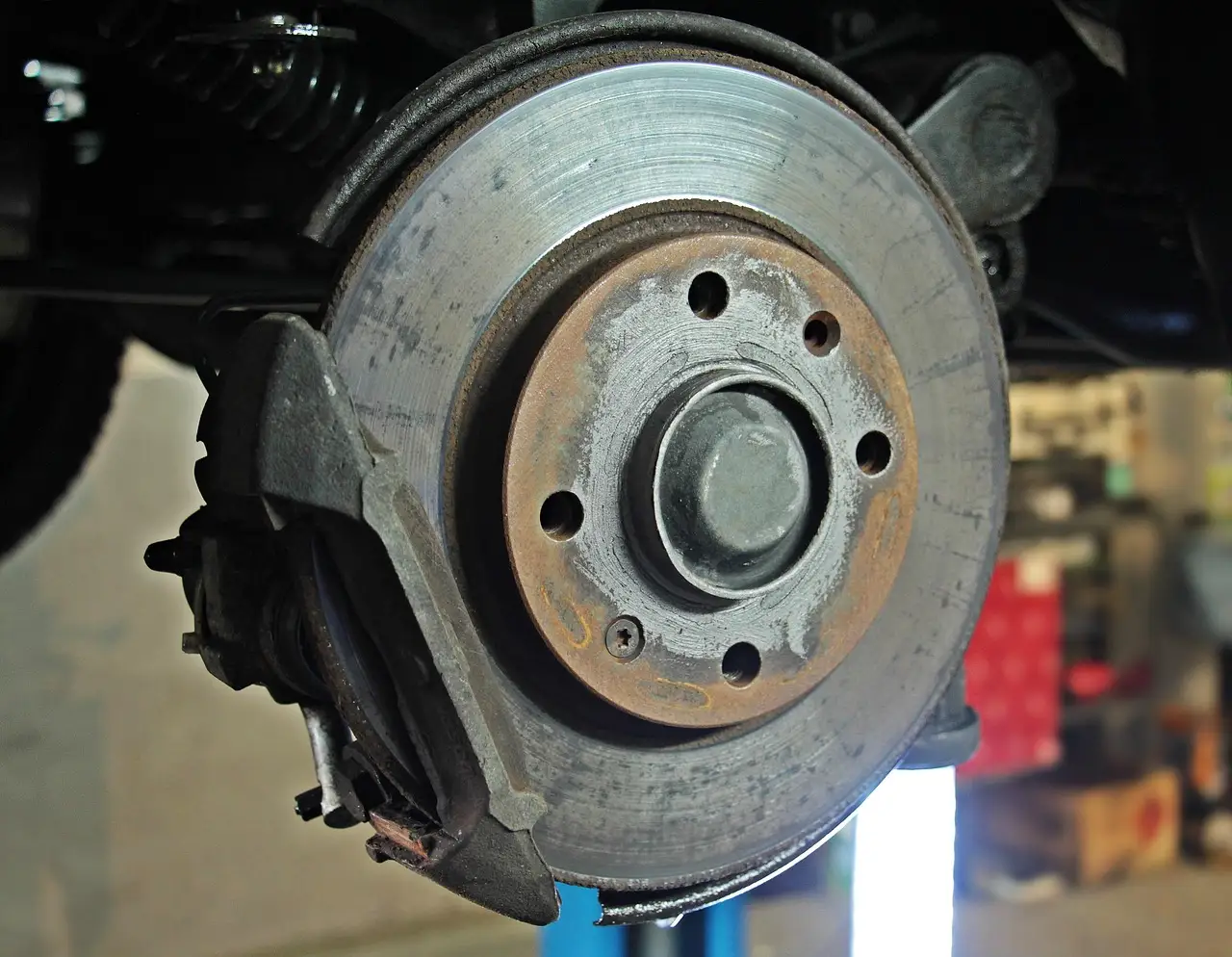
Brake rotors rust fast because many are cast iron, and bare cast iron tends to react with moisture and oxygen quickly. Rain, washing, humidity, and even overnight parking can leave a thin orange-brown film on the friction face, hats, edges, and vent areas. Light brake use often clears that film.
Why cast iron rusts quickly
Cast iron is common OEM rotor material because it handles heat well and is affordable. It is also naturally corrosive without a protective coating. That means a rotor can look rusty after a damp night even if the brake parts are otherwise in good shape.
Why moisture and salt speed it up
Humidity keeps a thin film of water on the iron surface. Road salt makes that film more aggressive, so winter driving and coastal exposure increase corrosion rate. Salt on the rotor face, hat, edge, and vent openings can leave more visible rust than plain rain alone.
Why the rust shows up overnight
Flash rust forms fast because the bare iron surface is exposed every time the car sits. A wet drive home, a car wash, or parking after a humid evening can be enough. Rotors with protective coating may slow rust on the hat and edge, but the friction face is often left bare so the pads can bite cleanly.
What rust on rotors looks like
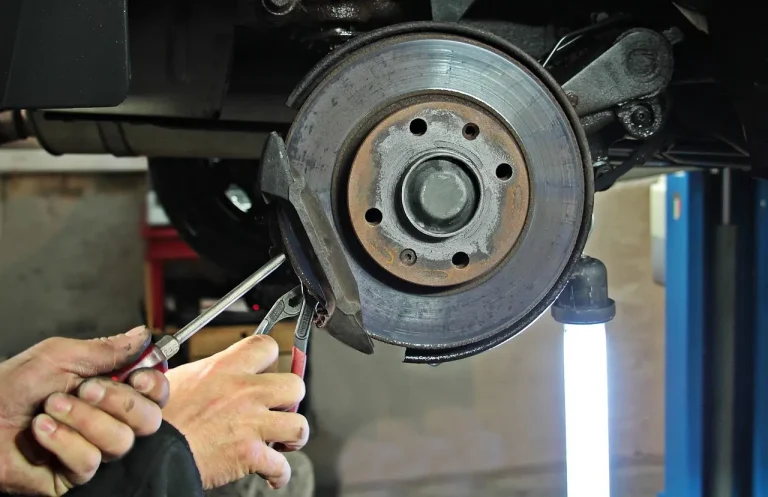
Normal rotor rust is often a thin orange-brown film that sits on top of the metal. It often appears after rain, washing, or humidity and may vanish after a few normal stops. Trouble starts when rust turns into pits, flakes, grooves, or rough edges that the pads may not clean off.
Thin surface rust
Thin surface rust looks dusty or lightly orange, not thick or scaly. It may appear on the friction face after the car sits, then shrink or disappear as the brake pad friction surface wipes the rotor during normal braking. That is common and often harmless.
Rust on hats, edges, and vents
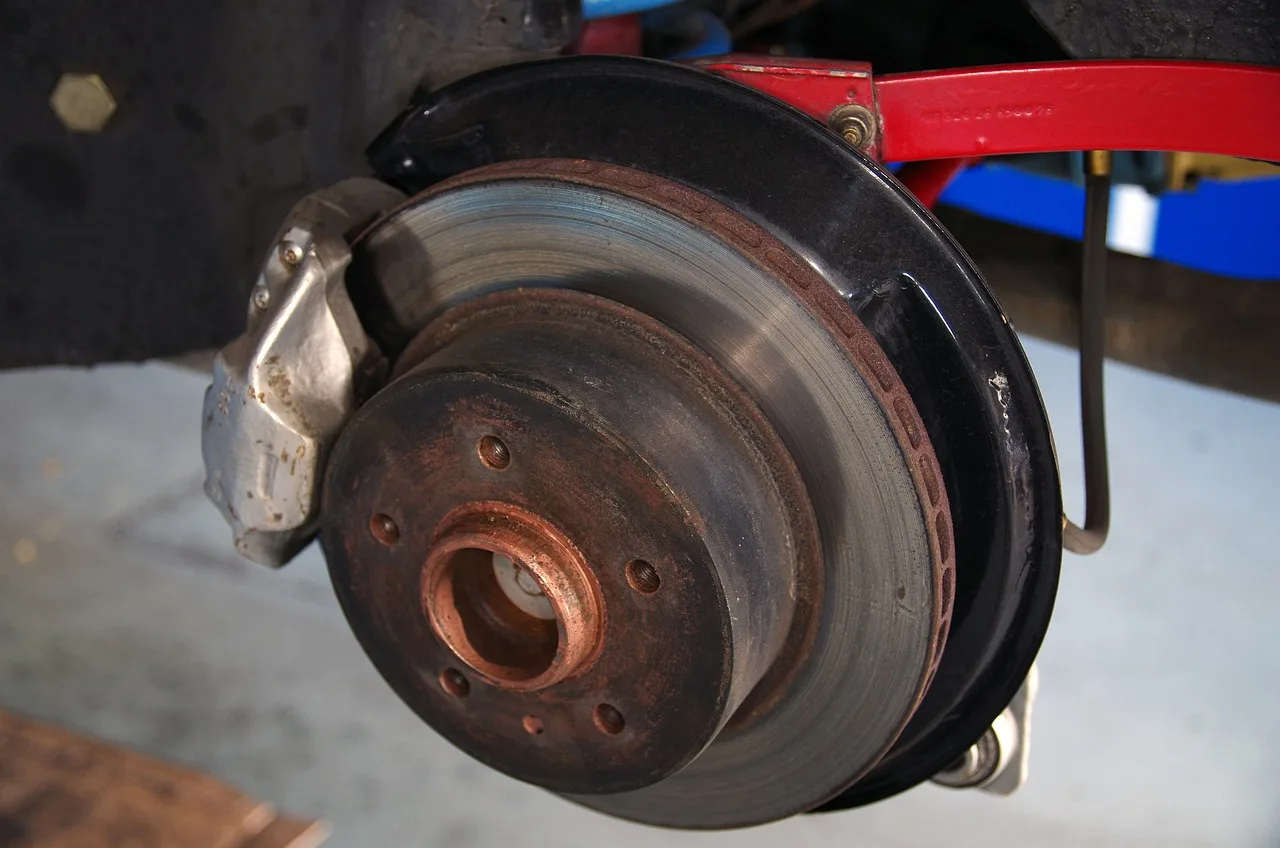
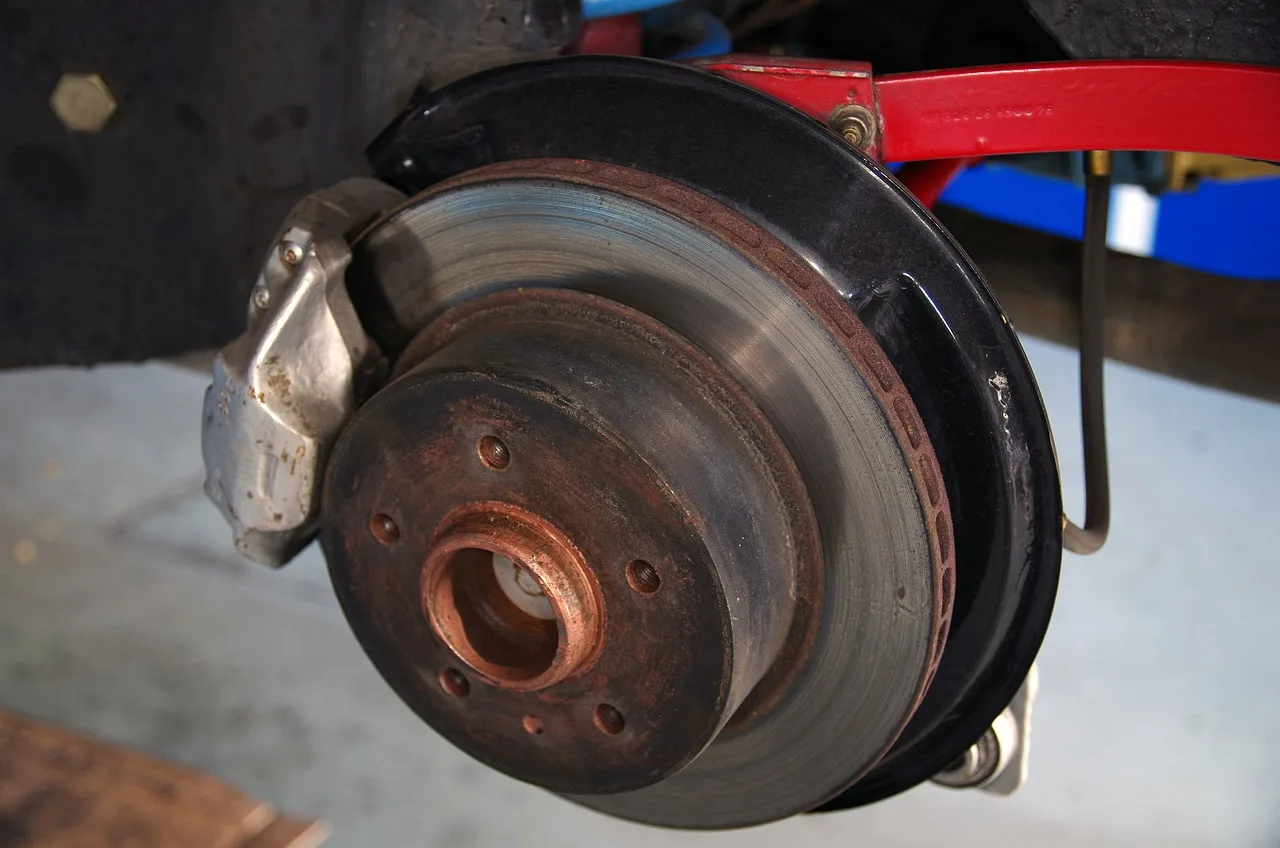
The rotor hat, outer edge, and vent areas rust faster because they are not swept clean by the pads. That is why new rotors can look rusty even when the braking surface still looks nearly clean. Cosmetic rust there is common, especially on coated rotors where only part of the rotor gets a finish.
Pitting and flaking rust
Pitting means the rust has eaten into the iron instead of sitting on top of it. Flaking rust leaves loose material, rough spots, and uneven surfaces. Once corrosion gets deep enough, the rotor can lose usable thickness sooner and may need replacement before the next pad change.
Does driving remove rotor rust?
Yes, normal driving and braking often remove light flash rust from the rotor face. A few gentle stops usually wipe the rust from the brake pad friction surface and restore normal contact. Short trips and long parking periods, though, let rust build faster than regular use clears it.
How normal braking wipes off flash rust
When the pads clamp the rotor, the friction surface scrapes off the thin oxide layer. That is why a rusty rotor can look rough in the morning and cleaner after a mile or two. If the surface rust is light, the car often returns to normal without any repair.
Why short trips leave more rust behind
Short trips may not give the brakes enough time or heat to clear the surface fully. If the car is driven only a few blocks at a time, moisture can stay on the rotors and the rust cycle repeats. Low-mileage cars often show this pattern, especially in humid areas.
Why long parking makes it worse
Extended parking slows the driving and braking cycle that normally cleans the rotor face. The longer a car sits, the more time moisture has to work on bare iron. A common first-timer mistake is assuming the rust means a bad rotor when the real issue is simply long idle time after a wet week.
Rust on rotors normal or bad?
Light surface rust is normal on cast-iron rotors, especially after rain, washing, humidity, or parking overnight. It becomes a problem when the rust is deep, the rotor is below minimum thickness, or the brakes make noise, pulse, or feel uneven. That is the line that matters.
When surface rust is harmless
Harmless rust is thin, even, and mostly orange-brown. It brushes off with normal braking and does not leave heavy scoring, vibration, or braking noise. If the car stops smoothly and the rotor face cleans up after a few stops, the rust is usually cosmetic.
When rust affects thickness
Deep corrosion can remove metal and push the rotor toward its wear limit sooner. Most rotors have a minimum thickness stamped on the rotor or listed by the maker. If pitting is deep enough to reduce thickness near that limit, cleaning is no longer enough and replacement may be needed.
When noise or vibration points to trouble
Squeal, grinding, steering wheel shake, or a pulsing brake pedal can point to more than surface rust. Uneven pad deposits, seized slide pins, or a warped rotor feel can mimic rust damage. Those symptoms call for inspection, because the fix may involve pads, hardware, calipers, or rotor replacement.
Rust on rotors checklist
Use this checklist when you want a quick answer. A few yes answers point toward normal surface rust. More than one no answer, especially for braking feel or rotor condition, means the brakes need a closer look.
| Check | Yes | No | What it suggests |
|---|---|---|---|
| Rust is thin orange-brown film only | Normal | Go on | Likely cosmetic surface rust |
| Rust wipes off after a few stops | Normal | Go on | Light flash rust only |
| Rust is rough, pitted, or flaking | Inspect now | Go on | Possible rotor damage |
| There is noise, vibration, or pedal pulse | Inspect now | Go on | Could be rust, pad transfer, or hardware trouble |
| The car sat through rain, humidity, or salt exposure | Monitor | Go on | Expect flash rust, but watch for recurrence |
| Braking feels smooth and consistent | Normal | Inspect now | No clear sign of rotor trouble |
Outcomes: normal, monitor, inspect now.
You cannot stop cast-iron rotors from rusting completely, but you can slow cosmetic corrosion. Parking habits, wash habits, and where you drive matter more than most owners expect. The goal is to keep rust thin, even, and easy for the pads to clear.
Parking and washing habits
After washing the car, drive far enough to dry the brakes with a few light stops. Avoid parking for long stretches with wet rotors if you can help it. If the car sits for days, expect more flash rust and more noise on the first stop.
Salt-belt and coastal driving
Drivers in winter-salt regions or coastal areas should expect faster corrosion. Rinse road salt off the wheels and underbody when conditions allow, but do not expect a wash to leave the rotors spotless for long. Salt exposure often leaves the hat and edge looking worse than the friction face.
Coated rotors and finish limits
Rotors with protective coating can slow rust on the hat and edge, but the braking surface is usually left bare so the pads can work correctly. That means a coated rotor can still flash-rust on the face. Coating helps appearance and corrosion resistance, not true rust-proofing.
Say your compact sedan sits outside in a damp driveway for three nights after a rainstorm. The front rotors may look orange in the morning, but if the car stops smoothly and the rust fades after a few blocks, that is normal flash rust, not a brake failure.
What else to inspect
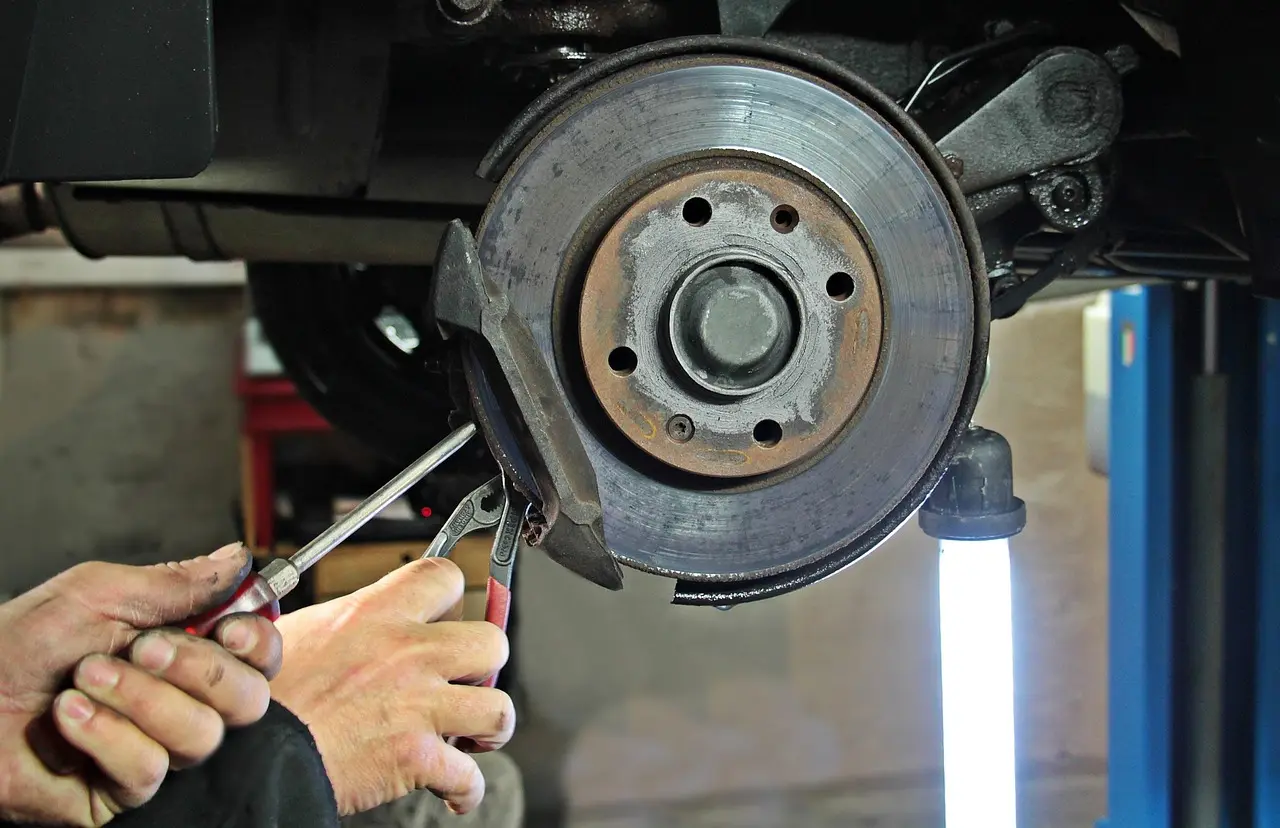
If rust is heavy or the brakes feel off, inspect more than the rotor face. Calipers, slide pins, pads, and pad deposits can create symptoms that look like rotor rust. A proper check needs the whole brake corner, not just a quick look through the wheel spokes.
Pads and pad transfer
The brake pad friction surface should stay clean enough to remove light rust, not covered in contamination or heavy scoring. Uneven pad transfer layer deposits can make the rotor feel rough or pulse under braking. That can mimic rust damage, but the fix may be pad service rather than rotor replacement.
Calipers and slide pins
Sticky calipers or seized slide pins can hold a pad against the rotor unevenly. That creates hot spots, uneven wear, and noise. If one side rusts or wears differently from the others, the hardware may be the real problem.
Rotor face, edges, and minimum thickness
Check the rotor face, the outer edge, and the vent area for deep corrosion. Then verify thickness against the minimum spec. If a rotor is near the wear limit, deep rust pitting can make replacement necessary sooner even if the car still brakes.
Suppose a midsize SUV driven through winter salt starts to shake only during light braking from 35 mph. If the rotor face also shows uneven dark patches and the pads have uneven wear, the issue may be pad transfer or a sticking slide pin, not simple surface rust.
Frequently asked questions
What causes rust on brake rotors?
Rust on brake rotors comes from moisture and oxygen reacting with bare cast iron. Rain, washing, humidity, and road salt speed it up. Because the friction face is often uncoated, even a short park time can leave a thin orange film that normal braking may remove.
Why are my brake rotors rusty?
Your rotors are probably rusty because the car sat long enough for moisture to work on the iron. That is common after overnight parking, especially in damp weather or after winter driving. If the rust is thin and braking feels normal, it is usually surface oxidation.
Is rust on brake rotors normal?
Yes, light rust on brake rotors is normal on cast-iron parts. Most rotors flash-rust after moisture exposure, then the pads scrape it off during driving. It becomes a concern when the rust is pitted, flaking, noisy, or paired with vibration or poor braking feel.
How do you remove rust off brake rotors?
Light surface rust often comes off with normal braking, so the simplest fix is a few gentle stops. If rust is heavy, do not rely on driving alone. The brakes need inspection for thickness, pad condition, caliper movement, and whether the rotor surface has pitting or scoring.
Why are my new rotors rusting?
New rotors often rust on the hats, edges, and vent areas because those sections are still bare iron or only lightly coated. Even the friction face can flash-rust after moisture exposure. That does not mean the rotor failed; it usually means the finish is protecting appearance more than the braking surface.
Is rust on rotors bad?
Rust on rotors is not automatically bad. Thin surface oxidation is common and often harmless. It turns into a problem when corrosion is deep enough to reduce thickness, cause roughness, or create noise, shake, or uneven braking. Those signs call for a brake system inspection.