Why Do My Brakes Make Noise When Reversing?
If the noise only happens while rolling backward on the first stop of the day, thin rust on the rotor surface is the most likely cause; if it changes when you press the pedal, suspect pads, hardware, or a sticking caliper. Ignored brake noise can turn a low-cost pad or hardware fix into rotor damage or a seized rear brake. This guide shows how to separate normal reverse squeal from rear-brake and suspension faults by sound, timing, and whether it comes from one wheel or both.
Why reverse brake noise happens
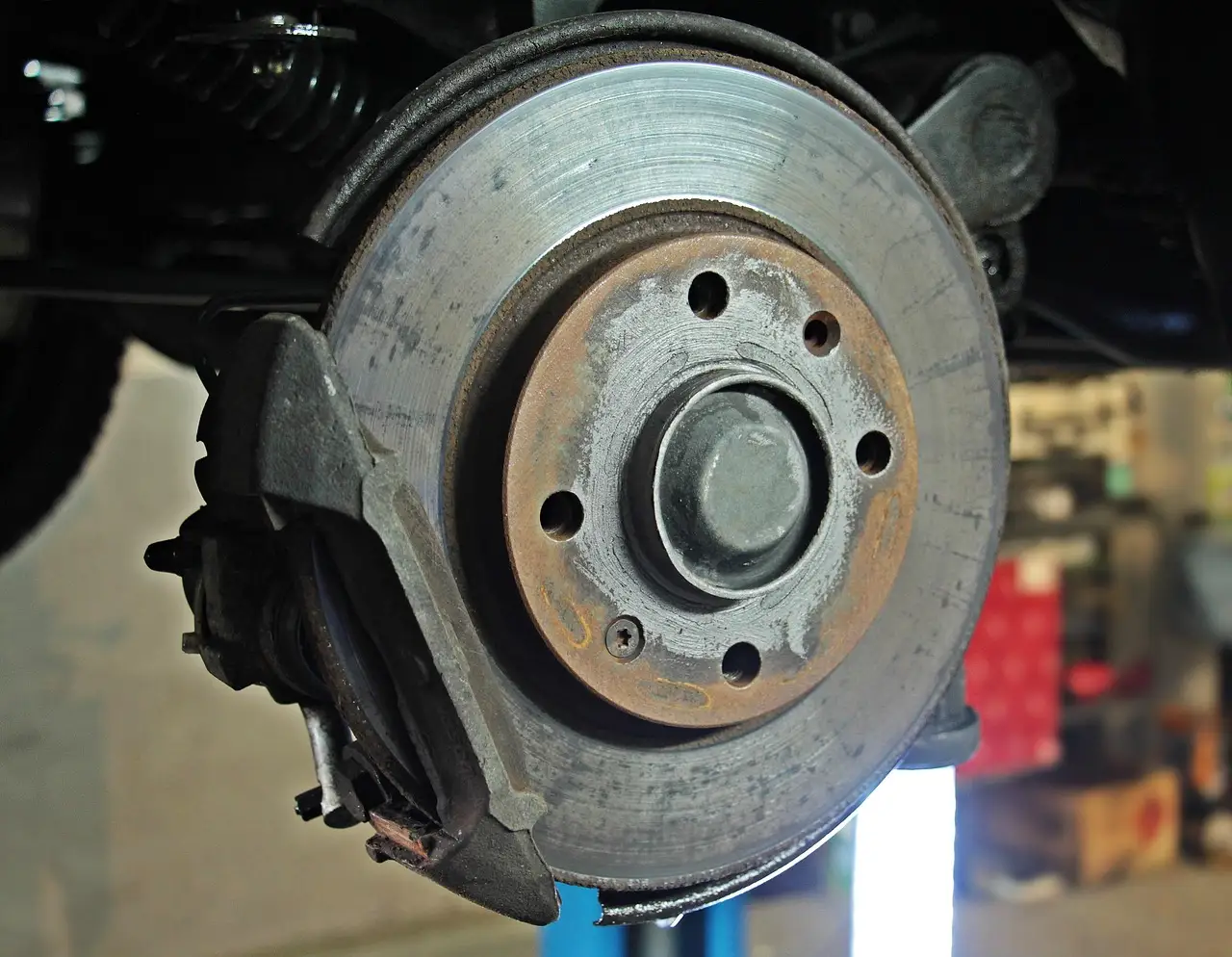
Reverse changes the direction of rotor and pad contact, so a small issue can sound louder or sharper than it does going forward. That matters most at the rear, where parking brake parts, pad hardware, and backing plate clearance are more likely to be involved. Slow backing also makes normal sounds easier to hear.
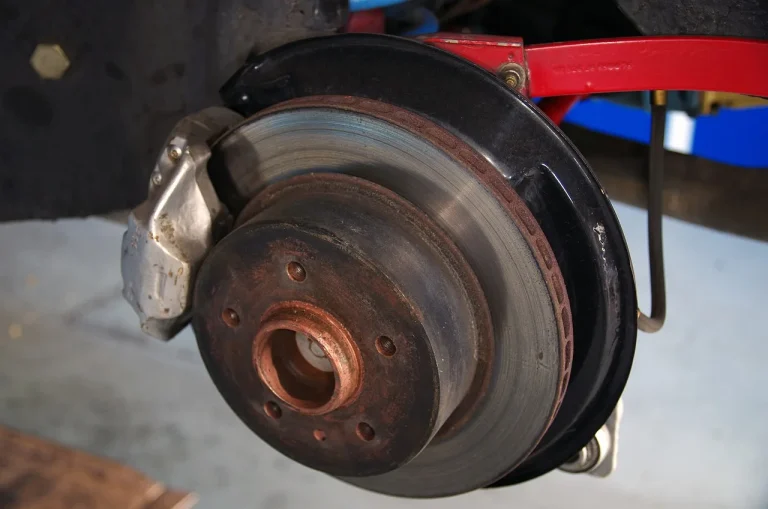
On a cold or wet morning, a thin rust layer can form on rotors after the car sits overnight. Moisture can build up between brake pads and rotors after wet conditions or condensation, and surface rust from moisture may resolve after a few uses of the brakes. That is the most common normal explanation.
Why backing up changes what you hear
When you back up slowly, even normal sounds can become more noticeable. The brake pads may contact the rotor on a different edge, a wear indicator can start to touch, and dry hardware can chatter under a light load. Reverse also shifts weight and load direction at the rear axle.
Why rear brakes and parking brakes are common sources
Reverse brake noise often starts at the rear because the parking brake lives there on many vehicles. Rear pad hardware, slide pins, and clips can also make noise if they are dry or installed incorrectly. A backing plate that bends slightly can rub the rotor and sound louder in reverse than in forward travel.
When normal rust noise is likely
If the sound is a brief squeak or light scrape only on the first few stops after rain, overnight parking, or washing, rust can be a strong suspect. The noise should fade after a few brake applications. If it stays the same after several stops, it can be treated as a fault rather than weather-related noise.
Reverse brake noise decision table
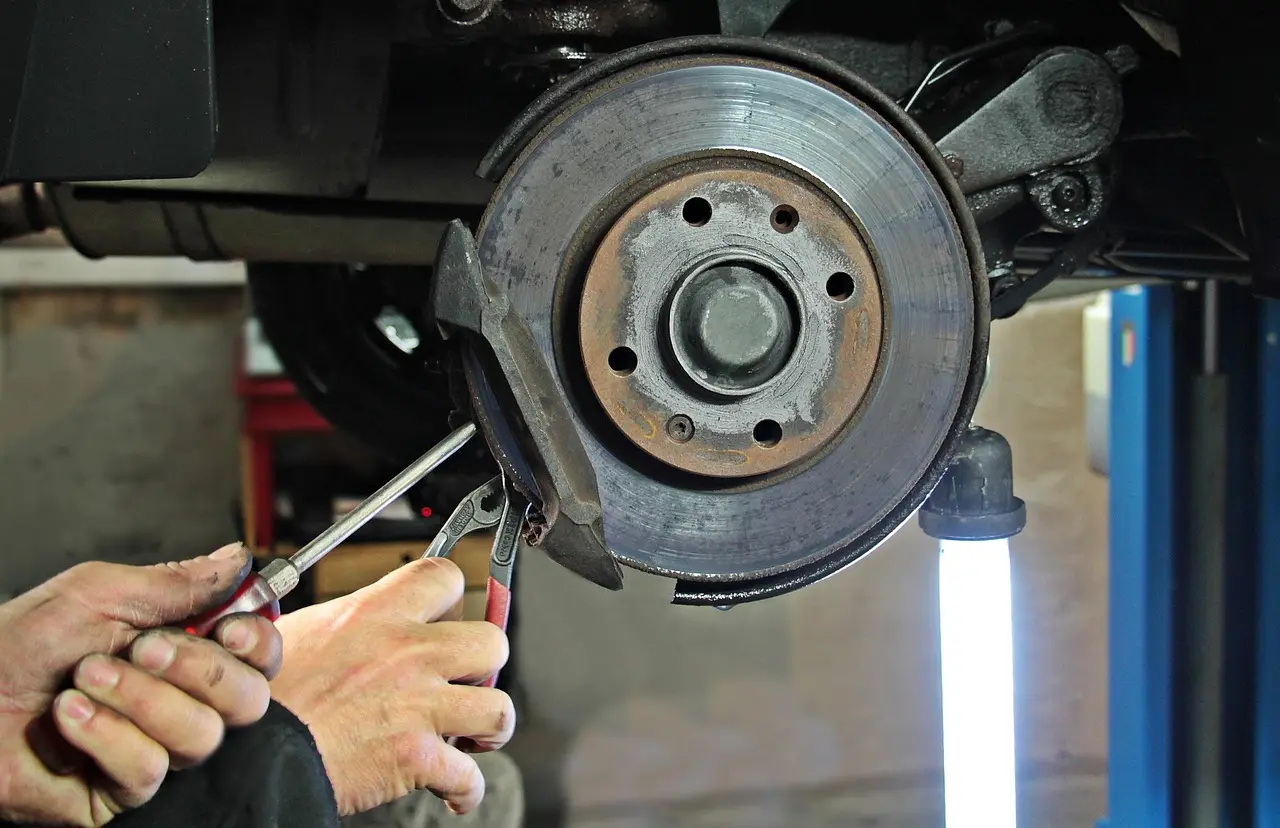
Use sound, timing, and wheel location first. That separates temporary rotor rust from pad wear, hardware problems, parking brake drag, and non-brake issues faster than guessing from the noise alone.
| Sound type | When it happens | Likely cause | Urgency | First check |
|---|---|---|---|---|
| Squeak | Only on the first reverse stop after rain or overnight parking | Thin rust on the rotor surface | Low if it fades after a few stops | Make 3 to 5 gentle brake applications and listen for improvement |
| Squeak | Only while braking in reverse, dry weather, rear wheel area | Wear indicator touching a thin pad | Medium; service soon | Check pad thickness through the wheel if visible |
| Chirp | One rear wheel, low-speed backing only | Dry hardware, clip contact, or glazing | Medium | Note whether the sound changes with light versus firm pedal pressure |
| Chirp | Only when backing and turning | Suspension bushing movement or backing plate rub | Medium | Listen for whether the sound moves with steering angle |
| Scrape | First pedal push in reverse | Pads with wear sensors contacting the rotor | High | Inspect pad thickness and look for uneven wear |
| Scrape | Any time the pedal is pressed in reverse | Backing plate contact, debris, or pad base starting to touch | High | Check the rear wheel area for a bent shield or trapped stone |
| Grind | While braking forward or reverse | Pads worn through; pad base grinding the rotor | Immediate inspection | Stop driving and inspect for missing pad material or heavy scoring |
| Grind | Rear-only, worse with pedal pressure | Metal-on-metal contact or severe pad wear | Immediate inspection | Look for rotor grooves, heat spots, or brake dust that looks metallic |
| Clunk | When shifting into reverse or first applying the brakes | Loose hardware, worn caliper hardware, or suspension movement | Medium to high | See whether the sound happens before the car moves or only as load shifts |
| Humming | Rolling backward without braking | Wheel bearing or hub issue | Medium; prompt inspection | Listen for a change when turning left versus right |
| Humming | Speed rises as the car rolls in reverse | Wheel bearing or hub, less often tire noise | Medium; prompt inspection | Confirm whether the sound stays even with no brake pedal input |
| No brake noise, only a creak | Backing out of a space, especially while turning | Suspension bushings under reverse load | Medium | Note whether the sound comes from the body or wheel corner, not the rotor area |
What the table means in practice
Sound type matters most. Squeak and chirp usually point to pad wear, light rust, or dry hardware. Scrape and grind are different; they point to contact that should be checked now. Humming without brake pedal input is less brake-like and more often points to a bearing or hub.
Say your right rear wheel squeaks only when you back out of the driveway on wet mornings, then goes quiet after two or three stops. That pattern fits moisture and light rust far better than a failing bearing. If the same squeak becomes a scrape after a week, the diagnosis changes.
Is it normal only when cold or wet?
Yes, brief noise after rain, washing, or an overnight sit can be normal. Moisture can build up between brake pads and rotors, and a thin rust layer on rotors can form after the car sits overnight. The key is whether the sound fades after a few brake applications.
How long temporary noise usually lasts
Temporary rust noise should improve after a few uses of the brakes. A common check is about 3 to 5 gentle brake applications in a safe area. If the squeal fades quickly, weather is the likely cause. If it stays loud after that, look for pad wear, hardware drag, or backing plate rub.
When weather-related noise stops being normal
Weather noise is less likely when the sound is constant, when it happens in dry weather too, or when it changes from squeak to scrape. Surface rust is a short-lived explanation. Persistent reverse noise needs a closer look at the rear brakes, not just the weather.
Why does it happen only while braking in reverse?
Noise that appears only when you press the pedal in reverse usually points to pad contact, a wear indicator, or a rear brake hardware issue. Reverse changes the load path, so a thin pad or dry clip can become noisy there first even if forward braking seems quiet.
Brake pads and wear indicators
Brake pads can make noise first in reverse because the contact edge changes and a metal wear indicator may touch differently. A brake wear indicator is a small piece of metal that can cause the noise. Pads with wear sensors can create a scraping sound as the brakes are first applied.
Thin pads can create squeal or scraping, and if pads wear fully through, the pad base can grind the rotors. That is why reverse-only noise should not be dismissed if the sound is more than a brief squeak.
Rotors and pad contact patterns
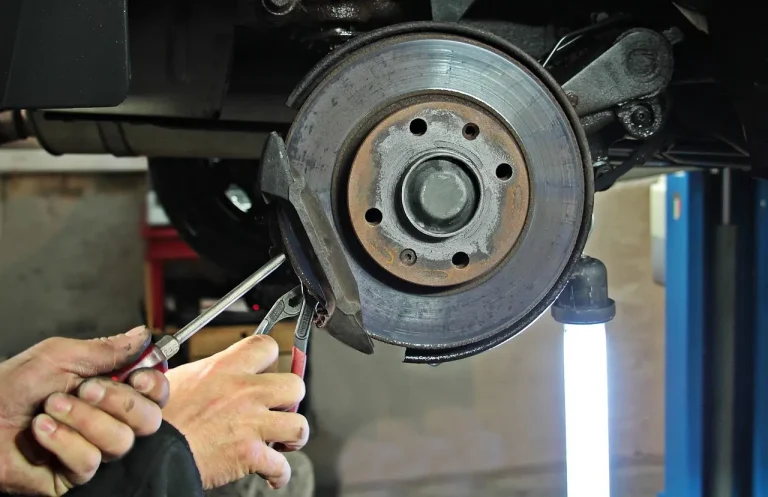
Brake rotors are the contact surface for the pads. Light rust can squeak while the pads clean the rotor surface, but heavy scoring points to metal-to-metal contact. If the sound is worse on the first reverse stop and then drops off, the rotor may simply be cleaning surface rust.
Brake hardware, shims, slide pins, and clips
Brake hardware includes shims, slide pins, clips, and lubrication points. Dry parts or incorrect installation can make a reverse squeak or chirp that appears only under light pedal force. Some brake pads rattle as they heat up and cool off, which can add a click or clatter after a drive.
A common first-timer mistake is replacing pads but leaving the hardware dry or reusing bent clips. The noise starts right away, and the reverse stop is often where it shows up first.
Could it be the parking brake or backing plate?
Yes. Both are rear-brake-specific clues, and both can show up in reverse before they are obvious going forward. Parking brake drag, a backing plate that rubs the rotor, or a shield that is bent too close to the disc can all make a rear noise without much forward warning.
Parking brake drag or poor release
If the parking brake does not fully release, the rear brakes can drag and squeal or scrape in reverse. That is more likely if the noise is rear-only, if the car feels sluggish, or if one rear wheel seems hotter after driving. Drag that persists needs immediate inspection.
Backing plate rub on the rotor
A backing plate can bend and rub the rotor, often in the rear wheel area. This can make noise even without braking, and the sound may change when the car moves backward because the rotor moves against the shield differently. A small bend can produce a steady scrape or rhythmic tick.
Why rear-only noise points here first
If the sound comes from one rear corner, the first suspects are the rear pads, parking brake, hardware, or backing plate. Front brake parts are less likely to explain a reverse squeal that is only heard at the rear. That location clue saves time and keeps the diagnosis focused.
What if the noise started after new brakes?
Noise after a brake job is often about bedding-in, dry hardware, or a part that was installed too tightly or too loosely. A brief squeal can be normal early on. A scrape, clunk, or noise that gets worse instead of better needs a recheck.
Normal bedding-in versus incorrect installation
New pads can be noisy at first while they seat against the rotor. That should improve, not worsen. If the sound began right after replacement and stays focused in reverse, the installer should look at pad fit, clip placement, and whether the rotor surface is clean and even.
Debris, dry hardware, or missing lubricant points
A stone or foreign object can get caught between pads and rotors, and brake dust or grit can make an intermittent squeak. Dry hardware can do the same. If the noise started after service, the problem may be simple cleanup rather than a failed part.
When post-repair squeal needs a recheck
If the noise is loud, repeated, or becomes a scrape on the first pedal application, it needs a recheck. The same applies if one rear wheel is noisier than the other or if the sound changes with steering angle. That pattern suggests a hardware or backing plate issue, not normal bedding-in.
When the noise is not the brakes
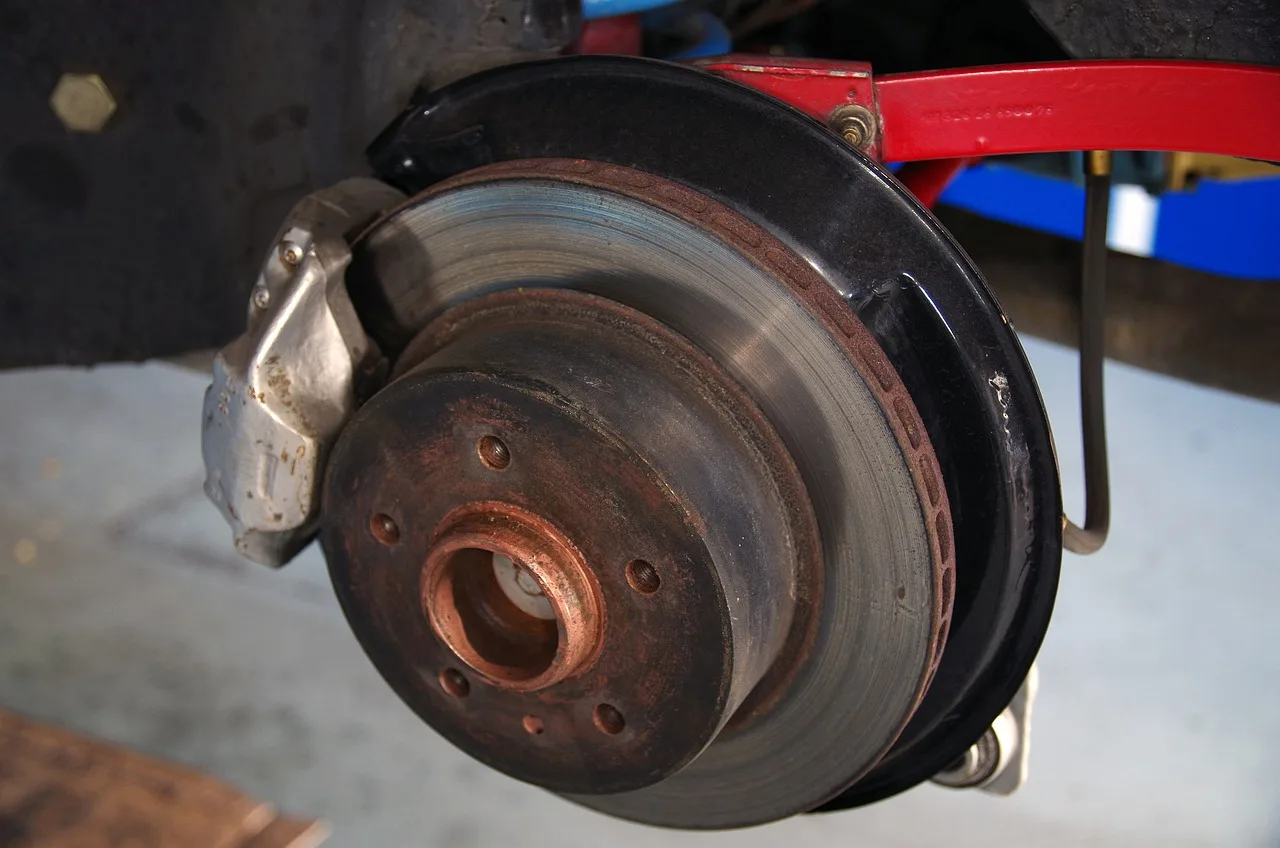
Not every reverse noise from the wheel area is a brake problem. Wheel bearing or hub issues can start as humming, and suspension bushings can creak or squeak under reverse load. Those sounds usually change with steering angle or vehicle movement rather than with brake pedal pressure.
Wheel bearing or hub sounds
A wheel bearing or hub issue is less common than pad or hardware noise. It usually sounds more like a hum, growl, or steady drone that follows wheel speed. If the noise appears while coasting backward and does not change much with brake pedal input, look here next.
Suspension bushing creaks under reverse load
Suspension bushings can creak or squeak when the car loads up in reverse, especially while turning. That sound is usually less metallic than a brake squeal and may come from the body side rather than the rotor area. It often changes more with steering input than with braking force.
How to tell these apart from brake noise
Use three checks: pedal input, wheel location, and turn-in effect. If the sound appears only when you press the brake, think brakes. If it stays even with no pedal, think bearing or hub. If it changes most during a turn, think suspension or backing plate contact.
- Listen with the car cold, then again after a few stops.
- Note whether the sound happens while braking or while coasting backward.
- Pinpoint the wheel: front, rear, left, or right.
- Check whether turning changes the sound.
- Look through the wheel for pad thickness, heavy rust, or obvious debris.
Frequently asked questions
Why do my brakes make noise when reversing?
Reverse can expose light rust, thin pads, dry hardware, or a backing plate rub that stays quiet going forward. If the sound appears only on the first reverse stop and then fades after a few brake applications, thin rust on the rotor surface is likely. If it persists, inspect the rear brakes.
Why do my brakes make noise only when backing up?
Only-back-up noise usually means the reverse direction is changing how the pad touches the rotor or how the parking brake hardware sits. Rear-only problems are common here. The biggest split is whether the noise happens while braking or while simply rolling backward without the pedal.
Why do my brakes squeal in reverse?
A reverse squeal usually points to worn pads, light rust, dry hardware, or a wear indicator touching the rotor. If it is brief and tied to damp weather or an overnight sit, it may clear after a few stops. If it stays loud in dry weather, inspect the rear pads.
What does a grinding noise in reverse mean?
Grinding is a warning sign. It can mean the pads are worn fully through and the pad base is grinding the rotor, or that a foreign object is trapped between the pad and rotor. Scraping or grinding noises should be treated as an immediate inspection issue.
How do I tell if the noise is brakes, backing plate, or suspension?
Press the pedal, then let the car roll without braking. If the noise follows the pedal, think brakes. If it continues with no pedal, think backing plate or bearing. If it changes most while turning or loading the suspension, a bushing is more likely than a pad issue.
When is reverse brake noise dangerous?
It becomes dangerous when the sound is grinding, scraping, or tied to a stuck parking brake. Those symptoms can mean metal-on-metal contact or a brake that is dragging. If one wheel is much hotter, the sound gets louder, or the car feels slow to roll, get it inspected now.