How Much Does a Full Brake Job Cost?
A full brake job can run about $300 to $1,200 per axle, depending on whether the quote is pads only, pads and rotors, or includes calipers and brake-fluid service. Many passenger cars are often quoted around $500 to $900 when pads, rotors, and labor are included. Those are typical estimates, not fixed prices, and the final bill can rise with rotor wear, seized calipers, electronic parking brake service, and local labor rates. OEM service information and brake-manufacturer guidance also matter here: rotors must stay above minimum thickness, and rear electronic parking brake procedures often require scan-tool retract/reset steps before service.
Cost ladder by axle and scope
This quick ladder shows how brake quotes usually rise as more components are added. It is a typical estimate range, not an absolute price, and dealer pricing is commonly higher than independent-shop pricing because labor rates and parts pricing usually differ (AAA labor-rate surveys; repair-cost references such as RepairPal and Kelley Blue Book).
| Service scope | Front axle typical total | Rear axle typical total | Four-wheel typical total | Typical dealer vs independent delta |
|---|---|---|---|---|
| Pads only | $150–$300 | $150–$325 | $300–$625 | Dealer often 15%–35% higher |
| Pads and rotors | $300–$550 | $325–$600 | $625–$1,150 | Dealer often 20%–40% higher |
| Pads and rotors and calipers | $500–$800 | $525–$850 | $1,000–$1,650 | Dealer often 20%–45% higher |
| Full-system repair | $650–$1,000+ | $700–$1,100+ | $1,300–$2,100+ | Dealer often 25%–50% higher |
What a full brake job includes
“Full brake job” does not mean one fixed parts list. In many quotes, it means pads only, pads and rotors, pads and rotors with calipers, or a larger repair that also includes hardware, fluid, and electronic parking brake service.
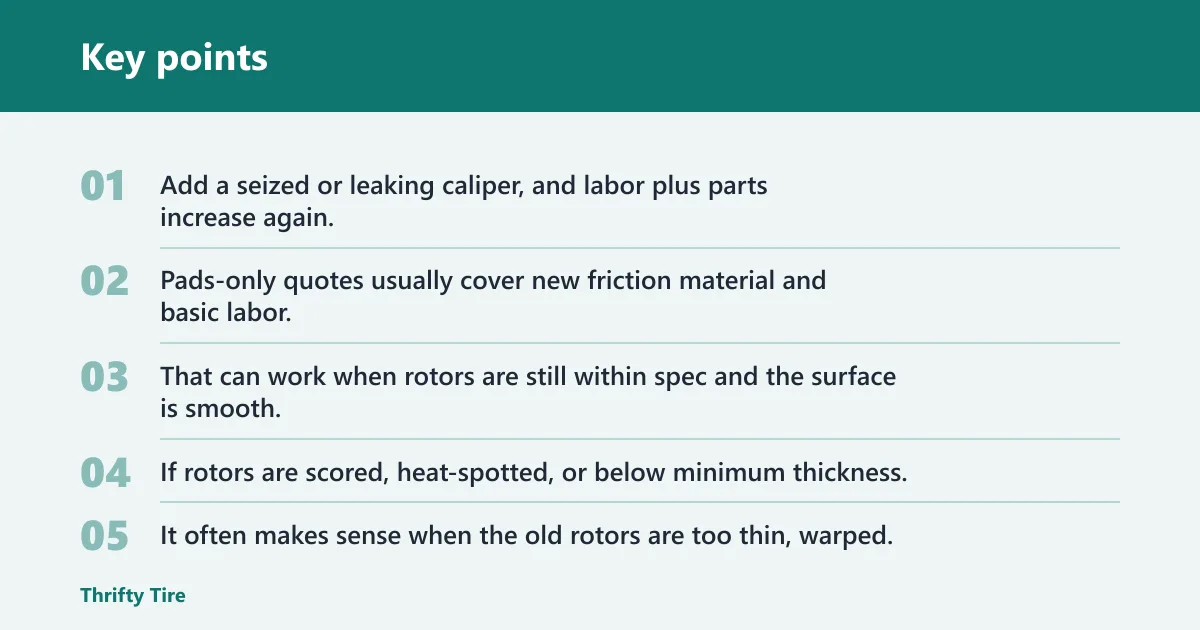
That scope changes the bill. Pads alone are the lightest repair. Add rotors and the quote rises. Add a seized or leaking caliper, and labor plus parts increase again.
Pads only vs pads and rotors
Pads-only quotes usually cover new friction material and basic labor. That can work when rotors are still within spec and the surface is smooth. If rotors are scored, heat-spotted, or below minimum thickness, a pads-only quote can leave the job half done.
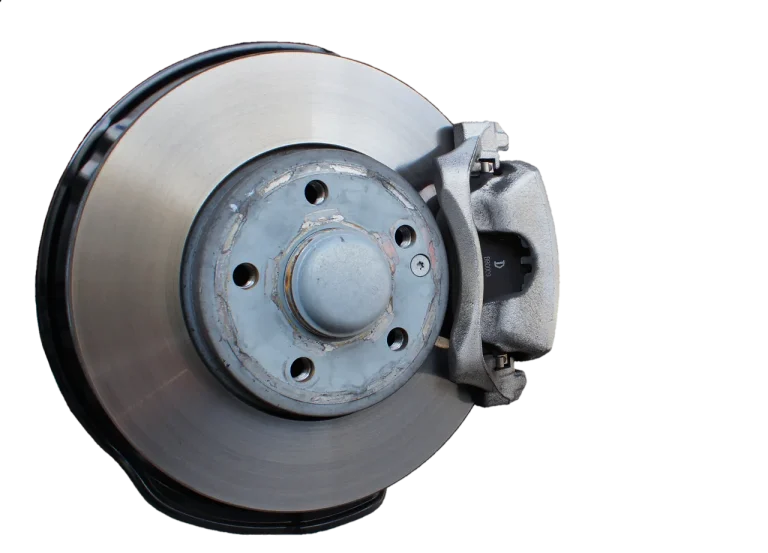
Pads plus rotors is the common step up. It often makes sense when the old rotors are too thin, warped, or uneven enough that new pads would wear poorly. Rotors may sometimes be resurfaced, but only if the remaining thickness stays above the manufacturer minimum. OEM service manuals and brake manufacturers treat minimum thickness as the deciding spec, not visual condition alone.
When calipers enter the quote
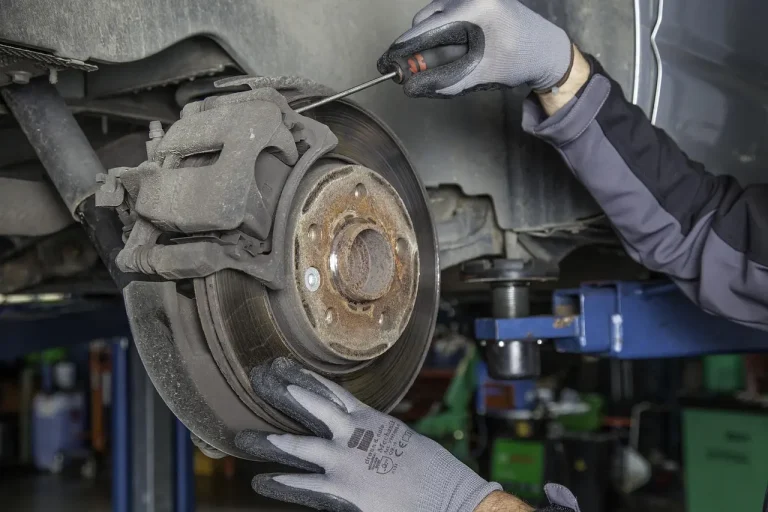
Calipers enter the quote when a piston sticks, a slide pin binds, or the unit leaks brake fluid. That turns routine brake service into a much larger repair because the shop may need to replace one caliper per corner and bleed the system afterward.
Calipers are not a default replacement part. They become a cost driver when one side drags, the pad wears unevenly, or the brake pedal feels inconsistent after the rest of the system checks out.
What full-system repair usually means
Full-system repair is the broadest version. It can include pads, rotors, calipers, hardware, brake fluid flush, and electronic parking brake reset work. On rear brakes with an EPB, the scan-tool retract and reset step can add labor even when the hardware looks ordinary. OEM service procedures commonly call for that scan-tool parking-brake service before rear pad or caliper replacement.
That is why a “full” quote should always be itemized. Without a line-by-line estimate, you cannot tell whether the shop is pricing a simple axle service or a repair that includes deeper failure cases.
How much does a full brake job cost?
A full brake job usually falls into tiers, not one fixed price. Pads only commonly run $150–$300 per axle, pads plus rotors commonly run $300–$550 per axle, and pads plus rotors plus calipers can reach $500–$800 per axle. Luxury and European vehicles usually sit higher than domestic or Japanese vehicles. These are typical estimates drawn from common labor-rate and brake-service pricing references, so the quote should be read as a range, not a promise.
Typical pads-only pricing
Pads-only pricing is the lowest bracket because it replaces the wear item most people think of first. If the rotors are still healthy and the calipers move freely, that can be enough. But the quote should still show labor, pad material type, and any hardware included.
Typical pads and rotors pricing
Pads and rotors is the most common “full brake job” wording on passenger cars. It covers the friction material and the disc surface that the pads clamp against. For many drivers, this is the point where the quote starts to reflect the real condition of the braking system.
Typical pads, rotors, and calipers pricing
Once calipers enter the estimate, the job usually moves into repair territory rather than routine service. A seized or leaking caliper can force extra labor, brake bleeding, and per-corner parts replacement. That is the tier where a quote can jump quickly even on one axle.
Brake quote decoder table
| Service scope | Typical parts included | Common add-ons that change cost | What should trigger the higher-price tier |
|---|---|---|---|
| Pads only | Brake pads, basic hardware if listed, standard labor | Pad sensor, wear indicator, pad shims, brake fluid top-off | Rotors below spec, heavy scoring, vibration, or pad wear to backing plate |
| Pads and rotors | Brake pads, rotors, install labor | Rotor hardware, new wear sensors, brake fluid flush, EPB reset | Rotor thickness is below minimum, heat spots are visible, or the wheel shakes on braking |
| Pads, rotors, and calipers | Pads, rotors, one or more calipers, bleed labor, hardware | Brake fluid flush, slide pins, seals, sensor replacement, EPB service | One caliper is seized, leaking, or causing uneven pad wear, especially per corner |
| Full-system repair | Pads, rotors, calipers, hardware, fluid service, EPB reset when needed | Brake hoses, parking brake parts, diagnostics, scan-tool labor | More than one corner has wear issues, or the quote notes fluid, hoses, and EPB work together |
If your quote includes pads only, expect a lower bill and a shorter parts list. If it includes rotors, expect the shop to address rotor thickness and surface condition. If it includes calipers or EPB reset work, expect the price to move into a much higher tier.
Red flags in a brake quote
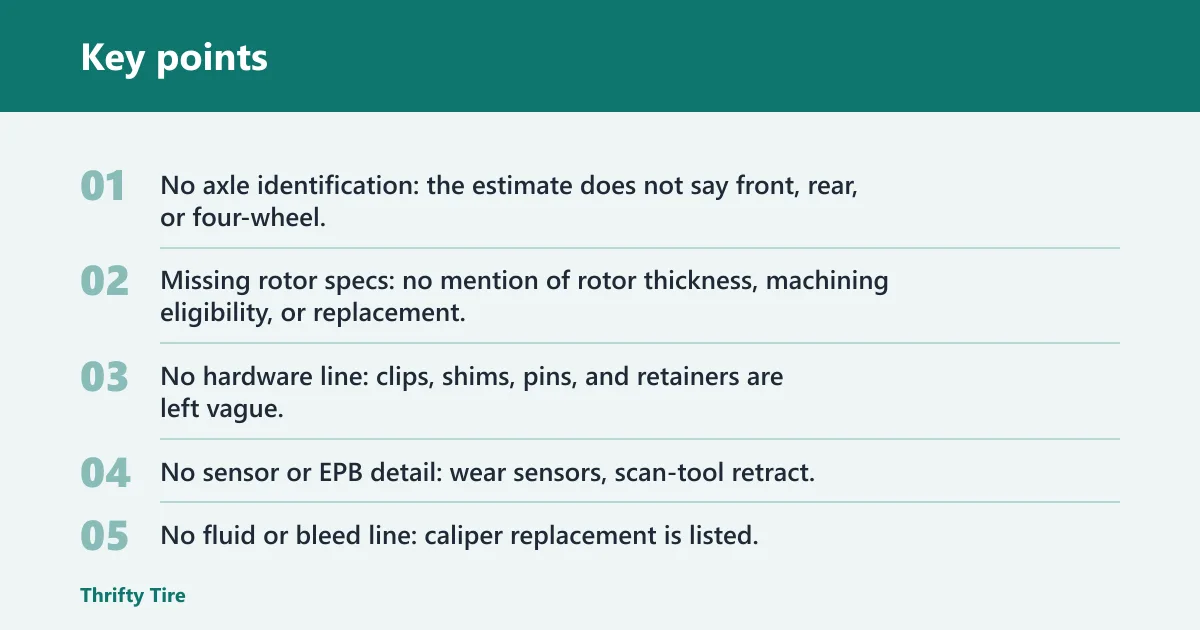
- No axle identification: the estimate does not say front, rear, or four-wheel.
- Missing rotor specs: no mention of rotor thickness, machining eligibility, or replacement.
- No hardware line: clips, shims, pins, and retainers are left vague.
- No sensor or EPB detail: wear sensors, scan-tool retract, or reset labor are omitted on vehicles that need them.
- No fluid or bleed line: caliper replacement is listed, but brake bleeding or fluid service is not.
- Single price with no labor rate: the quote hides the shop rate and parts markup.
How much should a front or rear brake job cost?
Front brake jobs often cost more because front brakes do more stopping work and wear faster. Rear brake jobs can still rise in price if the vehicle uses an electronic parking brake, because the rear calipers may need a scan-tool retract and reset procedure before the pads can be serviced.
Why front brakes often cost more
A front brake job without rotors is estimated at $110 to $250, with front brake parts estimated at $35 to $100 and front brake labor estimated at $75 to $150. Front axle pricing is often the first quote drivers see because the front pads usually wear sooner than the rears. Front brake jobs also carry more braking load, so parts wear faster and rotors are more likely to be replaced with the pads.
Why rear brakes can cost more with EPB
Rear brake work can cost more than expected on vehicles with EPB, especially many European platforms. The shop may need to retract the electronic parking brake with a scan tool and reset it after assembly. That extra step adds labor even when pad and rotor prices look normal.
Per-axle versus four-wheel pricing
Quotes are often written per axle, not as a four-wheel total. That means “front brakes” and “rear brakes” should be compared separately. A full four-wheel quote is usually higher because it includes two axles, more labor, and sometimes different hardware or caliper issues on one end of the vehicle.
Suppose a midsize crossover gets a front quote for pads and rotors, while the rear still has usable rotors but needs an EPB reset. The rear may still cost more than a simple rear-pad number because the scan-tool step and labor do not disappear.
What changes the price by vehicle type?
Vehicle size and brake hardware change the bill. Economy and compact cars are shown at $280–$400 per axle, midsize sedans and crossovers at $300–$480 per axle, and full-size SUVs and trucks at $380–$580 per axle. Luxury or European vehicles run 20–40% higher than domestic or Japanese vehicles. Those figures are best treated as typical estimates because labor rates, parts brands, and service scope can move the total significantly.
Compact car pricing
Compact cars tend to use smaller rotors and lighter brake components, so parts and labor are often lower. Even so, the quote should still list whether the estimate is pads only or pads and rotors. A smaller car with worn calipers can still move into a higher bracket fast.
Midsize crossover pricing
Midsize crossovers usually sit in the middle because they carry more weight than a compact car and often use larger rotors. That added size can raise the parts total and the labor time, especially if the rear brakes use an EPB system.
Truck and SUV pricing
Full-size SUVs and trucks are shown at $380–$580 per axle because heavier vehicles need larger brake components. Weight matters here. Bigger rotors, larger pads, and more labor often push the total above a small-car quote even before any extra repair is added.
Luxury and European vehicle pricing
Luxury or European vehicles usually cost more because brake components, sensors, and labor time are often pricier. EPB systems are common on these platforms, and calipers or wear sensors can add cost. A quote that looks high on paper may still be normal for that vehicle class.
Which parts push the bill higher?
The biggest price jumps usually come from rotor limits, caliper failure, hardware, sensors, and fluid service. Labor is a major share of the bill, and regional labor rates plus shop type can move the same axle job by a noticeable amount. Price guides such as AAA labor-rate surveys and repair-cost references commonly show wide local variation, which is why the same brake job can differ by a few hundred dollars between shops.
Rotor thickness and replacement limits
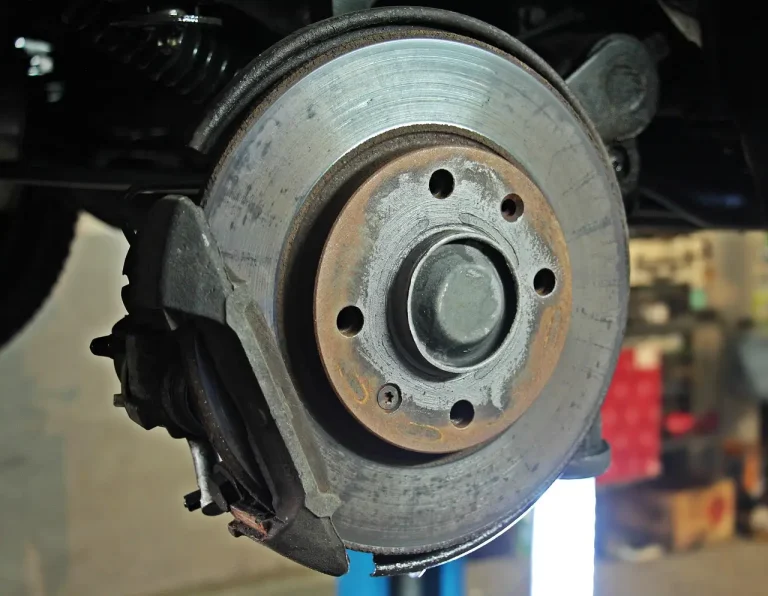
Rotors should be checked against the manufacturer minimum thickness, not guessed by appearance alone. If they are below spec, resurfacing is off the table. Scoring, warping, and heat spots also push the job toward replacement because new pads need a flat, stable braking surface. OEM service data typically treats rotor minimum thickness as the repair threshold.
Seized or leaking calipers
A seized or leaking caliper is one of the clearest cost drivers. It can create uneven wear, pulling, or heat buildup, and it often adds both parts and labor. Per-corner replacement matters because replacing only the bad side may still require extra diagnostics and brake bleeding.
Hardware, sensors, and brake fluid
Hardware kits, pad wear sensors, and brake fluid are easy to miss in a quick estimate. Brake fluid flush pricing is listed at $80 to $130, and that service is often separate unless the shop bundles it with a larger brake repair. A flush is often due every 2 to 3 years. Shop supplies, bleed time, and disposal fees can also show up as small but real add-ons.
Say your compact sedan has new pads but the old rotors are below minimum thickness. A pads-only quote looks cheaper up front, but it can leave you paying twice if the rotors need replacement soon after. A better quote lists the rotor check before you authorize the work.
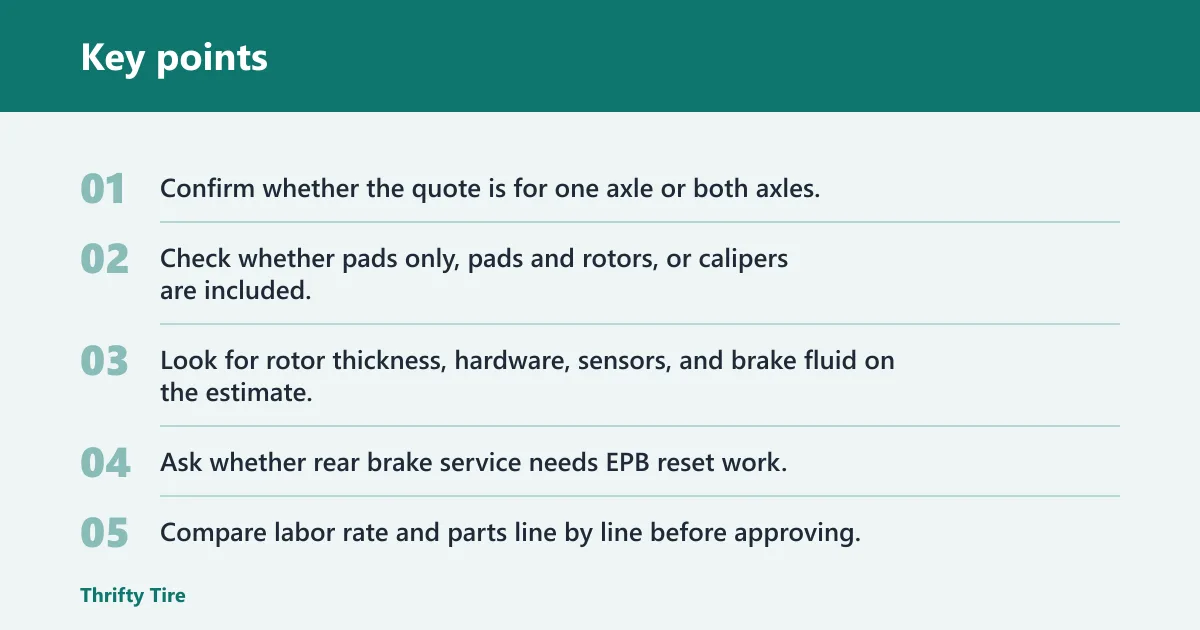
- Confirm whether the quote is for one axle or both axles.
- Check whether pads only, pads and rotors, or calipers are included.
- Look for rotor thickness, hardware, sensors, and brake fluid on the estimate.
- Ask whether rear brake service needs EPB reset work.
- Compare labor rate and parts line by line before approving.
How much should a brake job cost at a dealership?
Dealership brake quotes are often higher than independent shop quotes because labor rates are usually higher and some parts cost more. Chain shops may price closer to independents on routine work, but the total still depends on vehicle type, rotor condition, caliper condition, and whether EPB service is included.
Dealer versus independent shop
A dealer is not automatically overpriced, but the estimate often reflects higher labor and brand-specific parts. Independent shops may come in lower on routine pads and rotors, especially for domestic and Japanese vehicles. On European cars, the gap can narrow because the parts and procedures are already more complex.
Chain shop pricing factors
Chain-shop pricing can be competitive on standard axle service, but the quote still needs close reading. Some estimates include pads and rotors, while others list calipers, sensors, or fluid as separate line items. That difference can make a low opening number climb quickly.
Why labor rate matters as much as parts
Labor can be a major share of the total bill. A brake job that looks affordable in parts can still become expensive if the shop’s labor rate is high or if the vehicle needs extra setup for EPB, calipers, or brake bleeding. Always compare the labor line, not just the parts total.
Frequently asked questions
How much should a full brake job cost?
It should match the scope on the estimate. If the shop is replacing only pads, the lower tier is normal. If rotors, calipers, hardware, or EPB service are included, a higher price can be justified. The quote should make each added item easy to spot.
How much does a full brake replacement cost?
Full brake replacement usually means more than pads alone. On many passenger vehicles, that pushes the total into the pads-plus-rotors range or beyond, especially if one caliper is seized or leaking. Full-system repairs can climb much higher when all four corners need work.
How much should a brake job cost with rotors?
Pads plus rotors commonly cost $300 to $550 per axle. That range fits many standard cars and crossovers when the rotors must be replaced rather than resurfaced. If the vehicle is larger or luxury-branded, the total often moves higher.
How much should a brake job cost with rotors and calipers?
Pads plus rotors plus caliper can reach $500 to $800 per axle. A seized or leaking caliper is the usual reason. Expect more labor, possible brake bleeding, and sometimes a higher total on vehicles with EPB or hard-to-service rear brakes.
How much does a brake job cost on average?
For many passenger vehicles, a typical axle quote lands around $500 to $900 when pads, rotors, and labor are included. That average shifts up for trucks, SUVs, and European vehicles, and it shifts down when rotors can still be reused within spec.
How much does a brake job cost at a dealership?
Dealership pricing is often higher than an independent shop because of labor rate and parts cost. That does not mean the quote is wrong. It does mean you should compare the listed parts, labor, fluid, and EPB service before deciding whether the higher quote is worth it.