What Is the Speed Rating on a Tire Sidewall?
The speed rating is the letter at the end of the tire service description, and it tells you the maximum speed the tire is built to sustain under specified conditions; match the vehicle placard unless a qualified replacement size keeps the required load index and speed rating. NHTSA notes that replacement tires should meet the vehicle manufacturer’s recommended size and performance specifications, and Tire Rack explains that the service description includes both load index and speed rating. Ignore it, and you can end up with overheating, faster wear, handling issues, or a tire that does not meet the carmaker’s spec. This guide shows where the rating appears, how to read the full sidewall code, and how to verify the correct rating for your vehicle.
What does the speed rating tell you?

The speed rating is a letter in the tire service description on the sidewall. It shows the tire’s maximum safe speed under proper conditions, and it is one part of the full service description, alongside the load index number. It does not tell you tread life, wet traction, or how much weight the tire can carry by itself. Tire industry references and manufacturer tech guides describe speed rating as a laboratory-determined performance category, not a promise about tread life or road conditions.
Passenger vehicle tires come with that service description added to the end of the tire size. The number is the load index; the letter is the speed rating. Together, they help you judge fitment, but they do not replace the vehicle manufacturer’s requirements.
A tire’s speed rating is established through standardized laboratory speed testing. In those tests, the tire is inflated and run under controlled conditions to verify its performance at progressively higher speeds, rather than simply being “spun until it fails.” That is why the rating is more than a guess or a marketing label. Tire Rack and major tire manufacturers describe these tests as standardized endurance and speed capability evaluations.
Speed rating matters because heat buildup and centrifugal distortion rise as speed increases. Those forces also rise under braking and cornering load, which is why a rating can affect handling and braking behavior, especially when the tire is loaded or driven hard. NHTSA’s tire safety guidance also emphasizes checking the full tire specification, not just size, because the correct tire must match the vehicle’s requirements.
How do you find it on the sidewall?
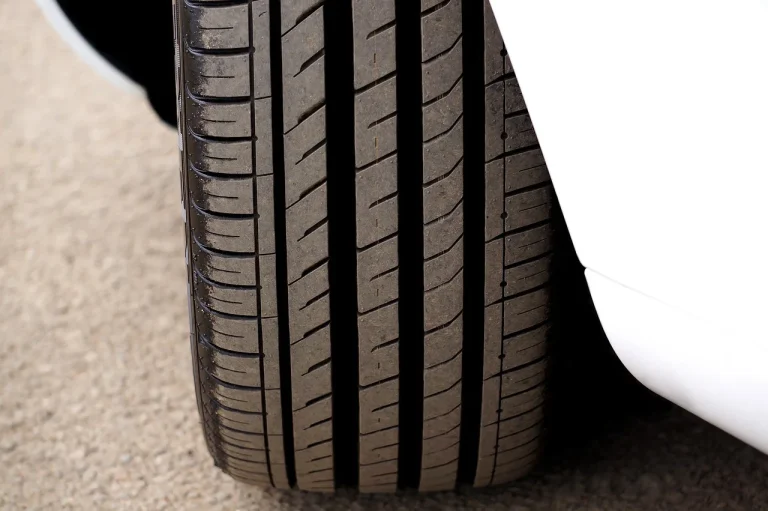
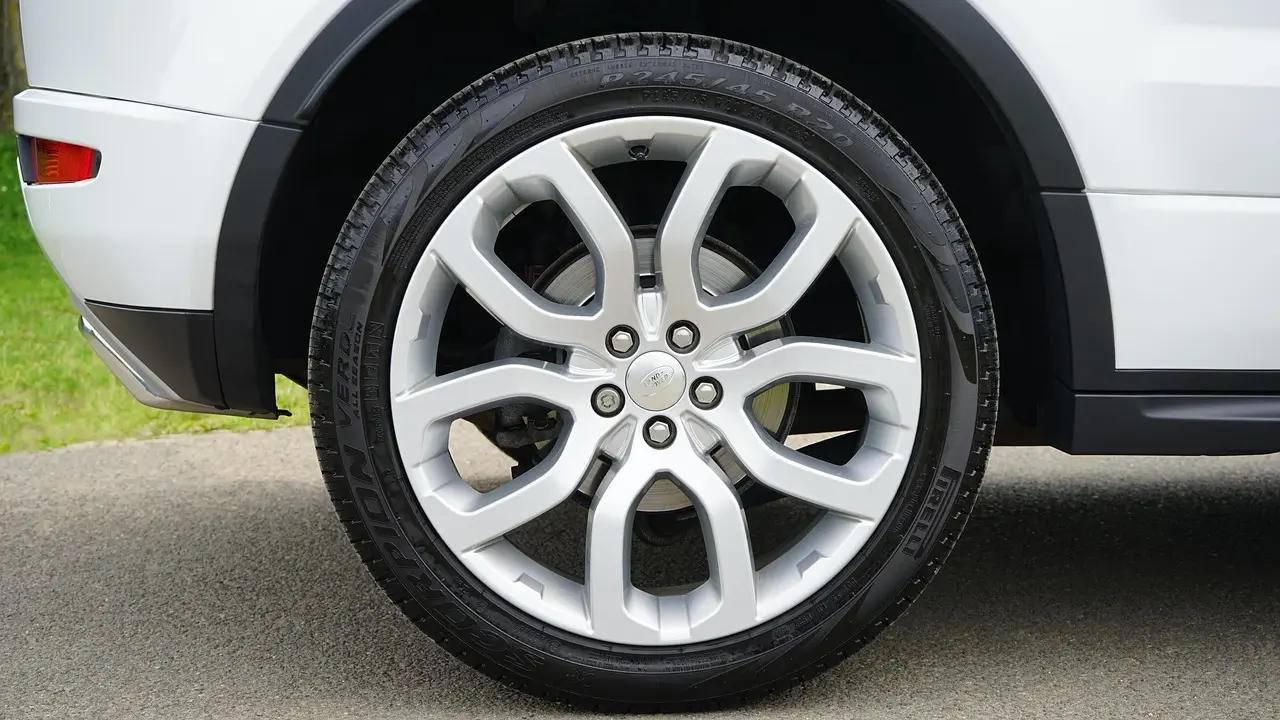
Look at the tire size first, then read the service description immediately after it. The service description is where you find the load index number and the speed letter. Nearby markings may also include maximum inflation pressure, DOT code information, and UTQG grades.
A common first-timer mistake is reading only the size and stopping there. The size tells you the tire’s format. The service description tells you how that tire is rated for load and speed.
- Find the tire size on the sidewall.
- Read the service description at the end of the size code.
- Separate the number for load index from the speed letter.
- Note the maximum inflation pressure printed on the sidewall.
- Find the DOT code and any UTQG grades nearby.
Sidewall decoding checklist
Use this checklist in the exact order it appears on the tire. It keeps the size, load, speed, and other markings in sequence so you do not confuse one code for another.
| Marking to find | Where it appears | What it means |
|---|---|---|
| Tire size | At the start of the sidewall size code | Shows the tire’s size designation and fitment format. |
| Load index | In the service description after the size | Number showing the maximum load each tire is designed to support with proper inflation. |
| Speed rating | Letter after the load index | Letter-based code for the tire’s maximum safe speed under proper conditions. |
| Maximum inflation pressure | Printed elsewhere on the sidewall | Highest air pressure that should be inflated into the tire; it is not the vehicle’s recommended inflation pressure and should be checked cold before driving. |
| DOT code | Sidewall marking used for highway tire identification | Regulatory tire identification marking used in the DOT labeling framework. |
| UTQG grades | Sidewall marking on many passenger tires | Grades for treadwear, traction, and temperature resistance. |
How do load index and pressure fit in?
The load index is the maximum load each tire is designed to support, but only when the tire is inflated properly. That is why load index and inflation pressure belong together. A tire with the right load index can still underperform if pressure is wrong.
Maximum inflation pressure is printed on the sidewall of a tire. That printed pressure is the highest air pressure that should be inflated into the tire. Check cold tire pressure in the morning before operating the vehicle, because tire pressure changes with ambient temperature.
For every 10 F change in ambient temperature, tire inflation pressure changes by about 1 psi. That does not mean you should inflate to the sidewall maximum unless the tire manufacturer or vehicle maker calls for it. It means pressure readings shift with temperature, so check them cold. This temperature-pressure relationship is also consistent with tire manufacturer guidance and industry references on cold inflation pressure.
Read the load index and speed rating together. One number does not replace the other. A tire can have enough load capacity and still miss the speed rating your vehicle requires.
Can you use a lower rating than stock?
In general, no. The vehicle specification comes first, and you should not install a tire rated lower than the vehicle calls for. Engineers place the required speed rating information on the vehicle and in the owner’s manual, and those are the starting points for the correct replacement spec.
Check the door placard and owner’s manual for the required tire specifications. The placard is the practical starting point for size and pressure, while the manual may help confirm the original equipment speed rating or related limits. If those sources point to a specific rating, do not go below it.
Picture a sedan that calls for a 94V tire. Replacing it with a 94H tire drops the speed rating even though the load index stays the same. That is not a like-for-like swap if the vehicle requires V.
Higher-rated tires are not always needed for every driver, but they may be useful when the vehicle spec calls for them or when the driving load is more demanding. If the replacement option changes the rating, confirm that the new tire still meets the carmaker’s requirement.
Does the rating matter if you never drive that fast?
Yes, because speed rating is tied to heat, cornering, and braking, not only top speed. A tire can run within the legal speed limit and still work harder from heavy cargo, long highway drives, sharp turns, or repeated braking.
Commuters often care less about the top speed number than about ride, noise, and wear, but the rating still matters if it is part of the vehicle’s spec. Drivers who tow or live in hot climates should pay closer attention, because heat buildup is a bigger concern there.
Say your crossover spends most of its time on short suburban trips, then takes a long summer highway drive with four passengers and luggage. The car may never approach the speed limit on the sidewall, yet the tire can still generate more heat than it does on a quick errand run.
A higher rating may help in demanding use, but it is not a blanket upgrade. Choose it for the right reason: meeting the vehicle requirement, adding margin for heavier use, or improving response. Do not pick it just because the letter looks better.
Fitment decision guide: same load, different speed

When the load index matches but the speed rating changes, the deciding factor is the vehicle requirement and the driving use case. A 94H and a 94V may both carry the same load index, but they are not interchangeable if the placard or manual specifies V. The load index tells you capacity; the speed rating tells you the tire’s tested speed capability under standardized conditions.
Use the higher-rated option when it is required, or when the vehicle is used in a way that benefits from extra high-speed heat tolerance or sharper response. Otherwise, stay with the specification the vehicle calls for.
| Use case | What to consider | Higher-rated tire may help when… |
|---|---|---|
| Commuter driving | Ride comfort, noise, wear, and exact vehicle spec | the vehicle requires the higher rating or you want to preserve OE-like response |
| Hot-climate highway use | Heat buildup during long, fast, continuous driving | you spend long stretches on hot pavement with sustained highway speeds |
| Towing or heavy load use | Extra heat from load, braking, and sustained effort | you regularly carry passengers, cargo, or tow near the vehicle’s limits |
| Performance-oriented driving | Steering response and higher-speed capability | you want the tire rating that matches the chassis and factory performance spec |
Speed rating chart for common letters
This chart gives a quick comparison for common speed ratings. It is a reference, not a substitute for the vehicle placard or manual. The numbers below are common values used for comparison; the exact fitment rule still depends on the vehicle specification. Tire Rack and tire industry references list these values as standard speed-rating thresholds.
| Speed rating | Approximate maximum speed | What it means in practice |
|---|---|---|
| S | 112 MPH | Common on many touring tires and some family vehicles. |
| T | 118 MPH | Often used where comfort and everyday use matter more than sporty response. |
| H | 130 MPH | Frequently seen on cars that want a balance of ride and response. |
| V | 149 MPH | Common on performance-oriented fitments and some upgraded OE sizes. |
| W | 168 MPH | Used on higher-performance applications that need more speed capability. |
What does tire speed rating V mean?
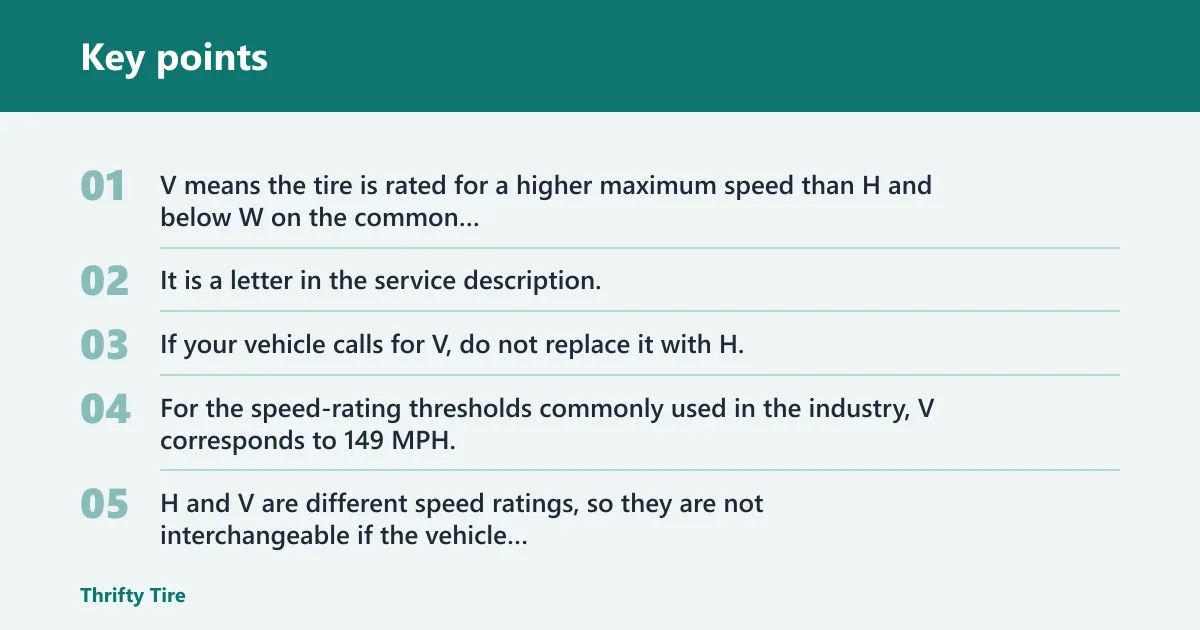
V means the tire is rated for a higher maximum speed than H and below W on the common chart above. It is a letter in the service description, and it signals the tire’s speed capability under proper conditions. If your vehicle calls for V, do not replace it with H. For the speed-rating thresholds commonly used in the industry, V corresponds to 149 MPH.
What is the difference between H and V speed ratings?
H and V are different speed ratings, so they are not interchangeable if the vehicle specification requires one or the other. On the common chart, H is lower than V. That difference matters because the tire’s heat tolerance, construction, and standardized test speed capability are tied to the rating.
What does sidewall mean on tires?
The sidewall is the outside rubber section between the tread and the bead. It is where you read the tire size, service description, maximum inflation pressure, DOT code, and any UTQG grades. When people say “read the sidewall,” they mean read those markings, not the tread.
UTQG markings can appear on the sidewall too. That system includes treadwear, traction, and temperature. Do not mix those grades with the speed rating. They measure different things.
Temperature grade is one part of UTQG and uses A, B, or C. It is generally related to resistance to heat generated at high speed. Grade C is the minimum level of performance for all passenger vehicle tires, while A is the highest temperature grade and C is the minimum acceptable grade under the UTQG system.
Frequently asked questions
What does the speed rating on a tire sidewall tell you?
It tells you the tire’s maximum safe speed under proper conditions. The rating is a letter in the service description, and it should be read with the load index, not in isolation. Use the vehicle placard and owner’s manual to confirm the required spec before replacing tires.
How do I find the speed rating on my tires?
Look at the service description at the end of the tire size on the sidewall. The service description contains the load index number and the speed rating letter. If you are unsure, compare those markings with the placard and the owner’s manual before buying replacements.
Can I use a tire with a lower speed rating than stock?
Do not do that unless the vehicle maker specifically allows it, which is uncommon. The required speed rating is part of the vehicle’s specification, and engineers place that information on the vehicle and in the owner’s manual. If the vehicle calls for higher, stay at or above that rating.
What speed rating do I need for my car?
Start with the door placard and owner’s manual. Those sources give the required tire specifications, and they are the right place to confirm the original equipment rating. If a replacement size is being considered, make sure it still meets the required load index and speed rating.
Does tire speed rating matter if I never drive that fast?
Yes. The rating still matters because heat buildup, braking, and cornering load affect the tire even at everyday speeds. If you tow, carry heavier loads, or drive in hot weather, the rating can matter even more. It is a fitment spec, not only a top-speed number.
What is a 94H vs 94V tire?
Both tires have the same load index, so both are designed for the same load capacity when properly inflated. The difference is the speed rating: H is lower than V. If the vehicle requires V, a 94H tire is not an acceptable substitute, even though the load index matches.