How to Find the Correct Tire Size for Your Car
Usually check the driver-side door placard first for the tire size. Then compare it with the owner’s manual and factory service data. If they conflict, trust the placard and OEM specs, not the tires already on the car. A wrong size can affect fit, speedometer accuracy, load capacity, and ride quality. NHTSA explains that the placard shows the original tire size and cold inflation pressure, while the owner’s manual is the OEM cross-check. This guide shows how to verify factory size, sort out conflicting sources, and spot when your current tires are the wrong reference.
Start with the door placard
The safest baseline is the OEM size listed for your vehicle, usually on the Tire and Loading Information placard in the driver’s-side door jamb. That placard and the owner’s manual should generally match on the original tire size and cold inflation pressure. If the tires on the car do not match, treat them as a clue, not proof. OEM guidance and NHTSA placard basics both point to the placard as the first source to trust when you are verifying original fitment.
What you need before you start
- Driver’s-side door jamb placard
- Owner’s manual
- Current tire sidewall view
- Vehicle VIN
- Dealer build record, if the placard and tires conflict
Say your SUV wears 255/55R20 tires today, but the door placard lists 245/65R17. The larger wheel may be an aftermarket change, or the vehicle may have been fitted with a different factory package. In that case, the current tires are not a reliable reference until you verify the build record.
Where do you find the tire size?
You can find tire size on the driver’s-side door jamb placard, on the tire sidewall, and in the owner’s manual. Firestone also lists the glove box door as a size location, but the door placard is the first place to check because it lists the original tire size and the correct cold inflation pressure. NHTSA likewise treats the placard as the source for the original tire size and recommended inflation pressure.
Check the driver’s-side door placard first
The Tire and Loading Information placard is usually on the driver’s side door jamb. It lists the original tire size, and on some vehicles it may list different front and rear sizes or a spare tire size. It also gives the correct cold inflation pressure. If the placard is missing or unreadable, move immediately to the owner’s manual and factory build record instead of relying on the tires currently installed.
Read the sidewall code next
A tire size example is 245/65R17. In that code, 245 is the section width in millimeters, 65 is the aspect ratio, R means radial construction, and 17 is the wheel diameter in inches. Firestone uses the same basic format in its example, P225/65R17. Many tires also add a load index and speed rating after the size, but those numbers do not replace the size code itself.
Use the owner’s manual as a cross-check
The owner’s manual should list factory tire sizes and may also list optional trim sizes or recommended inflation pressure. If the manual and placard agree, you have a strong match. If they do not, check whether the vehicle has a factory alternate package or a later wheel change. OEM manuals are the right source for original guidance, while the placard remains the final on-vehicle reference for inflation and size.
Use the VIN to confirm trim, not tire size
The VIN can help identify the trim and factory configuration, but it does not directly encode tire size. If you need a build-specific answer, a dealer or factory build record lookup is the better path. VIN decoding is useful for narrowing the vehicle configuration, but it is not a tire-size lookup by itself.
3-source tire size verification
This is the simplest way to sort out mixed clues. Use the placard as the baseline, then compare it with what is on the car and what the factory records say. When two sources disagree, the current tire sidewall is the one most likely to mislead you if wheels or tires were changed after delivery.
| Step | What to compare | What it tells you |
|---|---|---|
| Step 1 | Driver’s door placard vs. current tires | Whether the vehicle still wears the original size |
| Step 2 | Sidewall code vs. placard | Whether width, aspect ratio, construction, and wheel diameter match |
| Step 3 | Owner’s manual or dealer build record vs. both | Whether a factory alternate size or package explains the mismatch |
Red flags: staggered fitments, aftermarket wheels, temporary spares, and mixed front and rear sizes. Any of those can make the current sidewall size a bad reference for replacement shopping.
- Compare the driver’s door placard to the current tires. If they match, the placard is usually your best starting point for replacement shopping.
- Confirm every field in the sidewall code. Match section width, aspect ratio, construction type, and wheel diameter, not just the first number.
- If the placard and sidewall disagree, check the owner’s manual or dealer build record. Use the factory record to sort out alternate packages or later wheel changes.
- Verify whether the car uses the same size at all four corners. If it uses staggered fitments, front and rear sizes may be different by design.
- Check for a temporary spare or mixed wheel package before ordering. A spare size or a prior wheel swap can make the installed tire size misleading.
Picture a sedan with 225/65R17 tires on all four corners, but the placard lists 215/60R16. If the car now has 17-inch aftermarket wheels, the installed tires may fit those wheels, but they are not evidence of the original specification. Verify the wheel size first, then confirm the tire size that belongs on that wheel.
When to trust each source
| Source | Trust it when | Common failure case | Next action |
|---|---|---|---|
| Door placard | You need the original tire size and cold inflation pressure for the vehicle as built | Placard is missing, faded, or was replaced after a door repair | Check the owner’s manual and factory build record |
| Owner’s manual | You want OEM guidance on original sizes, alternates, and inflation references | Manual lists multiple packages and you are not sure which one applies | Match the manual to the trim code or build record |
| Current sidewall | The car still wears original equipment and no wheel or tire changes have been made | Aftermarket wheels, mixed sizes, temporary spare use, or worn markings | Use the placard/build record, not the current tire alone |
| Dealer build record | You need factory-verified wheel and tire equipment tied to the VIN | Record is unavailable or the car was modified after delivery | Confirm wheel dimensions and original package before buying tires |
Branch guidance:
- Missing placard: Use the owner’s manual and VIN-based build record, then verify wheel diameter and package details before ordering tires.
- Unreadable sidewall: Clean the tire, rotate the wheel if needed, and fall back to the placard or manual rather than guessing from tread wear or memory.
- Staggered fitments: Confirm front and rear sizes separately. Do not assume all four tires match just because the car has four wheels.
- Temporary spare: Do not use the spare size as a replacement reference for the full-size tire set. It is a temporary solution, not the normal fitment.
- Aftermarket wheels: Verify the wheel diameter, width, and offset/backspacing first. Then choose a tire that fits the wheel and preserves the intended diameter.
What size tires does my car need?
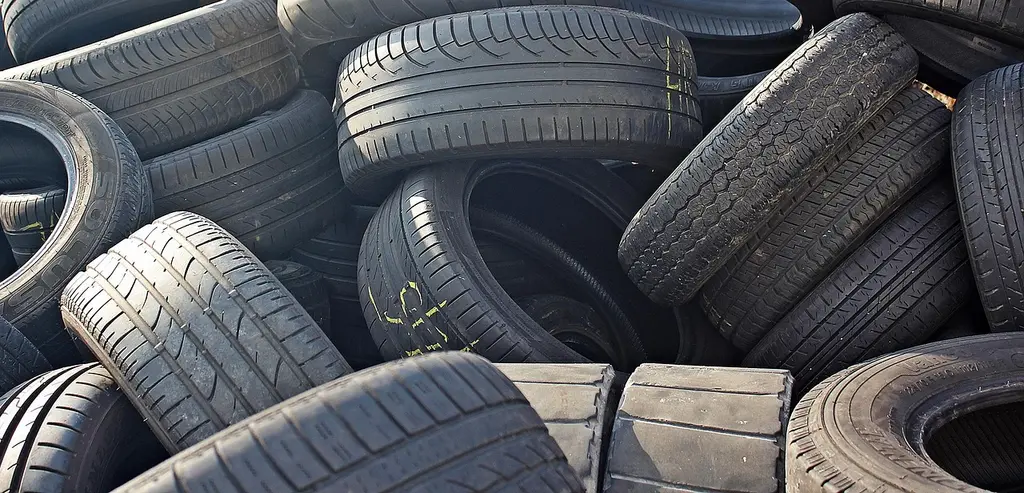
Your car needs the OEM tire size that matches the wheel diameter and factory fitment, unless the manual or dealer record shows a factory alternate. The key numbers are the section width, aspect ratio, construction type, and wheel diameter. If the wheel diameter changes, the tire size must change with it. Tire size alone does not confirm wheel width or offset, so a correct-looking size can still be wrong for a modified wheel.
Tire size decoding table
| Code part | What it means | Example |
|---|---|---|
| Service type prefix | Vehicle/service category such as P for passenger tires; not every tire uses one | P225/65R17 |
| Section width | Tire width in millimeters at the widest point | 225 |
| Aspect ratio | Sidewall height as a percentage of section width | 65 |
| Construction | Internal construction type, usually radial | R |
| Wheel diameter | Wheel size the tire is designed to fit, in inches | 17 |
| Load index / speed rating | Optional performance and carrying-capacity ratings that follow the size | 102H |
Note: The tire size code tells you the tire’s basic dimensions, but it does not confirm wheel width or offset/backspacing. For that, use the wheel specifications for the vehicle and compare them with the tire and wheel package.
How to read section width
The first number in a tire size is the section width in millimeters. In 245/65R17, the width is 245. A wider tire can change clearance, steering feel, and load behavior, so do not use width alone to decide fitment. Width must be checked with the wheel dimensions and the vehicle’s available space.
How aspect ratio changes sidewall height
The second number is the aspect ratio, shown as a percentage. In 245/65R17, 65 means the sidewall height is 65% of the tire width. A lower aspect ratio usually means a shorter sidewall, which changes ride height and handling response. It also changes how much cushion the tire has over bumps and potholes.
What the R means
The R indicates radial construction, which is commonly used for modern passenger tires. Firestone’s example, P225/65R17, uses the same R. If the construction type does not match the factory spec, the tire is not the correct replacement. Construction is part of the full code, not a detail to ignore.
Why wheel diameter must match
The last number is the wheel diameter in inches. In 245/65R17, the 17 means the tire fits a 17-inch wheel. Tire size and wheel size are related but not the same thing. A tire marked for a 17-inch wheel is not intended to fit a 16-inch wheel correctly. A wheel with the wrong diameter will not accept the tire safely, even if the width seems close.
Does the VIN show tire size?
No. The VIN does not directly encode tire size. It can still help identify the trim, factory package, and build details, which is useful when the current tires and placard do not line up. For a precise answer, use the VIN with a dealer build record or factory lookup.
Why a dealer lookup can help
A dealer can often pull the build record tied to the VIN and confirm the original wheel and tire package. That is useful for vehicles with optional trims, sport packages, or alternate wheel sizes that were installed at the factory. It is also the best way to distinguish original equipment from a later wheel swap.
Why the VIN alone is not enough
The VIN identifies the vehicle, not the exact tire size printed on the car’s placard. If your current tires do not match the placard, the VIN helps narrow the build, but it does not replace the placard or the manual. A VIN lookup can support the answer, but it cannot override the vehicle label and OEM documentation.
Common mistakes
The most common errors are simple: using the wrong wheel diameter, assuming all four corners use the same size, and treating worn or hard-to-read sidewalls as final proof. These mistakes are avoidable if you verify the placard first and cross-check the manual or build record when the car has been modified.
- Do not match only the first number on the tire. Width matters, but so do aspect ratio, construction type, and wheel diameter.
- Do not assume front and rear tires are identical. Some vehicles use staggered fitments from the factory.
- Do not trust the current tires if the car has aftermarket wheels. The wheel change may have forced a different tire size.
- Do not rely on a worn sidewall if the size marking is faded or hidden by dirt. Clean the sidewall and inspect the full code.
- Do not ignore the placard’s cold inflation pressure. The placard lists it along with the original tire size.
If the sidewall is hard to read, clean the tire and rotate the wheel if needed so the full size code is visible. If that still does not solve the conflict, use the owner’s manual or dealer build record rather than guessing from the tires already mounted. For inflation details, follow the placard’s cold pressure guidance, since that is the vehicle-specific baseline NHTSA describes for original equipment.
Frequently asked questions
How do I find the right tire size for my car?
Start with the driver’s-side door jamb placard, then confirm the size in the owner’s manual. If the current tires differ, check the VIN with a dealer build record so you can separate the original fitment from a later wheel or tire change. Use the placard for size and cold pressure, and use the manual to resolve trim-specific alternates.
How do I find the tire size on your car?
Look on the tire sidewall for a code such as 245/65R17 or P225/65R17. You can also check the Tire and Loading Information placard on the driver’s-side door jamb, which lists the original tire size and cold inflation pressure. If the sidewall is unreadable, the placard is the safer source.
What size tires fit my car?
The correct fit depends on the factory wheel diameter and the vehicle’s original package. A 17-inch tire is meant for a 17-inch wheel, not a 16-inch wheel. If wheels were changed, verify the new wheel diameter before shopping for tires. Wheel width and offset/backspacing also matter, especially with aftermarket wheels.
How do I know my tire size if the sidewall is hard to read?
Check the door placard or the owner’s manual first. If the car has been modified or the placard is missing, use the VIN with a dealer build record. That gives you the original wheel and tire package without guessing from a faded sidewall. If the car has staggered sizes, confirm the front and rear codes separately.
Does the VIN show my tire size?
No. The VIN helps identify trim and factory configuration, but it does not directly list tire size. Use it with a dealer lookup or build record when the placard and current tires disagree. The VIN is a supporting tool, not a substitute for the placard or OEM manual.