Why Do Lug Nuts Swell?
Lug nuts swell when a thin outer cap corrodes or separates from the steel nut underneath; if a socket no longer fits cleanly, stop and replace the nut before forcing it. Ignoring it can round off hardware, damage studs, and turn a tire change into a roadside problem. This guide explains capped-nut failure, how to spot stud damage, and the simple replace-or-go decision.
How capped lug nuts fail
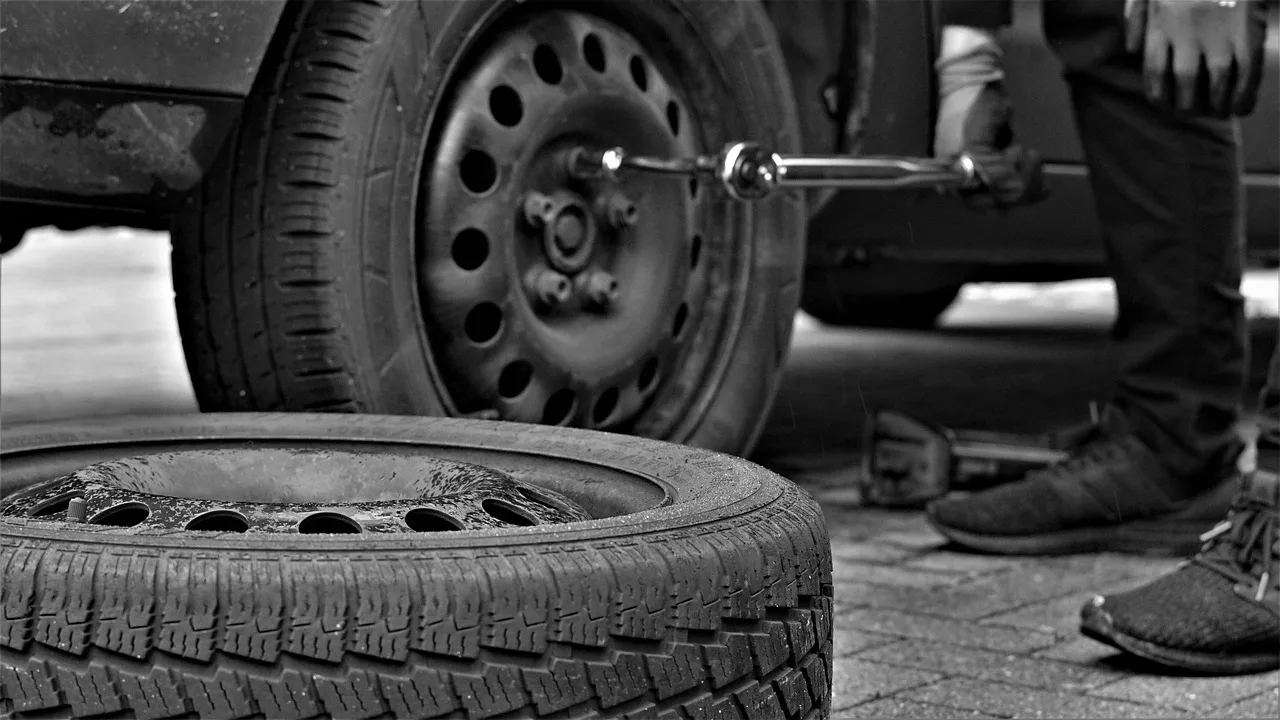
Swollen lug nuts are usually a capped-hardware failure, not a thread-size change. On many two-piece lug nuts, the inner nut stays the same while the thin outer cap corrodes, deforms, or separates, and the outside hex grows enough to stop a normal socket from starting. One-piece nuts can also round off or corrode until the hex no longer fits a socket cleanly.
Two-piece lug nut failure mode
Two-piece lug nuts use an inner nut with a thin outer cap. That cap can crack, bubble, separate, or distort until the outside shape is no longer what the wrench expects. Ford-style two-piece nuts are a common example, and some Ford and truck applications may use this pattern more often than one-piece hardware.
The key point is straightforward: the trouble is usually at the outside hex, not the threads. A lug nut can look misshapen and still have the same thread pitch underneath.
Why the socket fit changes before the threads do
A normal socket fits the outside hex. If the cap grows or rounds over, the socket may suddenly feel too small even though the stud threads are unchanged. Some owners report that an in-between or half-size socket can remove a swollen nut, but that is a removal-only workaround, not a fix.
Why do lug nuts swell after heat and rust?
Water intrusion, road salt, oxidation, and heat cycles all push the cap toward failure. Moisture can get between the cap and base on two-piece lug nuts, corrosion builds at the seam, and repeated heating and cooling can add distortion over time. Brake heat can make the corrosion problem worse.
Water intrusion and road salt
When water gets trapped between the cap and the inner nut, rust starts where you cannot see it. Road salt speeds that up. As the cap corrodes from the inside out, the hex can expand, split, or jam so tightly that normal tools no longer bite correctly.
Heat cycles and brake heat
Heat and cooling do not have to melt the lug nut to cause trouble. Repeated heat cycles can contribute to cap distortion, and brake heat can accelerate corrosion around the seam. The result is often a nut that still threads on but is harder to remove every season.
Picture a capped nut on a winter-driven truck: the socket fit was fine in summer, but after a season of salt and brake heat, the wrench will not start without force. That change points to cap damage first, not a sudden change in the stud thread size.
Socket fit and thread size are not the same
Socket fit is about the outer hex. Thread size is about the stud and the nut’s internal threads. A swollen cap can make the socket too tight while the stud thread pitch stays unchanged, so the outside looks like one problem and the threads remain a separate issue.
Why a normal socket may no longer start
Once the outer cap swells or rounds, a standard socket may no longer start by hand. That is the warning sign. If you have to hammer a socket on before you can turn the nut, the hardware is already past normal service condition.
When a half-size socket fits for removal
A half-size or in-between socket can sometimes grab a swollen outer hex for removal only. Use that as a last-resort removal tool, not a routine solution. Repeated hard use can crush the cap farther, round the nut more, and increase the chance of stud or wheel damage.
Suppose a vehicle has an M12 x 1.5 wheel fastener and the original wrench will not start on one nut. That does not mean the threads changed. It means the outside hex may have swollen enough that the tool no longer matches the cap.
Swollen lug nut triage
This table gives a stop-or-service decision based on what you can verify at the wheel. Use the symptom, then decide whether the nut is still safe to remove normally, needs a removal workaround, or should be replaced before more work continues.
| Symptom | Likely cause | Safe next step | Replace-now threshold |
|---|---|---|---|
| Socket won’t start | Outer cap has swollen, rounded, or shifted | Stop and inspect the cap and adjacent studs before applying force | Replace now if the socket will not start by hand on a clean nut |
| Socket only fits with force | Cap deformation has narrowed the usable hex | Use a removal-only workaround if needed, then replace the nut | Replace now if more than light hand pressure is needed to seat the tool |
| Cap is cracked or rounded | Two-piece cap has failed mechanically | Remove carefully and plan a full replacement set if several nuts match | Replace now when the cap is split, loose, or visibly misshapen |
| Rust visible at cap seam | Water intrusion and oxidation between cap and base | Treat as a corrosion problem, not a cosmetic one | Replace now if rust is pushing the cap outward or jamming the socket |
| Stud threads damaged | Cross-threading, stripping, or impact damage | Stop and inspect the stud and hub before reassembly | Replace now; do not reuse damaged threads |
| Wheel-seat mismatch suspected | Nut shape may not match the wheel seat style | Confirm conical/tapered, ball/spherical, or flat/mag seat before installing replacements | Replace now if the seat type is unknown or visibly wrong for the wheel |
How do I remove swollen lug nuts?
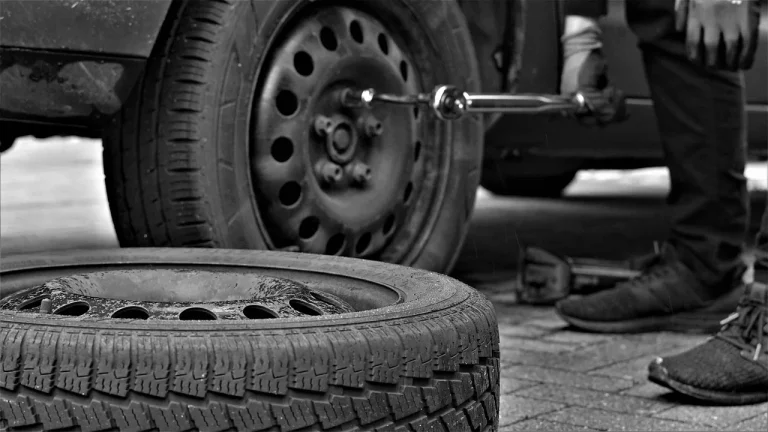
Use removal tools that fit the failure mode, not more force than the hardware can handle. Penetrating oil can help on rusted or stubborn nuts, but keep it off the wheel-seat mating surfaces and brake parts. If the cap is badly deformed, a breaker bar or a half-size socket may be the safer removal choice than repeated high-power impact use.
-
Clean the visible area.
Remove loose dirt and rust from the nut face so you can see the cap seam, the socket flats, and any cracking. This helps you tell cap failure from a simple dirt buildup. -
Apply penetrating oil carefully.
Use it only on the threads and exposed corrosion area, and keep it off the wheel seat and brake parts. The goal is to loosen rust, not contaminate the surfaces that clamp the wheel. -
Choose a fitting tool.
Try the correct socket first. If it will not start, a half-size socket may remove a swollen capped nut, but use it only long enough to get the nut off. -
Use steady force.
A breaker bar gives controlled torque. If an impact wrench is used, avoid repeated high-power blows on a visibly deformed nut, because that can worsen cap collapse or damage the stud and wheel. -
Inspect the stud afterward.
Look for flattened threads, cross-thread marks, or metal shavings. If the stud is damaged, replace the hardware before reassembly. -
Clean and dry before final torque.
Make sure the stud and nut threads are clean and dry before you tighten the wheel for final torque. This helps avoid clamp-load changes from lubricant or residue.
A common first-timer mistake is to keep hammering on a socket that only half-fits. That can turn a swollen cap into a rounded nut and turn a removable problem into a stud replacement job.
When should you replace the lug nuts?
Replace the nut when the cap has failed beyond reuse, when the socket no longer starts cleanly, or when rust has distorted the outside hex. Replacement is better than fighting damaged capped hardware every time you need to remove the wheel.
Match thread pitch and wheel seat style
The replacement nut has to match the stud thread pitch and the wheel seat style. Common lug nut sizes include 12mm x 1.25 and 12mm x 1.50, and common seat types include conical/tapered, ball/spherical, and flat/mag seat. The nut shape and the wheel seat have to agree, or clamping can be wrong even if the threads fit.
Do not assume one seat fits every wheel. A conical/tapered seat is not the same as a ball/spherical seat or a flat/mag seat, and the replacement hardware must match the wheel it clamps.
Torque still matters after replacement
After replacement, use the manufacturer torque spec. Under-tightened lug nuts can wiggle loose, while over-tightening can damage studs or wheel hardware.
-
Verify the thread pitch.
Match the replacement nut to the stud thread before installation. -
Match the wheel seat.
Confirm whether the wheel needs a conical/tapered, ball/spherical, or flat/mag seat. A correct thread with the wrong seat is still the wrong part. -
Torque in stages.
Tighten the nuts in a star pattern to the manufacturer spec, then recheck after the wheel has been installed.
Frequently asked questions
Why do lug nuts swell?
Most swollen lug nuts are two-piece capped nuts with an inner nut and a thin outer cap. The cap corrodes, separates, or deforms until the outside hex grows enough to block a socket. The threads may still be the same size underneath, so the visible problem is on the cap, not the stud.
What causes lug nuts to swell?
Water intrusion between the cap and base, road salt, oxidation, and repeated heat cycles are the main drivers. Brake heat can make corrosion worse over time. Once the cap starts to split or expand, removal becomes difficult with normal tools, and the nut may need replacement instead of more force.
Are swollen lug nuts dangerous?
Yes. They can make wheel removal difficult or impossible, which matters during a flat tire or brake job. If a damaged nut is forced, the socket can round off, the stud can be damaged, and reassembly may be unsafe. Treat swelling as a hardware problem that needs correction, not as a cosmetic issue.
Do lug nuts swell from heat?
Heat can contribute, but it is usually part of a larger corrosion problem. Repeated heating and cooling can distort the cap, and brake heat can accelerate rust at the seam. Heat alone does not prove the threads changed. A socket-fit problem still points first to the outside hex and the cap.
Why do Ford lug nuts swell?
Ford-style two-piece lug nuts are known for cap corrosion and deformation on some applications. Water can get between the cap and base, which can swell the outside hex and make the original lug wrench difficult to use. Some applications also use one-piece lug nuts that can round off or corrode, creating a similar socket-fit problem.