How Much Does Front Brake Rotor Replacement Cost?
Front brake rotor replacement usually costs about $250 to $700 per axle at an independent shop, with luxury, performance, or rusted hardware pushing it to about $800 or more. Skipping a fair quote can mean paying for parts you do not need or leaving warped rotors and worn pads in place. This guide breaks down each line item so you can judge labor, parts, machining, and add-ons before you approve the work.
Front brake cost basics
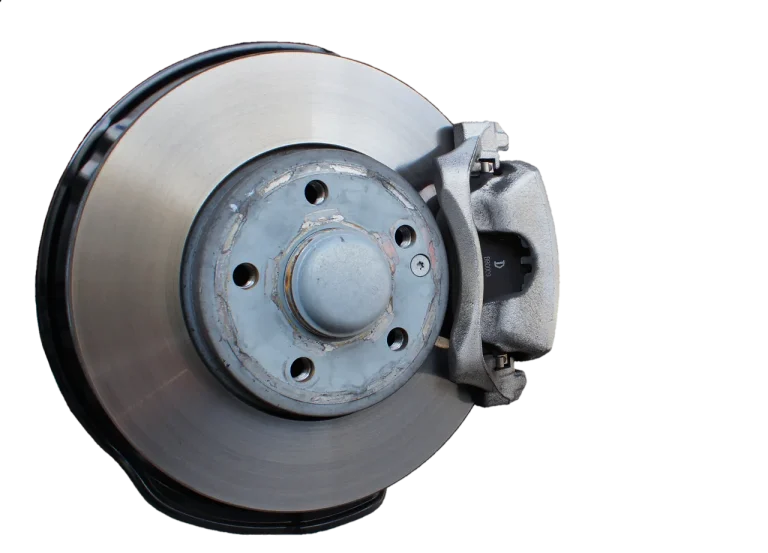
Front rotors are usually quoted as a pair per axle, so compare the full front-axle total, not a single rotor price. A fair estimate separates rotor parts, labor, brake pads if they are due, and any hardware or fluid work. Front brake work usually costs more than rear brake work because the front axle carries more stopping force, uses larger parts on many vehicles, and often takes more time to service.
What a front-axle quote usually covers
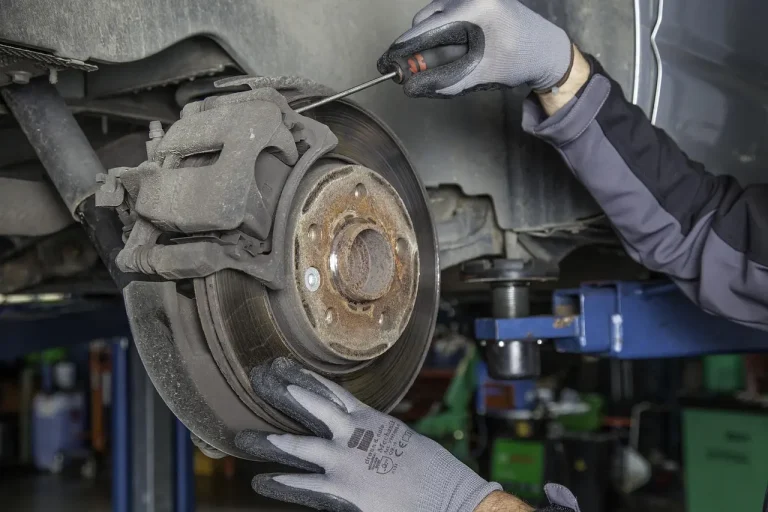
A normal front-axle quote often includes two rotors, a pad set, labor, and fresh hardware if the clips or shims are worn. It may also include brake cleaner, caliper slide service, and a shop fee. If the estimate adds caliper replacement or brake fluid service, that should be clearly explained.
Front rotor pricing changes with part type. Economy rotors start around $25 to $50 each, common rotor pricing is $30 to $75 each, and premium rotors are listed at $60 to $120 each. Premium rotors can exceed $200 per rotor on specialized vehicles.
How much does front rotor replacement cost?
For most drivers, front rotor replacement lands in the same broad range as a normal brake job, but the quote should still show the split between parts and labor. Rotor parts are quoted at $30 to $75 per rotor, labor is described at $150 to $200 per axle, and total cost per axle can range from $200 to $800.
Parts range for economy, OEM, and premium rotors
Economy and aftermarket rotors usually sit at the low end of the quote. OEM parts often cost more, while premium or coated rotors raise the parts line further. Coated rotors usually cost more than uncoated rotors because the finish helps resist rust, which matters in wet or salty climates. Premium rotor sets can also cost more when the vehicle calls for special fitment or a specific finish.
For a straight price comparison, think in axle terms. Two front rotors at $30 to $75 each can total $60 to $150 before labor. Add pads, hardware, and labor, and the estimate starts looking much more like the complete axle bill than a simple parts count.
Labor range by shop type and location
Hourly labor rates can range from $90 to $200, so the same brake job can cost very different amounts depending on the shop and region. Labor is often $100 to $200 per axle at an independent shop, while dealer labor can be $150 to $300 per axle. Most rotor jobs take 60 to 90 minutes per axle.
A dealer quote is not automatically inflated. It may reflect higher labor rates, more detailed inspection time, or vehicle-specific procedures. But if the estimate is far above the parts and labor ranges above, ask whether the quote includes extra work you did not authorize.
What a complete front-axle job often totals
Complete brake rotor replacement can cost $524 to $702 when parts, labor, and normal brake service items are bundled together. A complete brake job runs $250 to $500 per axle at an independent shop, which is a useful benchmark when you are comparing front axle quotes line by line.
Picture a compact sedan in a city with higher shop rates. Two front rotors, a pad set, and labor may land near the middle of the range. Now picture the same work on a European sedan with coated rotors and higher labor rates. The total can climb quickly without any upsell at all.
Front rotor quote decoder
This table turns a written estimate into a front-axle benchmark. Compare the parts line, labor line, and add-ons separately. If the quote is much higher than the ranges below, ask what changed the price before you approve the work.
| Vehicle type | Expected rotor parts range | Expected labor range | Common add-ons | Red-flag upcharges |
|---|---|---|---|---|
| Compact or midsize sedan | $60 to $150 per axle | $100 to $200 per axle | Pads, new hardware, brake cleaner | “Performance” rotors without a reason, extra shop fees, pad replacement added twice |
| Mid-size SUV | $80 to $180 per axle | $120 to $220 per axle | Pads, slide-pin service, hardware kit | Unclear caliper service charge, oversized labor line with no explanation |
| Half-ton truck | $90 to $220 per axle | $120 to $240 per axle | Heavy-duty pads, hardware, caliper lube | Charging separate labor for each wheel on a simple axle job |
| Luxury or performance car | $120 to $400+ per axle | $150 to $300 per axle | Coated rotors, wear sensors, premium pads | Blanket “specialty” surcharge without part numbers or rotor type |
| European vehicle | $150 to $400+ per axle | $150 to $300 per axle | Sensor replacement, coated rotors, hardware kit | Parts marked up far above OEM-equivalent pricing with no fitment reason |
Use the table like this: match your vehicle class, then check whether the estimate sits near the middle of the range or pushes past it. If the shop lists two rotors, pads, and normal labor, the quote should usually sit in the expected band. If it adds a brake flush, caliper work, or sensors, the total should rise only for a clear reason.
Why front rotors cost more than rear brakes?
Front brake work usually costs more because the front axle does more stopping, handles more heat, and often uses larger or more complex parts. That extra load can mean thicker rotors, bigger pads, and more labor time, especially when the vehicle has tight packaging or corrosion around the hardware.
Front-axle wear and heat load
During braking, the front axle carries most of the weight transfer. That means front rotors and pads wear faster in normal use. Heat also concentrates there, which can lead to grooves, heat spots, and cracks before the rear brakes show the same level of wear.
When rotors are hot and then cooled repeatedly, the surface can develop symptoms that feel like vibration or pulsing through the pedal. That does not prove every rotor must be replaced, but it does justify a close inspection of thickness, surface condition, and runout.
Parts size, design, and access differences
Some front brake systems use larger rotors, thicker pads, or more complex caliper brackets. Those parts cost more, and the extra size can slow the job. Bigger wheel and tire packages can also make access tighter, which adds time to the labor line.
Say your crossover has 20-inch wheels and coated front rotors. The parts alone may cost more than a sedan’s front axle, and the labor line can rise if the wheel setup makes the caliper and bracket slower to remove. The price difference can be normal.
Which vehicles raise the price?
Sedans usually sit near the low end of front rotor pricing, while SUVs and trucks often land higher because of rotor size, weight, and hardware cost. Luxury, performance, and European vehicles can move the estimate up again because their parts and labor are often more specialized.
Sedans versus SUVs and trucks
A sedan often needs smaller rotors and simpler pads, so the front axle may stay closer to the standard parts and labor ranges. SUVs and trucks tend to use larger, heavier components that wear faster under load and cost more to replace. That is why front rotors on trucks can move above the sedan benchmark even when the repair is routine.
Luxury, performance, and European markup risk
Luxury and performance vehicles may use premium rotors, wear sensors, or rotor designs that push the parts line up quickly. European models often bring higher dealer labor and pricier parts, especially if the shop uses OEM components. That does not automatically mean the quote is unfair, but it does mean you should compare part numbers and labor time carefully.
A common first-timer mistake is comparing a basic sedan quote with a European coupe quote and assuming one shop is overcharging. The vehicles may use different rotor types, hardware, and labor time. Compare like with like before calling a price high.
Should you replace pads with rotors?
Yes, often. Brake pads are commonly replaced with rotors because the two wear together, and a new rotor rarely makes sense with very worn pads. Pad cost usually falls in the $50 to $150 per axle range, depending on material choice, vehicle type, and sensor requirements.
Pad price and material choice
Ceramic pads are often chosen for quieter operation and lower dust, while semi-metallic pads can be a better fit for some heavier or harder-working vehicles. The right pairing depends on the vehicle and braking demands, not brand name alone. If a quote swaps materials, ask why.
Front rotors and pads should be discussed together when the pads are near wear limits. If the estimate includes fresh rotors but leaves worn pads in place, the shop may be setting up an uneven brake feel or a second labor charge later.
When a pad-plus-rotor quote is normal
A combined quote is normal when the pads are worn, the rotors are below minimum thickness, or the braking surface is damaged. It is also common when the pads are unevenly worn, the hardware is corroded, or the rotors show heat spots or scoring. In those cases, replacing both is usually the cleaner repair path.
When rotors need replacement instead of resurfacing
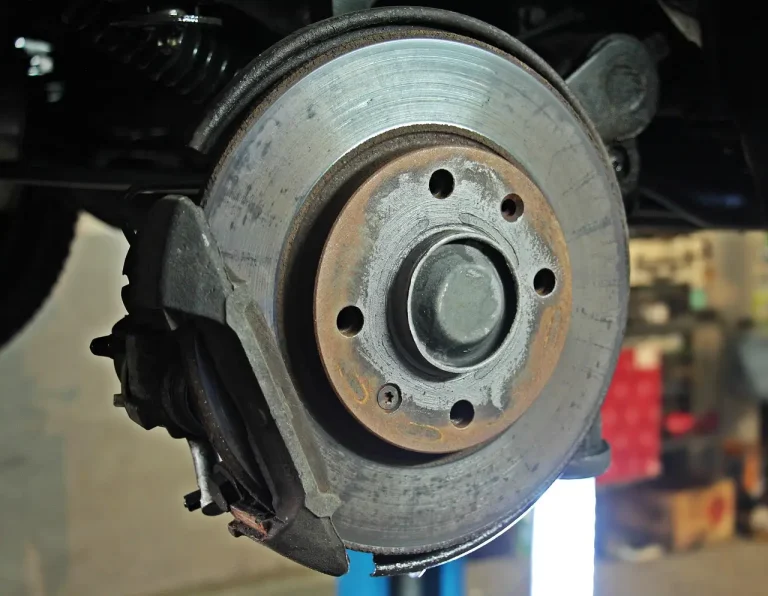
Replace front rotors when they are below minimum thickness, cracked, badly grooved, rusted through the usable surface, or showing heat damage. Resurfacing can still be valid if the rotor is thick enough and the surface damage is minor, but machining is only useful when the finished rotor stays within spec.
Minimum thickness and visible damage
Most manufacturers list a minimum thickness on the rotor. If the rotor is below that mark now, resurfacing is off the table because machining would take it farther out of spec. Cracks, heavy grooves, or hard rust also point to replacement rather than repair.
Heat spots and warping symptoms deserve attention too. A steering wheel shake under braking, pedal pulsation, or visible scoring can signal a rotor that is no longer a good resurfacing candidate. A shop should measure the rotor, not guess.
When machining is still a valid option
Machining can still be reasonable when the rotor has enough thickness left and the surface damage is light. That choice may save money on some older vehicles, but it should never be used to stretch a rotor past its minimum thickness. If the shop recommends machining, ask for the measured thickness and the final thickness after cutting.
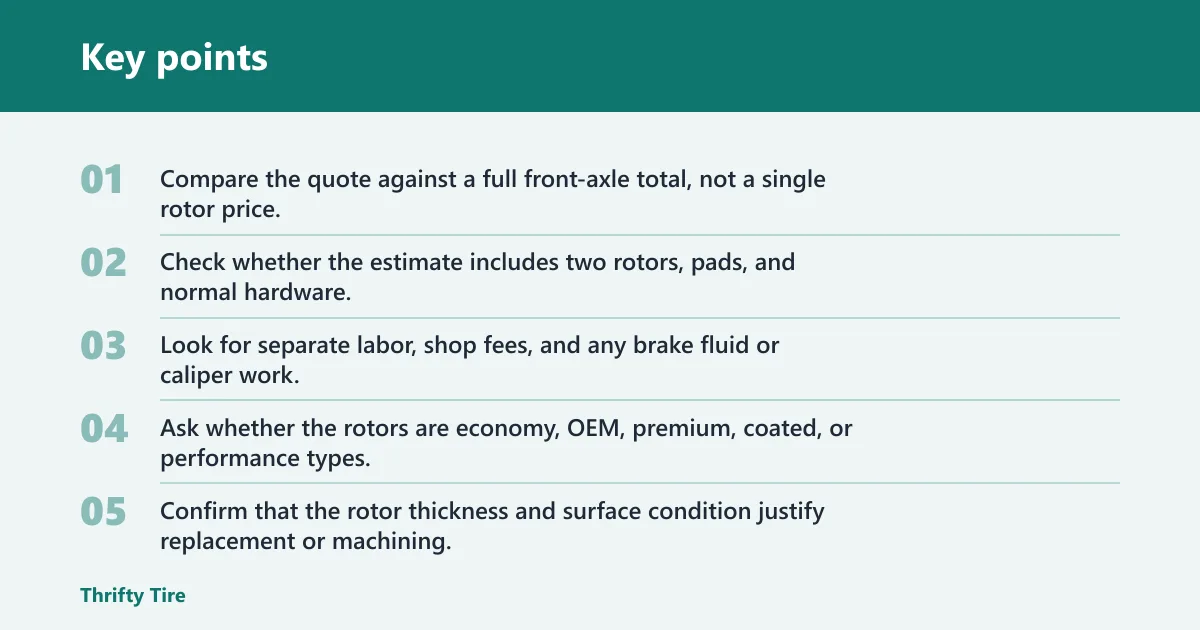
- Compare the quote against a full front-axle total, not a single rotor price.
- Check whether the estimate includes two rotors, pads, and normal hardware.
- Look for separate labor, shop fees, and any brake fluid or caliper work.
- Ask whether the rotors are economy, OEM, premium, coated, or performance types.
- Confirm that the rotor thickness and surface condition justify replacement or machining.
Frequently asked questions
How much does front brake rotor replacement cost?
A fair estimate should show parts, labor, and any added work separately so you can see what is driving the total.
Why is front rotor replacement more expensive than rear?
Front brake work usually costs more because the front axle does more of the stopping, runs hotter, and often uses larger parts. That can mean higher parts prices and more labor time. Front brake service can also include tighter access and more corrosion cleanup than rear work.
What should be included in a front brake rotor quote?
A solid quote should list two rotors, the pad set if replacement is due, labor, and any hardware or shop fees. If it adds caliper service, brake fluid, or sensors, the estimate should explain why. Ask for the front axle total, not just the rotor line.
Is it cheaper to replace pads and rotors together?
Usually yes, because the labor overlap is already there. Replacing pads and rotors together can prevent paying for the same wheel removal and brake disassembly twice. It is also the better choice when the pads are worn enough to damage the new rotors or create uneven braking.
How much labor does front rotor replacement usually add?
Independent shops often sit lower than dealers, while dealer labor can be $150 to $300 per axle. Higher labor rates and harder access can move the total up fast.
Do front rotors cost more on SUVs and trucks?
Yes, often. SUVs and trucks usually need larger, heavier rotors and pads, and that can raise both parts and labor. The quote may also include heavier-duty hardware or more time to handle corrosion and access issues. Compare the estimate against the vehicle class, not a sedan benchmark.
Should I choose OEM or aftermarket front rotors?
Choose based on fit, rotor type, and price. Aftermarket parts can be cheaper than OEM, while OEM may be the safer match when the vehicle has exact fitment needs or sensor-sensitive brake hardware. Premium aftermarket rotors can also cost more than basic OEM-style parts on some vehicles.
When do front rotors need to be replaced instead of resurfaced?
Replace them when they are below minimum thickness, cracked, deeply grooved, rust-damaged, or showing heat spots that will not machine out cleanly. Resurfacing only works if the rotor still has enough thickness after machining. If the shop cannot show the measurement, ask for it before approving the work.