How Much Should Brake Pad Replacement Cost?
About $150 to $350 per axle is a commonly reported brake pad replacement price, and quotes above that deserve a line-by-line check unless they include rotors, sensors, or premium pads. Ignore the breakdown and you can overpay for parts, labor, or rotor work you did not need. This guide shows how to read each quote line item and spot a fair brake price fast.
Why brake pad quotes vary
Brake quotes move because the job is not one fixed part number. The final bill depends on pad material, labor rate, axle location, vehicle design, and whether the quote includes rotors, sensors, hardware, or fluid service. That is why two quotes for the same car can differ a wide margin.
Parts versus labor
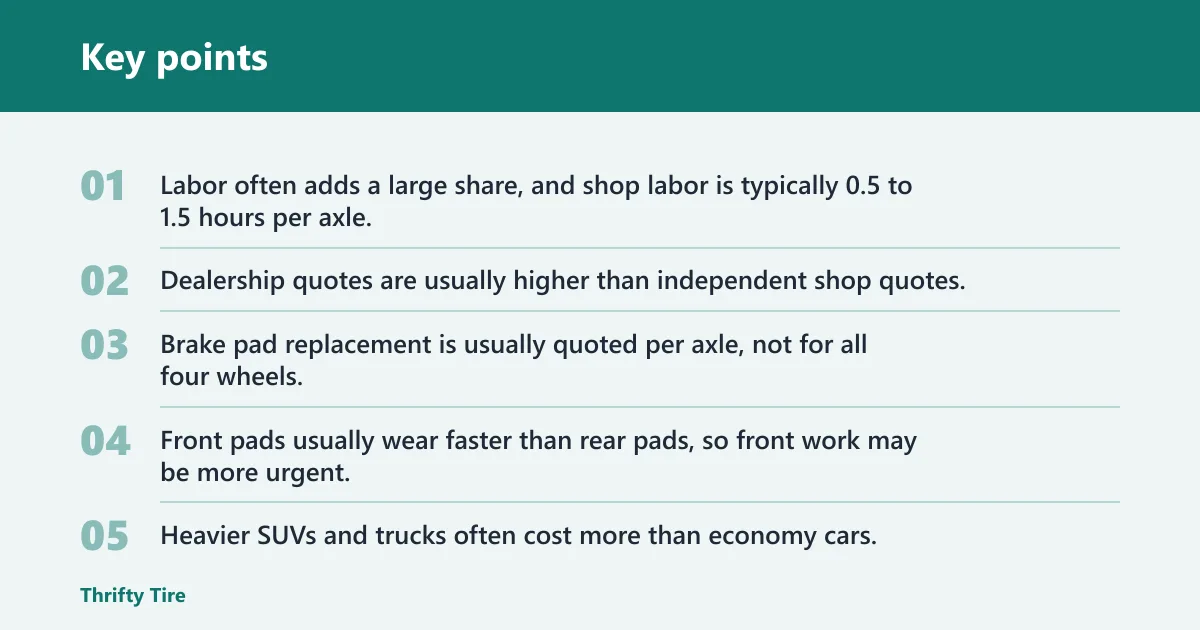
Pad parts are only part of the total. Labor often adds a large share, and shop labor is typically 0.5 to 1.5 hours per axle. Dealership quotes are usually higher than independent shop quotes, partly because of labor rate and partly because some dealers bundle more items into the estimate.
Vehicle type and axle location
Brake pad replacement is usually quoted per axle, not for all four wheels. Front pads usually wear faster than rear pads, so front work may be more urgent. Heavier SUVs and trucks often cost more than economy cars.
Dealer versus independent shop pricing
Two quotes can both be fair and still differ a lot. A dealer may include brand-specific parts, more exact procedures, or extra resets, while an independent shop may quote a simpler pad-only job. Compare the same axle, the same parts quality, and the same included labor items.
Brake quote table
Use this table to compare quotes line by line. A fair quote names the axle, says whether rotors are included, and lists hardware, sensors, fluid service, and labor separately. If those items are hidden inside one number, ask for a written breakdown before you agree.
| Axle | Pad material | Rotors included? | Hardware kit | Wear sensor | Brake fluid service | Labor hours | Red-flag add-ons | Interpretation |
|---|---|---|---|---|---|---|---|---|
| Front | Organic | No | No | No | No | 0.5-1.0 | “Shop supplies” without detail | Fair if total stays near the low end |
| Front | Semi-metallic | No | Yes | Maybe | No | 0.8-1.2 | Unlisted rotor machining | Fair if hardware and labor are named |
| Rear | Ceramic | Yes | Yes | Yes | Maybe | 1.0-1.5 | Electronic parking brake fee without explanation | Needs clarification if the extra steps are not itemized |
| Rear | Ceramic | No | No | No | Yes | 0.5-1.0 | Brake flush sold as mandatory | Fair only if fluid service is truly due |
What is a fair brake pad replacement cost?
A fair brake pad quote usually lands around $150 to $350 per axle for a typical passenger car when the job is pads only and the rotors are reused.
Typical per-axle price range
That range is most useful when it is tied to one axle. Front and rear prices can differ, and the same car can price differently depending on part quality and region.
When a quote should be higher
A quote should climb when the vehicle needs premium pads, a wear sensor, rotor replacement, rear brake procedures, or a higher labor rate. Luxury models and larger vehicles usually cost more, too. A quote that is moderately above the common range can still be reasonable if those extras are clearly listed.
When a quote needs a second look
If a pad-only estimate is close to the price of a full brake job, ask what changed. The estimate may include rotors, hardware, fluid service, or a sensor. If none of those are listed, the shop should explain why the bill is so high before any work starts.
What should a brake pad quote include?
A brake pad quote should name the axle, list pad parts and labor, and say whether hardware, sensors, rotor work, and fluid service are included. Without that detail, you cannot tell whether two estimates are truly comparable. The same total can mean very different jobs.
Pads and labor
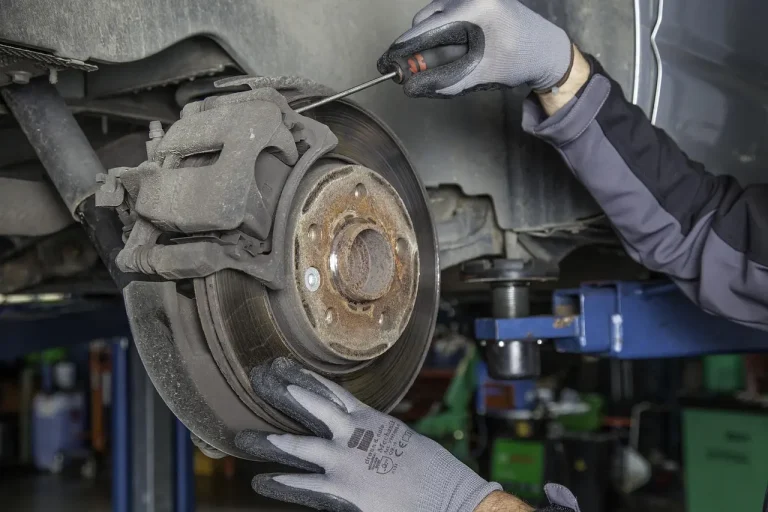
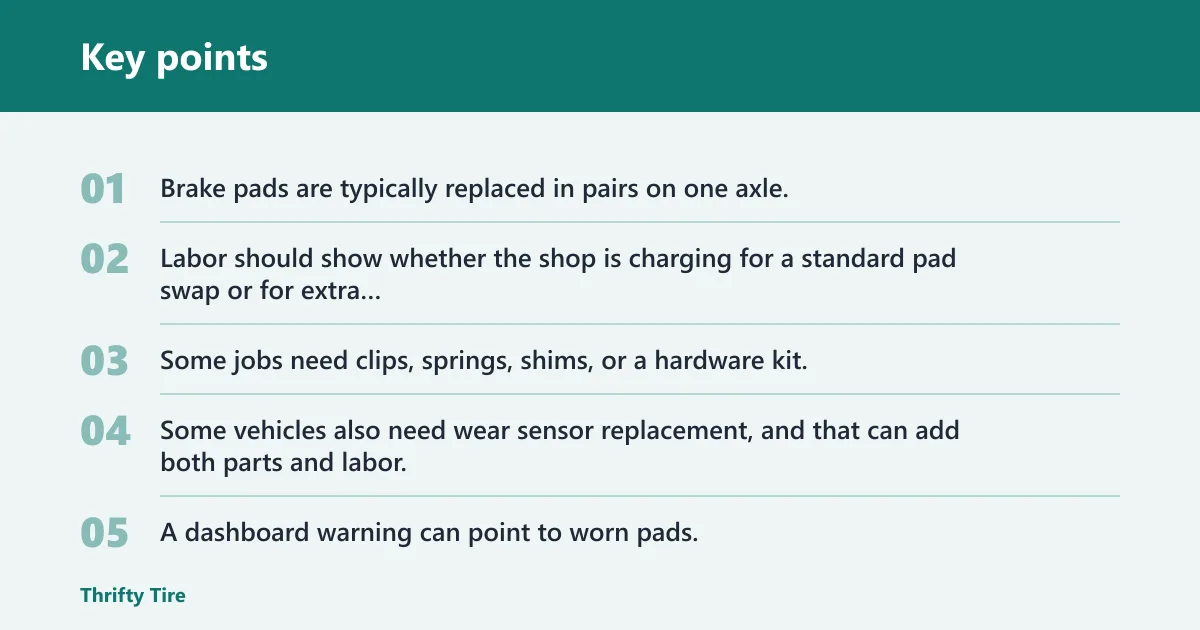
The core line items are pads and labor. Brake pads are typically replaced in pairs on one axle, so a quote that prices only one wheel is incomplete. Labor should show whether the shop is charging for a standard pad swap or for extra steps such as brake caliper work or rear reset procedures.
Hardware kits and wear sensors
Some jobs need clips, springs, shims, or a hardware kit. Some vehicles also need wear sensor replacement, and that can add both parts and labor. A dashboard warning can point to worn pads, but the quote should still say whether a sensor is being replaced or reused.
Brake fluid service and shop fees
Brake fluid service may be bled if needed, but it is not always part of a pad-only quote. Shops may also add disposal fees or supplies. Those costs are normal only when they are named before the work begins. A vague “miscellaneous” line should be questioned.
Do you need rotors, sensors, or fluid service?
Not every brake job needs rotors, sensors, or fluid work. Rotors can often stay on the car if they are within spec, and fluid service belongs on the estimate only when the fluid condition or repair steps call for it. Sensors are vehicle-specific and should never be assumed.
When rotors can stay on the car
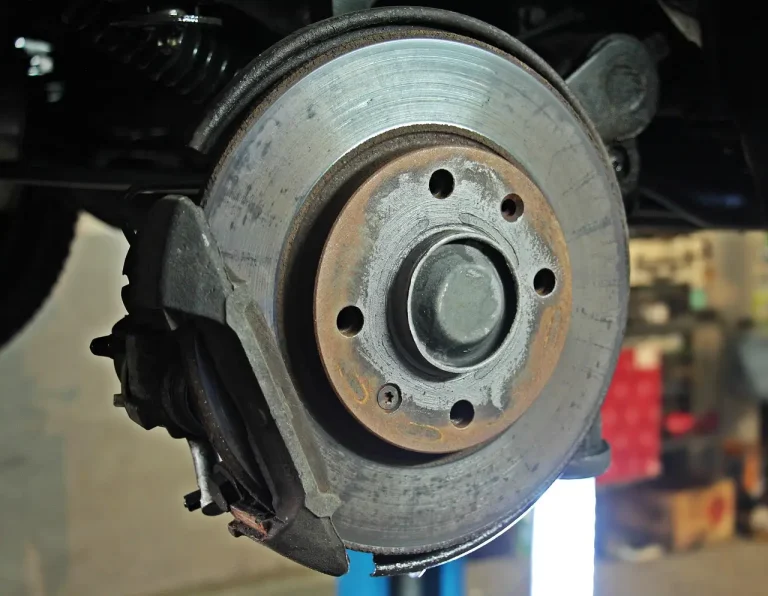
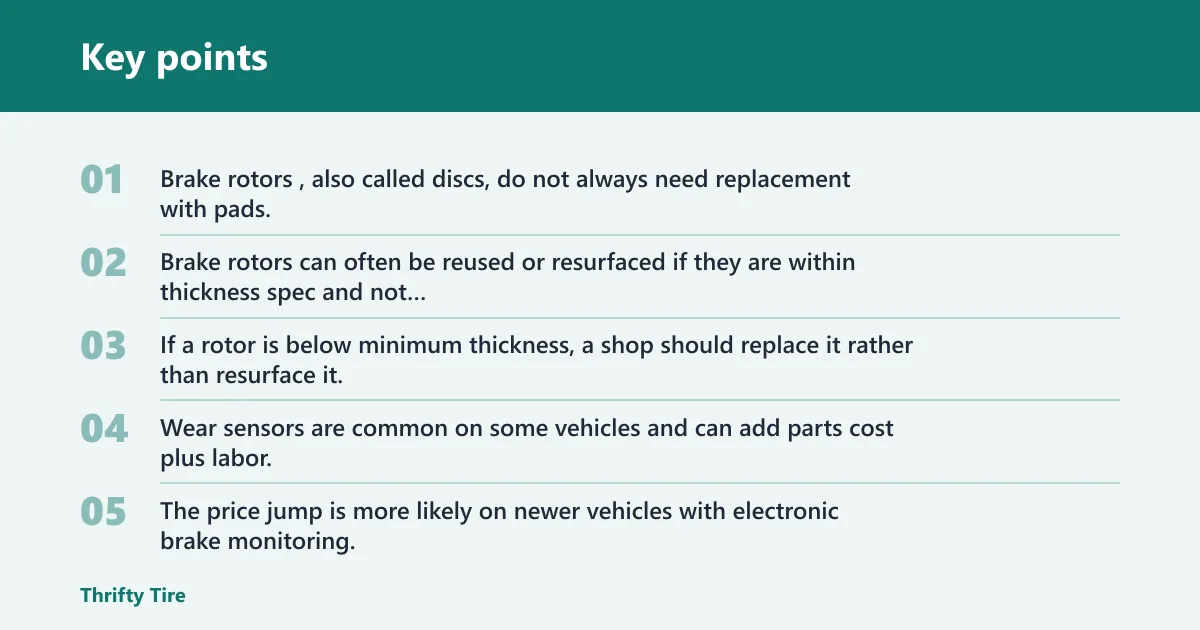
Brake rotors, also called discs, do not always need replacement with pads. Brake rotors can often be reused or resurfaced if they are within thickness spec and not warped, scored, or damaged. If a rotor is below minimum thickness, a shop should replace it rather than resurface it.
When sensors add cost
Wear sensors are common on some vehicles and can add parts cost plus labor. The price jump is more likely on newer vehicles with electronic brake monitoring. If the dash warning is on, ask whether the estimate includes one sensor for the worn axle or a full sensor set.
When fluid service belongs on the estimate
Fluid service belongs on the estimate when the brake fluid is due for replacement, when the system is opened in a way that requires bleeding, or when the shop is correcting a hydraulic issue. It should not appear as a default charge on every pad quote. Ask for the reason if it is listed.
Why front and rear brake jobs cost different
Front and rear brake jobs cost different amounts because they do different work and often use different hardware. Front pads usually wear faster than rear pads, so front service is more common. Rear jobs can cost more on some vehicles because of electronic parking brakes, tighter access, or extra reset steps.
Front pads usually wear faster
Front brakes handle a larger share of stopping force on many cars, so they wear first. That does not mean rear pads are cheap by default. It only means the front axle is usually the first place to check if you hear squeal, feel longer stopping distance, or see low pad material.
Rear jobs can cost more on some vehicles
Rear brake service can take more time when the car uses an electronic parking brake. The calipers may need a scan tool or a special procedure to retract. That extra labor is a real reason a rear quote can run higher than a front quote, even if the pad parts are similar.
How to compare quotes and avoid overpaying
To compare brake quotes fairly, make each shop price the same axle with the same parts and the same labor scope. Ask for the pad material, whether rotors are included, and whether sensors, hardware, and fluid service are separate. A quote that is clear is easier to judge.
- Ask whether the price is for one axle or both axles.
- Confirm whether the quote includes pads only or pads plus rotors.
- Check whether hardware, wear sensors, and brake fluid are separate line items.
- Ask what triggers rotor replacement: thickness, scoring, warping, or damage.
- Compare labor hours, not just the final total.
- Get a second quote if the first one bundles several vague fees together.
Watch for vague add-ons
Be cautious with lines such as “shop supplies,” “service package,” or “recommended cleaning” when they are not explained. Those items may be legitimate, but they should have a purpose. If the quote gets larger without a clear reason, ask for the exact part or procedure tied to the charge.
Frequently asked questions
How much should brake pad replacement cost?
A common brake pad replacement cost is $150 to $350 per axle for a typical car when the job is pads only. The number can rise if the quote includes rotors, wear sensors, hardware, or a higher labor rate. Always check whether the price is for one axle or both.
How much should brake pad and rotor replacement cost?
Brake pad and rotor replacement usually costs more than a pad-only job because you are paying for rotors or discs, extra parts, and more labor. The final total depends on vehicle size, rotor quality, and whether the shop also includes sensors or fluid service. Ask for a separate rotor line.
How much does front brake pad replacement cost?
Front brake pad replacement often costs about $150 to $350 per axle for a typical passenger car when it is pads only, but the price can rise if the quote includes premium pads, rotor work, or added labor tied to the specific vehicle.
How much does rear brake pad replacement cost?
Rear brake pad replacement often costs about $150 to $350 per axle for a typical passenger car when it is pads only, but it may be higher on vehicles with electronic parking brakes or extra reset steps. Rear quotes should say whether the shop is performing a basic pad swap, a sensor replacement, or rotor work that changes the total.
What is included in a brake pad replacement price?
A clear brake pad price should state the axle, pad parts, labor, and any extras such as hardware kits, wear sensors, rotor work, or brake fluid service. If the shop uses one number without detail, ask for a written breakdown so you can compare the estimate with other quotes.
Why is one brake pad replacement quote so much higher?
One quote is often higher because it includes more than pads. Common reasons are rotor replacement, a wear sensor, rear electronic parking brake procedures, premium pad material, or a higher labor rate. If those items are not listed, ask the shop to explain every added charge before approving work.
Are more expensive brake pads better?
More expensive brake pads are not always better; they are often different. Ceramic pads tend to be quieter and cleaner, semi-metallic pads can handle heat well, and organic pads may cost less. The best choice depends on the car, driving style, and whether low dust, low noise, or durability matters most.
What percentage should brake pads be replaced?
Brake pads are commonly replaced when the friction material is near 3 mm, which Car Fix Book lists as a service limit. That is a practical threshold, not a fixed percentage for every car. If you can hear squeal, feel grinding, or notice longer stopping distance, replace soon.
How much does brake pad job cost?
A brake pad job cost depends on whether the shop is doing one axle or all four wheels, and whether the quote includes rotors, sensors, or fluid service. The simplest way to judge it is line by line: parts, labor, and any extras should all be visible before you agree to the repair.