Why Are My Brakes Making Noise When Stopping?
Brake noise when stopping usually means worn pads, glazed rotors, stuck hardware, or a caliper problem; if it’s grinding, scraping, or the pedal feels wrong, park the car and get it inspected now. Ignoring it can turn a simple brake repair into rotor, caliper, or hose damage and lengthen stopping distance. This guide helps you match the sound to the likely cause and decide whether to monitor, book service, or leave the car parked.
Brake noise triage table
| Sound type | When it happens | Most likely cause | Likely severity | Next step |
|---|---|---|---|---|
| Squeal or squeak | Light to moderate braking, often at first stop or after sitting | Worn pads, glazed rotors, dirty brakes, thin lining, missing lubrication, or worn shims | Monitor if the pedal feels normal and the sound is light | Book an inspection soon, especially if it repeats daily |
| Grinding | Hard stops or every stop once wear is advanced | Pad wear low enough for the metal backing plate to contact the rotor | High urgency | Stop driving and arrange service now |
| Rattling | Brake application, then settling as the car slows | Loose or worn brake components, including calipers or shims | Moderate to high, depending on pedal feel and repeatability | Inspect soon; stop driving if the pedal changes or noise is severe |
| Thump or pulse | At the same point in each stop, often felt in the pedal or wheel | Rotor surface unevenness, warping or deformation, or drum issues | Moderate if the pedal is stable; higher if vibration grows | Schedule inspection soon; compare with ABS behavior |
| Post-new-pad noise | First stops after pad replacement | Bedding noise, pad fit issue, missing hardware, rotor prep problem, or contaminated parts | Light noise can be normal; persistent noise is not | Monitor only if the sound fades quickly and braking feels normal |
- Check whether the sound happens only while the brakes are applied.
- Listen for the type of noise: squeal, grinding, rattling, or thump.
- Note whether the pedal changes, the car pulls, or the wheel vibrates.
- Look for fresh fluid, burning smell, or one wheel that feels much hotter after a stop.
- If grinding, fluid loss, or a soft pedal is present, park the car.
Why are my brakes making noise when stopping?
The sound matters because stopping noise points to parts that load only when the brakes clamp the rotor or drum. A squeal often points to pad wear, glaze, or missing anti-noise parts. Grinding points to more advanced wear. A thump or pulse points to uneven rotor or drum contact.
What the sound is telling you
Nationwide groups the most common brake noises into four types: grinding, rattling, thumping, and squeaking or squealing. That split helps because each sound points to a different failure pattern. A sharp squeal during a stop is a different problem from a rough grinding sound that starts after the pedal is pressed.
What matters most is whether the noise appears only under brake pressure. If it does, the likely cause is in the pad, rotor, caliper, shim, or fluid system rather than in the tire or suspension. If the same noise shows up while driving without braking, the diagnosis changes.
When the noise happens matters
Noise that starts at the beginning of braking can point to pad surface issues, dirt, or light rust after sitting. Noise that gets louder as the car slows can point to pad wear or a rotor surface problem. Noise only at the last few feet of a stop sometimes comes from pad movement, caliper hardware, or a rear drum issue.
Front and rear brakes do not always fail the same way. Front brakes do most of the work on many cars, so front pads and rotors often wear sooner. Rear brakes can still squeal, rattle, or thump, especially if the hardware is loose or, on drum setups, the internal parts are worn or out of adjustment.
What squealing usually means
Squeaking or squealing may be caused by worn pads, glazed rotors, dirty brakes, insufficient brake lining, or no lubrication. It can also come from a missing or worn brake shim. A light squeal does not always mean unsafe brakes, but it does mean the system needs attention before the sound turns into damage.
Brake shims help control vibration between the pad and caliper. If shims are missing, worn, or installed wrong, the pad can chatter or squeal under pressure. Dirt buildup, moisture, and light rust after sitting can make the first stop noisy too. That noise may fade after one or two stops if the rest of the system is healthy.
Say your car squeals for the first stop on a rainy morning and the sound disappears by the second stop. That pattern points more toward surface moisture or light rust than toward immediate pad failure. If the same squeal happens every time you brake, the pads, rotors, or shims need inspection.
What grinding usually means
Grinding noises can indicate worn-out brake pads. Nationwide says worn pads may let metal braking plates rub against the rotors. That is a serious sign because the pad material is no longer doing its job. If grinding continues, stopping distance can increase and collision risk can rise.
Grinding is one of the clearest park-it-now thresholds. If the sound is loud and steady, the brake lining may be gone on one or more wheels. The rotor can be damaged too, and continuing to drive can make the repair more expensive by adding rotor replacement to pad replacement.
A common first-timer mistake is assuming a grinding noise will “wear in” after a few stops. It usually will not. If the noise is metal-on-metal, or if the pedal feels lower than usual, park the car and arrange service now.
Why do my brakes make noise after changing them?
Noise after new pads usually points to break-in sound, missing hardware, pad fit, or rotor surface prep rather than a worn-out pad. Light squeal for a short time can be normal. Grinding, constant squeal, or vibration after repair is not a normal bedding pattern and needs inspection.
Normal break-in noise after new pads
New pads can squeak briefly while the pad surface beds to the rotor. That is most likely when the rotor is still serviceable and the braking feel is normal. The sound should fade as the pad and rotor surfaces mate. If it does not fade, something else is wrong.
Do not blur break-in noise with failure. A short-lived squeak after a pad replacement is different from a steady squeal, a pulse in the pedal, or a grinding sound. If the car also pulls, vibrates, or needs more pedal travel than before, the repair needs another look.
Missing hardware, pad fit, or rotor prep issues
Noise after brake work can come from missing or worn shims, loose clips, caliper slide issues, or pad backing plates that do not sit correctly. Rotor grooving, scoring, glazing, or uneven surface contact can also keep new pads noisy. Dirt or corrosion left on the mounting surfaces can do the same.
Suppose the front pads were replaced, but one caliper slide is sticking. The new pads may squeal on one side and wear unevenly in a short time. In that case, the pad replacement itself is not the whole story; the caliper hardware has to move freely for the repair to hold.
Why new brakes squeak when stopping
New brakes squeak when stopping most often because the pad and rotor surfaces have not settled, the hardware is dry or missing, or the rotor finish is rough. Squeak that starts on day one and fades over several stops can be normal. Squeak that persists past break-in needs a closer look.
Brake dust and contamination matter here too. Debris between the pad and rotor, or a thin film of rust after sitting, can create a sharp squeak even on new parts. If the noise returns after every wash, rainstorm, or overnight park, the issue may be contamination rather than pad wear.
Could the noise come from rotors, calipers, or shims?
Yes. Rotors, calipers, and shims can all create stopping noise by changing how the pad contacts the rotor. Rotor grooves or scoring can make the pad chatter. A sticking caliper can hold one pad harder than the other. Missing shims can let the pad vibrate and squeal.
Rotor grooves, scoring, and uneven surface contact
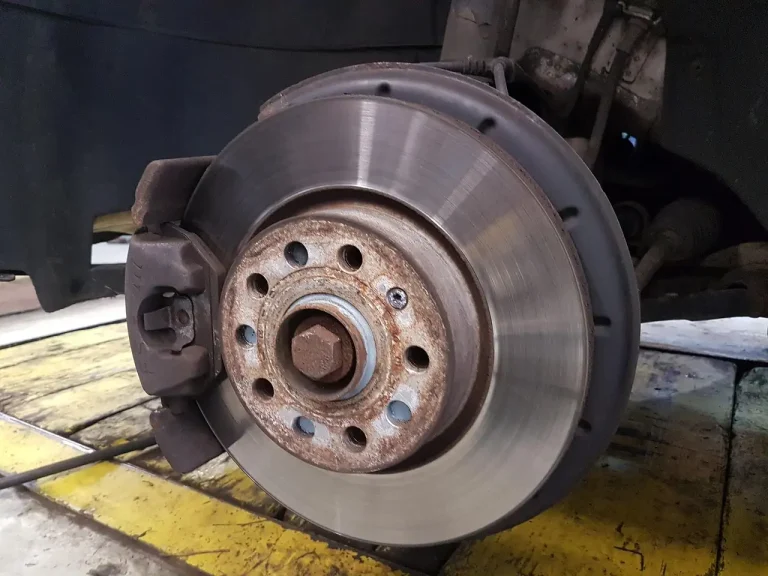
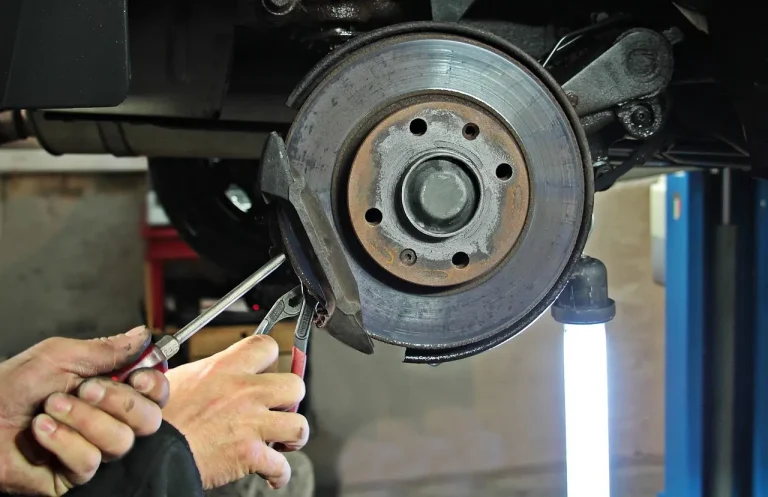
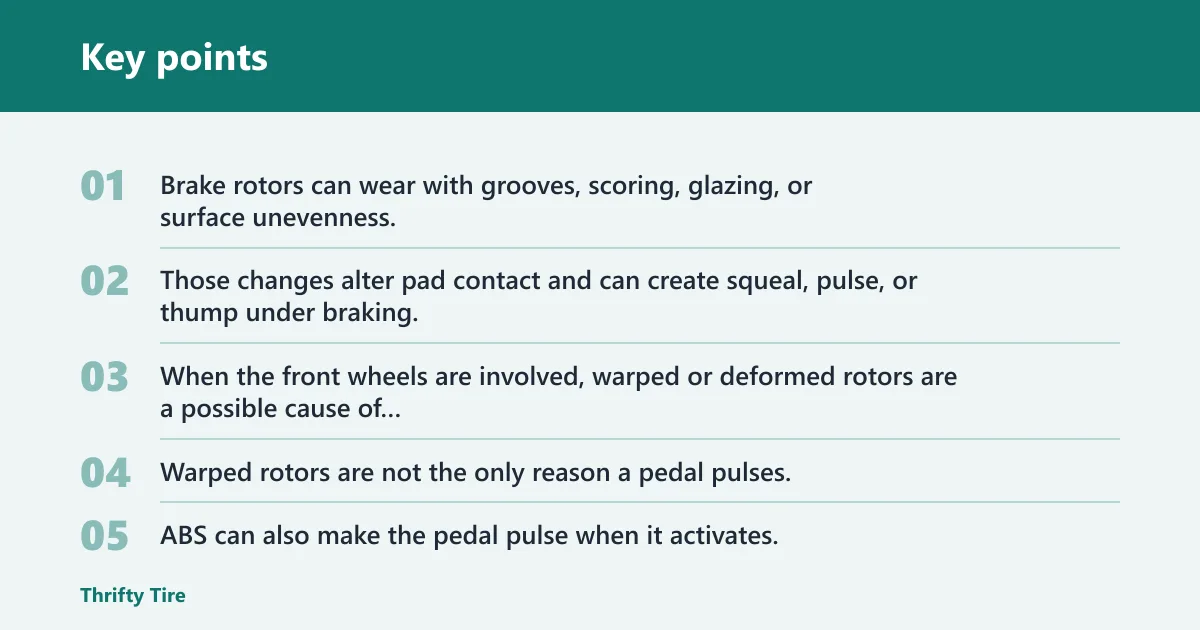
Brake rotors can wear with grooves, scoring, glazing, or surface unevenness. Those changes alter pad contact and can create squeal, pulse, or thump under braking. When the front wheels are involved, warped or deformed rotors are a possible cause of thumping or pedal pulsation.
Warped rotors are not the only reason a pedal pulses. ABS can also make the pedal pulse when it activates, and a wheel-speed fault can change how the system behaves. A rough, repetitive pulse that appears only during hard stops on slippery pavement may be normal ABS action. A pulse at most stops on dry pavement may point more toward rotor or drum issues.
Caliper slide problems and loose hardware
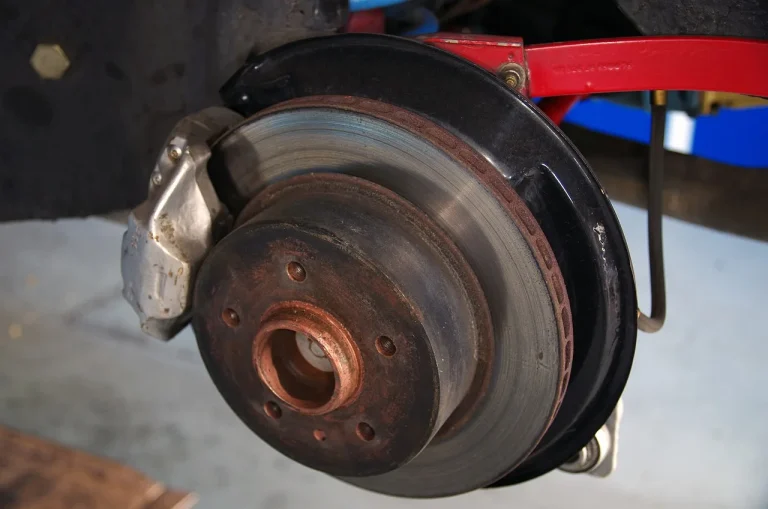
Calipers apply the brake pads to the rotor. If the caliper is sticking, or if the slide and mounting parts are loose or worn, the pads may contact unevenly and make noise. Nationwide includes loose calipers in rattling-related possibilities, along with worn pads and brake shims.
Uneven pad pressure can also create heat, noise, and odd wear on one side of the rotor. That is why one noisy wheel is useful information. If the sound seems to come from the left front every time, the problem is more likely localized there than in the whole system.
Shim wear or missing anti-noise parts
Brake shims reduce vibration between the pad and caliper. If they are missing, worn, or installed incorrectly, squeal and rattle become more likely. That can happen after a repair if the hardware kit was incomplete or if old shims were reused when they should have been replaced.
Rattling may indicate loose or worn brake components. That includes brake shims and caliper hardware, especially if the noise appears only while stopping and then disappears as soon as the brake is released. A quiet brake job needs the pad, shim, clip, and slide parts to work together.
Disc versus drum differences
Disc brakes usually make noise from pads, rotors, calipers, or shims. Drum brakes can make thumping or rubbing noise from internal shoes, springs, or hardware. If the rear axle has drums, a stop-only thump may point to a drum issue rather than a rotor issue, even if the front brakes are fine.
That difference matters because the wrong assumption wastes time. A rear drum brake that is out of adjustment can act differently from a front disc brake with scored rotors. The sound and the wheel location together tell the better story.
When should you stop driving?
Stop driving now if the noise is grinding, if the brake pedal feels soft or spongy, if the car pulls sharply, or if you smell burning from a wheel. Those combinations suggest a brake fault that can worsen quickly. A steady squeal without pedal change is less urgent, but it still deserves prompt inspection.
Grinding plus pedal change
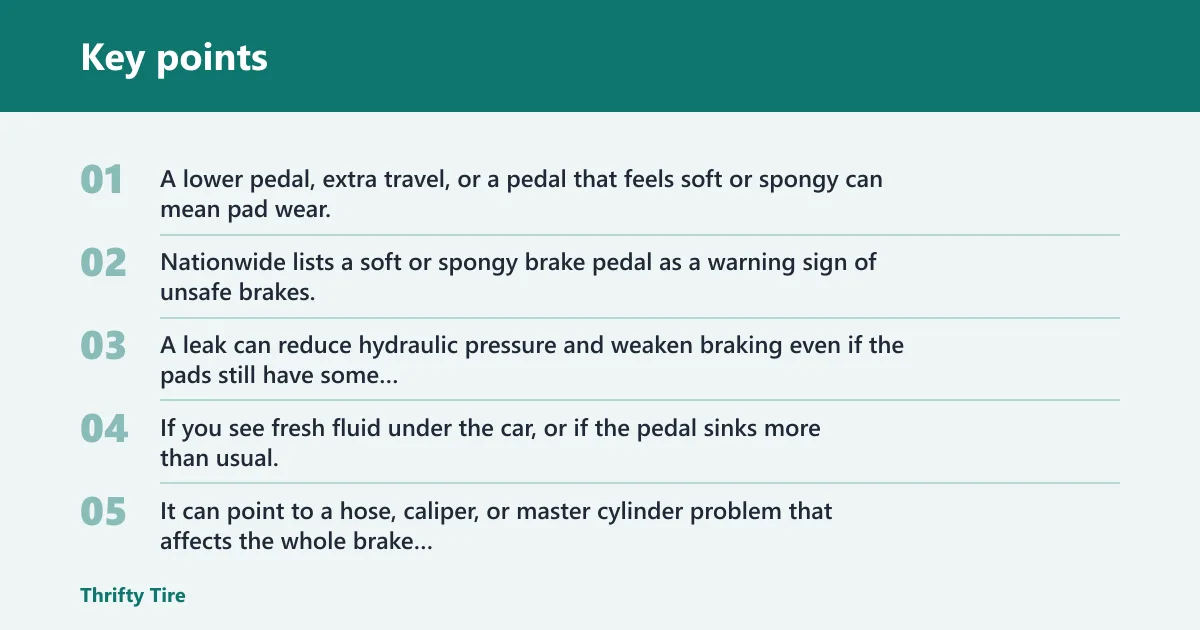
Grinding on its own is serious. Grinding plus a changing pedal is worse. A lower pedal, extra travel, or a pedal that feels soft or spongy can mean pad wear, fluid loss, or a hydraulic problem. The same source lists a soft or spongy brake pedal as a warning sign of unsafe brakes.
Brake fluid problems change the risk level. A leak can reduce hydraulic pressure and weaken braking even if the pads still have some life left. If you see fresh fluid under the car, or if the pedal sinks more than usual, do not keep driving to “test it one more time.”
Fluid leak, pulling, or burning smell
A fluid leak is not a noise-only issue. It can point to a hose, caliper, or master cylinder problem that affects the whole brake circuit. Pulling during braking can mean one side is working harder than the other. A burning smell can mean a dragging caliper or overheated brake parts.
Those symptoms together justify a stop-now decision. Noise plus smoke, a strong odor, or repeated pulling means the issue has moved beyond a simple squeal. At that point, the car needs a diagnosis before the next trip.
ABS pulse versus brake fault
ABS can commonly cause a pulse or vibration during hard braking, especially on slick pavement or gravel. That is normal when the system is doing its job. If the pulse happens only in that situation and the brake warning light is off, the sensation may be expected rather than a fault.
If the vibration happens on dry pavement during normal stops, or if the ABS light is on, the system needs inspection. A wheel-speed sensor fault can also change ABS behavior. The key question is whether the pulse matches a hard-stop, low-traction event or whether it appears at every stop.
What to tell the shop first
Start with the exact sound and the exact moment it happens. Say whether it is squeal, grinding, rattling, or thump. Tell the shop whether it happens only when cold, only after rain, only in the front, only in the rear, or only at the end of a stop. Mention any pedal change, fluid loss, pulling, or smell.
Before wheel removal, a technician can often rule out contamination, obvious hardware issues, low fluid, and some ABS-related behavior. That shortens the diagnosis. It also helps separate a pad-and-rotor issue from a caliper or fluid issue that needs different parts.
Inspection timing matters even when the noise is mild. Brake inspections should happen at least once a year, and sooner if symptoms appear. If the sound is persistent, severe, or paired with pedal changes, a professional diagnosis is the right next step.
Frequently asked questions
Why do my brakes make noise when braking?
Braking loads the pads, rotors, calipers, and shims together, so that is when hidden wear shows up. Noise during braking can come from contamination, rust after sitting, missing lubrication, or uneven pad contact. If the noise only appears while the brake pedal is pressed, the brake hardware is the first place to look.
Why do my brakes make grinding noise when stopping?
Grinding noise when stopping usually means the pads are worn low enough for the metal backing plate to touch the rotor. That is a high-urgency sign. The same source says continuing to drive can increase stopping distance and collision risk, so the car should be inspected and likely parked now.
Why are my brakes making a loud noise when I stop?
A loud stop-only noise can come from severe pad wear, loose caliper hardware, missing shims, or a damaged rotor surface. Loud grinding is the most urgent version. Loud squeal is less urgent, but if it repeats every stop or comes with pedal change, it still needs prompt service.
Why are my brakes making noise after changing them?
After new pads, light squeal can come from normal bedding, but persistent noise often means hardware was left out, the shims are worn, or the rotor surface was not prepared well. If the sound does not fade quickly, or if the braking feel changed, the repair needs a recheck.
Should I keep driving if my brakes squeal when I stop?
If the squeal is light, the pedal feels normal, and the noise fades after a short bedding period or after sitting in moisture, you may be able to monitor it briefly. If the squeal is constant, loud, or joined by vibration, pulling, or a soft pedal, book service right away.