Brake Noise: Causes, Fixes, and When to Worry
Brake noise is harmless only when it fades within a few stops after rain, cold weather, or new pads. Grinding, persistent squealing, or any noise with vibration means the brakes need attention soon. This guide matches squeaks, squeals, grinding, clicking, scraping, and thumps to likely causes, tells you what to watch, and shows when to book service or stop driving.
Use the sound as a starting point, not the whole diagnosis. The useful clues are when it happens, whether it changes with pedal pressure, speed, steering input, bumps, or reverse, and what comes with it: pedal pulse, pull, smoke, hot smell, warning lights, or steering shake.
What brake noise is really telling you
Sound alone is not enough
Brake noise points you toward a fault, but it does not identify one by itself. A squeal can mean the pad wear indicator is touching the rotor, but it can also come from pad compound, glazed friction material, rusty rotor faces, or missing anti-noise hardware.
Ferodo says brake noise often starts from vibration in the wheel-end area. It lists squeal as a medium-frequency vibration from 300 to 5,000 Hz and squeak as a high-frequency vibration above 5 kHz. That matters because many brake noises come from parts vibrating together, not from one failed part acting alone.
Why timing changes the diagnosis
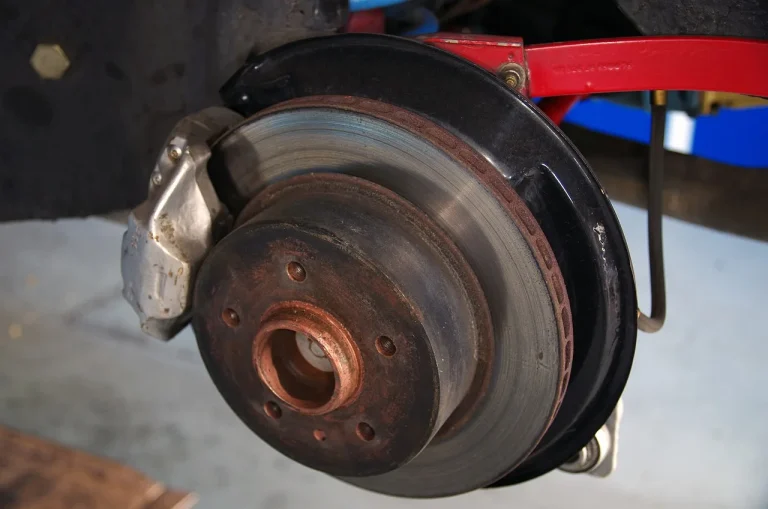
Noise on the first stop of the day points in a different direction than noise only under light pedal pressure, only in reverse, or only after a recent brake job. Light scrape after rain or overnight parking is often just rotor surface rust being cleaned off in the first few stops.
Noise while coasting with no pedal can be a wheel bearing, tire pattern, backing plate contact, or a parking-brake issue inside a rear drum-in-hat setup. Noise over bumps points more toward loose brake hardware or suspension play. Noise only under hard braking raises the odds of pad movement, rotor condition, ABS activity, or front-end looseness that braking load makes easier to hear.
The parts most often behind the noise
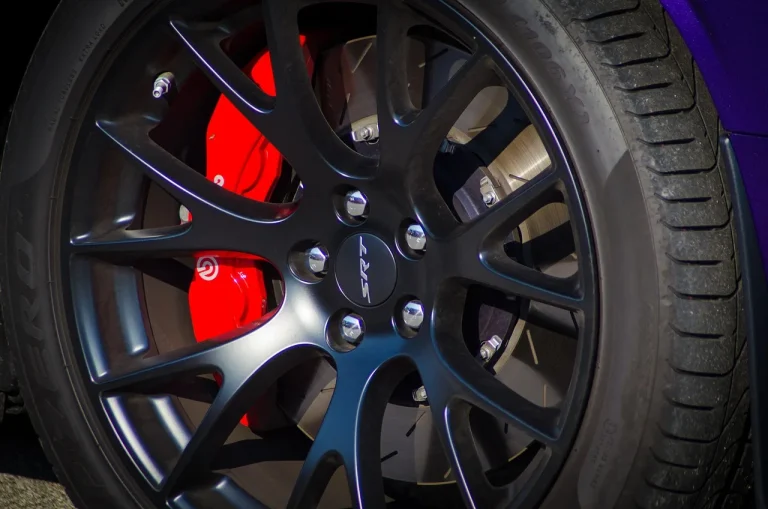
Most brake noise comes from a short list of loaded, moving parts: pads, rotors, calipers, slide pins, and the small clips and shims that keep the pads aligned. Knowing what each part does makes the sound easier to sort.
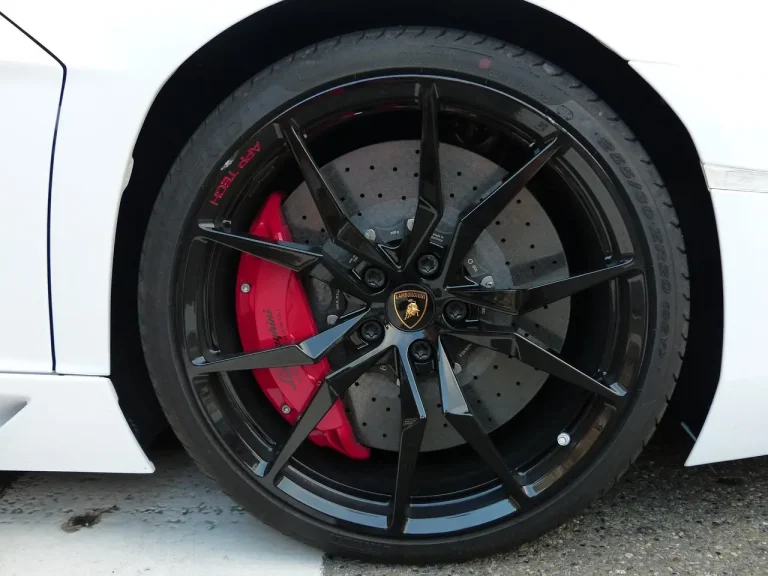
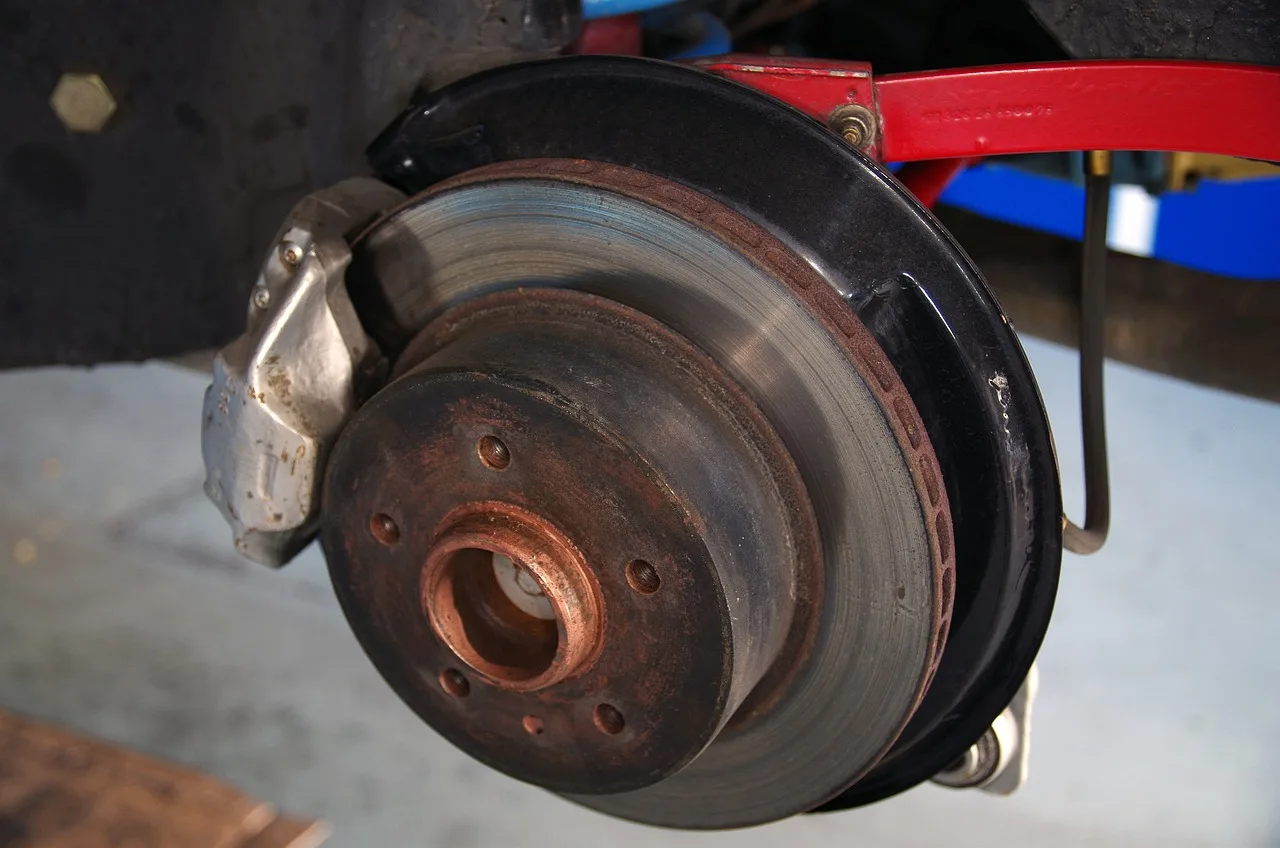
The brake rotor is the metal disc squeezed by the pads. If the friction material wears away and the metal backing plate contacts the rotor, grinding can groove the disc quickly and turn pad-only work into pads-plus-rotors service.
The caliper pushes the pads against the rotor. A sticky piston can keep one pad dragging. Loose caliper bolts can create clunks. Caliper slide pins must move freely and stay lubricated; if water gets past torn boots, corrosion can seize the pins and cause tapered pad wear, drag, and noise.
Brake hardware and shims matter too. Anti-rattle clips, pad abutment clips, and shims control movement and vibration. Wrong hardware, reused damaged shims, or poor fitment can cause squeal after a brake job even when pad thickness is still fine.
Brake noise decision table
| Sound | When it happens | Likely causes | What is normal | What is urgent | Next check to request |
|---|---|---|---|---|---|
| Squeal | Light pedal, low speed, sometimes only warm or cold | Pad wear indicator touching rotor, glazed pads, rotor surface condition, low-dust pad compound, missing shims or clips | Brief noise after rain, wash, or cold start that fades | Persistent squeal with thin pads, warning light, pull, or reduced stopping | Measure pad thickness, inspect wear indicator, shims, clips, and rotor face |
| Grinding | Pressed pedal, often constant near stop; sometimes while coasting if debris is trapped | Metal backing plate on rotor, rotor damage, debris at backing plate, rust scale | Almost never normal beyond a brief rust scrape | Any true metal-on-metal grind, especially with poor stopping, smoke, or hot wheel smell | Check pad remaining material, rotor grooves, backing plate clearance, and caliper movement |
| Click or clunk | First pedal apply, reverse-to-drive change, low-speed stop, bumps | Loose pad hardware, pad shifting in bracket, worn abutment clips, loose caliper bolts, slide pin issues | A very light single click after pad service can settle briefly | Repeated clunk with steering change, pull, or over-bump rattle | Inspect pad fit, anti-rattle hardware, caliper bracket bolts, and slide pin free movement |
| Pulsation or judder | Pedal pressed, usually from moderate highway-speed braking | Rotor thickness variation, uneven pad transfer, front-end sensitivity, heat spotting | ABS thud only during hard or low-traction stops | Pulse plus steering shake, long stops, or repeated vibration every stop | Measure rotor condition and runout, inspect pad deposits, check front suspension for looseness |
| Morning rust scrape | First few stops after rain, washing, or overnight parking | Surface rust film on rotor, lightly rusted drum-in-hat parking brake area, EV or hybrid friction brakes used less often | Noise fades within a few stops | Noise stays after several stops or turns into grinding or pull | Confirm rust cleanup, inspect rear parking-brake hardware if rear scrape stays |
| Post-brake-job noise | Right after new pads or rotors, often light braking or reverse | Bedding-in, transfer layer forming, coated rotor faces cleaning off, pad edge contact, poor hardware fitment | Short-term light squeak or scrape that improves quickly | Noise that grows worse, repeats after every drive, or comes with vibration | Recheck hardware, shims, rotor finish, pad fit, caliper slides, and torque on mounting bolts |
| Hum or growl | Changes with road speed more than pedal pressure; often changes in turns | Wheel bearing, tire pattern noise, hub issue | Not a normal brake sound | Growl that gets louder with speed or steering load | Separate road-speed noise from brake-apply noise; inspect wheel bearing and tire condition |
Why are my brakes making noise?
Start with one triage question: does the sound follow the brake pedal, the wheel speed, or body movement over bumps and turns? Pedal-related noise usually means pads, rotors, calipers, or hardware. Noise that follows speed or steering load can be a lookalike such as a wheel bearing or tire. Noise on the first stop of the day often points to rust film or moisture.
Noise only on the first stop of the day
Kwik Fit notes squeaking can be normal after rain because of water on discs and pads. A light scrape or hiss for the first stop or two is common after overnight parking, a wash, or damp weather because the rotor surface can pick up a thin rust film.
EVs and hybrids can do this more often. Regenerative braking reduces use of the friction brakes, so the rotor can keep a light film longer, especially at the rear.
If the noise fades quickly and the pedal feels normal, that is usually a monitor situation. If it keeps scraping after several stops, pulls to one side, or comes from one hot wheel, move it to the inspect-soon column.
Noise only when the pedal is pressed
This is where true brake faults move to the top of the list. When the pedal is applied, the caliper pushes the pads into the rotor, and any problem with pad thickness, rotor finish, shims, clips, caliper slide pins, or piston movement gets loaded and heard.
A brake wear sensor may help on some European cars before any sound starts. Many European vehicles use a sensor wire in the pad that can trigger a dash light before an audible warning. Those same brands are also known for dusty pads, and low-dust replacements can change cold squeal behavior.
Noise in reverse, at low speed, or over bumps
Reverse can change pad angle in the bracket and make loose hardware show up. A click when braking can point to loose pad hardware. Low-speed click or clunk can also come from pads shifting on worn abutment clips or from a caliper bracket with loose mounting bolts.
Noise over bumps, especially if it happens without pedal input, is less likely to be friction material itself. Think loose hardware, caliper movement, sway bar links, strut mounts, or a brake pad rattling in the bracket.
Picture a rear brake that clicks only in the last stretch of a parking maneuver, then stays quiet at road speed. That pattern fits pad movement or hardware fitment much better than a wheel bearing.
Noise after new pads or rotors
Some short-term noise is expected while new parts bed in, coated rotor surfaces clean off, and the pad transfer layer forms on the rotor face. That should sound light and get better, not worse.
If noise starts right after a brake job and stays the same every drive, ask for the hardware to be rechecked. Wrong or missing shims, reused clips, seized slide pins, or a rotor surface problem can all keep new parts noisy.
What to check when brakes are noisy while cruising
If your brakes make noise with the pedal released, the usual causes are worn pads, a bent dust shield, a sticking caliper, rotor rust or grooves, or debris caught near the wheel. The key is to notice how the sound behaves: grinding, speed-related noise, or a sound that suddenly gets worse points to a problem that should be inspected soon. The supporting guide on brake noise causes explains how to separate brake-related faults from lookalike noises, so you can judge whether the issue is minor, urgent, or a sign of a part that may be damaging the rotor or tire.
What does squealing brakes mean?
Squealing usually means pad vibration. The key is deciding whether it is a warning, a material trait, or a fitment issue. Thin pads with a wear indicator, glazed surfaces, low-dust compounds, rusty rotors, and missing anti-noise hardware can all squeal, but they do not carry the same urgency.
Thin pads and the wear indicator tab
A squeal can mean the pad wear indicator is touching the rotor. That indicator is a small metal tab built into the pad. When the friction material gets thin, the tab contacts the rotor and makes a warning squeal before metal-on-metal grinding starts.
If a dash wear light is on and the vehicle uses pad sensors, do not wait for noise. Sensor-equipped imports may warn before the tab ever touches the rotor.
Glazed pads, rotor finish, and pad compound noise
Not every squeal means the pad is worn out. Glazed pads, a polished rotor face, or a pad compound that is noisy when cold can squeal even with good thickness remaining. Low-dust compounds on some imports can trade cleaner wheels for more cold squeal or different break-in behavior.
If the squeal happens only for the first few neighborhood stops on a cold, dry morning, then disappears for the rest of the drive with no pull and no pulse, that pattern points more toward pad compound or surface condition than a hard failure.
Shims, clips, and fitment problems
Brake shims and hardware are anti-noise parts. Missing abutment clips, broken retainers, reused damaged shims, or pads that fit too loosely in the bracket can let the pad vibrate or shift. The same source recommends cleaning and lubricating caliper components to solve some noise issues, and that includes the contact points where the pad ears and hardware are meant to move smoothly.
Slide pins deserve special attention. They must move freely and stay lubricated. Water ingress through damaged boots can corrode the pins, hold one pad against the rotor, and wear the pads into a tapered shape that squeals and drags.
When squeal is safe to monitor and when it is not
Monitor brief squeal after rain, cold starts, or a recent pad change if it fades within a few stops and there is no pulse, pull, smell, or warning light. Book service soon if the squeal is persistent, one-sided, paired with a wear light, or comes with heat or uneven braking.
What does grinding brakes mean?
Grinding is high urgency because it often means the friction material is gone and metal is contacting the rotor. It can also come from trapped debris or rust scale, but true metal-on-metal grinding damages the rotor quickly and can reduce stopping ability enough to justify stopping the vehicle.
Metal-on-metal pad wear
Grinding often means the metal backing plate is rubbing on the rotor. The same source says grinding usually means you no longer have brake pads. Once that happens, rotor grooves deepen fast and the repair often moves from pads only to pads plus rotors.
The rotor is the metal disc squeezed by the pads. When bare steel backing plates cut into it, the disc face can be deeply scored and heat-marked, leaving little value in saving it.
Rotor damage and backing plate contact
Grinding is not always from worn pads. A bent dust shield or backing plate can rub the rotor and make a lighter scrape or grind. Rust scale around the rotor hat or parking-brake hardware in a rear drum-in-hat setup can also mimic a bad rear brake.
Even so, the safe assumption is to inspect before driving farther. A quick look can separate a bent shield from a rotor being destroyed.
Debris, rust scale, and other grinding lookalikes
A small stone caught between backing plate and rotor can create a sharp metallic scrape that changes with wheel speed, sometimes even with no pedal input. Morning rust noise tends to fade. Debris noise often changes suddenly. Metal-on-metal wear stays and usually gets worse.
Say your front right wheel starts scraping after driving through loose gravel, but the brake pedal still feels normal and the sound changes with wheel speed even while coasting. That points more toward trapped debris than a worn-out pad, though it still needs inspection.
When grinding means stop driving
Stop driving if grinding comes with reduced stopping power, a pull to one side, smoke, a hot wheel smell, a sinking pedal, visible fluid leak, or severe shake. Those combinations raise the chance of rotor damage, a sticking caliper, or hydraulic trouble rather than a mild surface issue.
Why do my brakes click, clunk, or rattle?
Clicks and clunks usually mean movement where there should be tight control. Loose pad hardware, worn abutment clips, pads shifting in the bracket, loose caliper bolts, or seized slide pins are common brake causes. If the noise also appears over bumps without pedal input, suspension or steering parts move higher on the list.
Loose pads, clips, and anti-rattle hardware
A click when braking can point to loose pad hardware. Pads should slide with control, not jump in the bracket. Broken retainers, worn anti-rattle clips, or pads with poor fit can create a click on initial apply and another on release or reverse.
Caliper bolts, brackets, and slide pin problems
The caliper body and bracket must stay rigid. Loose bracket bolts can clunk. A seized slide pin can force one pad to do most of the work, then release with a snap as braking load changes. Damaged pin boots let in water, and corrosion can turn a small click into uneven wear, drag, and heat.
Suspension and steering noises that mimic brake clunks
If the sound is strongest over driveway aprons or potholes and only seems louder during braking because the nose dives, check beyond the brakes. Ball joints, tie-rod ends, control-arm bushings, and sway bar links can all sound like brake hardware at low speed.
Why does my steering wheel shake when I brake?
Steering shake under braking usually points to front brake rotor condition or to suspension looseness that braking makes obvious. A pulse in the pedal often means rotor thickness variation, uneven pad transfer, or another repeating change at the rotor face rather than one simple cause.
Rotor thickness variation and uneven pad deposits
The same source says judder can be caused by disc thickness variation. That is often more precise than saying every shaking brake rotor is warped. Uneven friction transfer on the rotor face can also create a repeating pulse as the pads pass over high-friction spots.
If the steering wheel shakes more than the pedal pulses, front axle sensitivity and suspension condition need a look too.
Front brake issues versus rear brake issues
Front brake problems are more likely to shake the steering wheel. Rear brake issues more often send a vibration through the seat or body. A hard pull under braking can point to a dragging front caliper, contaminated pad, or uneven hydraulic action.
When vibration points beyond the brake system
If the wheel shakes over bumps, at cruise, or in turns with no brake input, the brake rotor is probably not the whole story. Tire balance, hub runout, bent wheels, and worn suspension joints can amplify what feels like a brake problem.
Could the noise be something other than the brakes?
Yes. Some noises that seem like brakes can actually be a wheel bearing, and quick ABS thuds during hard stops are often normal system operation. The fastest way to sort it out is to ask whether the noise follows pedal input, road speed, steering load, or bumps.
Wheel bearing hum or growl
A wheel bearing usually hums or growls with road speed more than with brake pressure. It often changes when the vehicle loads one side in a curve. Brake noise usually changes most when the pedal is applied.
If a hum gets louder at highway speed whether braking or not, and changes during a lane change, think bearing or tire first. If the sound arrives only with light pedal pressure near a stop, think brake hardware or pad contact first.
ABS thuds and pedal feedback
ABS can make quick thuds, buzzing, or rapid pedal feedback during hard stops, low-traction events, or steep descents. That is not a brake fault by default. It is the system cycling pressure to keep the wheels from locking.
The cue is context. If it happens only in a panic stop or on a slick downhill driveway, ABS is a likely answer. If it happens in every normal stop on dry pavement, the system needs diagnosis.
Tire, hub, and suspension noises that mislead diagnosis
- Note the trigger. Drive at the same low speed on a smooth road and then apply the brake lightly. If the sound appears only with pedal input, keep the focus on pads, rotors, calipers, and hardware.
- Compare coasting noise. Coast at the same speed with no brake input. A hum or growl that stays the same while coasting points more toward a wheel bearing or tire than a brake pad.
- Add steering load. Make a gentle left and right lane change where safe. Bearing noise often changes with steering load; brake squeal usually does not unless the brake pedal is also changing.
- Listen over bumps. Roll over a small bump at parking-lot speed without braking. A rattle or clunk there points more toward loose hardware or suspension than the friction material itself.
- Check for heat or smell. After a short drive, a single hot wheel or burnt smell raises the odds of a dragging caliper or seized slide pin. That is a brake issue until proved otherwise.
Why do brakes make noise after a brake job?
Some brake noise after new pads or rotors is normal for a short window, especially light squeak, hiss, or scrape while the pad transfer layer forms and coated rotor surfaces clean off. Persistent noise, repeated clicking, or vibration after service points more toward hardware fitment, slide-pin problems, or rotor condition.
Normal bedding-in and rust-film cleanup
Fresh pads need a transfer layer on the rotor face. During that period, light noise can appear during gentle stops, especially when cold or in reverse. A rotor with a storage coating or a vehicle parked overnight after service can also make a brief cleanup scrape on the first few stops.
Incorrect hardware, shims, or pad fitment
Post-repair noise that does not improve deserves a hardware check. Pads that bind in the bracket, missing abutment clips, damaged shims, or low-quality fitment can create squeal right away. So can caliper slide pins that were not cleaned and lubricated properly.
Rotor condition, machining choices, and pad transfer
Old rotors with grooves, hot spots, or thickness variation can keep new pads noisy. Even a fresh rotor can produce judder if there is hub contamination, mounting runout, or uneven transfer from repeated hard stops before bedding is complete.
A common mistake is assuming a brief squeal after overnight rain means the brakes are failing. If the sound is joined by pulse, steering shake, or one-sided heat, the issue is more likely in rotor condition, hardware seating, or caliper movement.
What to ask the shop to recheck
Ask for a short, specific inspection list instead of a vague “look it over.” That keeps the diagnosis tied to the symptom pattern.
- Pad thickness and wear pattern on inner and outer pads
- Rotor face condition, grooves, heat marks, and thickness variation signs
- Caliper operation, including piston return and even pad contact
- Caliper slide pin movement, lubrication, and boot condition
- Pad hardware, shims, clips, and bracket fit
- Brake wear sensor status where fitted
- Confirmation that the noise is brake-related and not a wheel bearing, tire, or suspension issue
When to monitor, book service, or stop driving
Usually normal or short-term noises
Monitor brief morning scrape after rain, a short squeak from new pads, or occasional ABS thuds during hard stops if the noise fades quickly and there is no pull, no pulse, no smell, and no warning light.
Book an inspection soon
Book service for persistent squeal, a recurring click at each stop, a light grind that does not disappear, post-brake-job noise that stays beyond the first drives, or any brake warning light on a vehicle with wear sensors. This is also the point to ask whether the fix is likely pad service, pads and rotors, hardware replacement, caliper work, or separate diagnostic time for a bearing or suspension issue.
Do not keep driving
Do not keep driving with metal grinding, severe pulsation, steering instability under braking, smoke, a hot wheel smell, fluid leak, or a sinking pedal. Those combinations can mean damaged rotors, stuck calipers, or hydraulic trouble that should be inspected immediately.
Frequently asked questions
Why my brakes make noise when pressed?
Noise when the pedal is pressed usually points to pads, rotors, calipers, or hardware because those parts are loaded only during braking. Thin pads, a wear indicator tab, rotor surface issues, sticky slide pins, or loose clips are common causes. Add urgency if there is pull, pulse, heat, or a warning light.
Is it safe to drive with grinding brakes?
No, not for routine driving. Grinding can mean pad material is gone and metal is cutting the rotor. If the noise comes with reduced stopping, pull, smoke, hot smell, fluid leak, or severe shake, stop driving and arrange inspection instead of trying to make it home.
How can I tell if brake noise is from the brakes or a wheel bearing?
Brake noise usually changes with pedal pressure. Wheel bearing noise usually follows road speed and often changes with steering load in turns. If the sound is there while coasting and gets louder as speed rises, suspect bearing or tire first. If it appears mainly when braking, suspect brake parts first.
Why do my brakes make noise in reverse?
Reverse changes the way the pads sit in the bracket, so loose hardware or pad movement can become easier to hear. A brief light noise after new pads can be normal, but repeated clicking, scraping, or clunking in reverse deserves a check of pad fit, clips, and caliper hardware.
When should I stop driving with brake noise?
Stop driving when brake noise comes with reduced stopping power, a pull, smoke, a hot wheel smell, fluid leak, severe shake, or a sinking pedal. Those combinations point to damage or a braking fault that is more serious than normal moisture, rust film, or break-in noise.