How to Remove a Stuck Lug Nut Without Damaging the Wheel
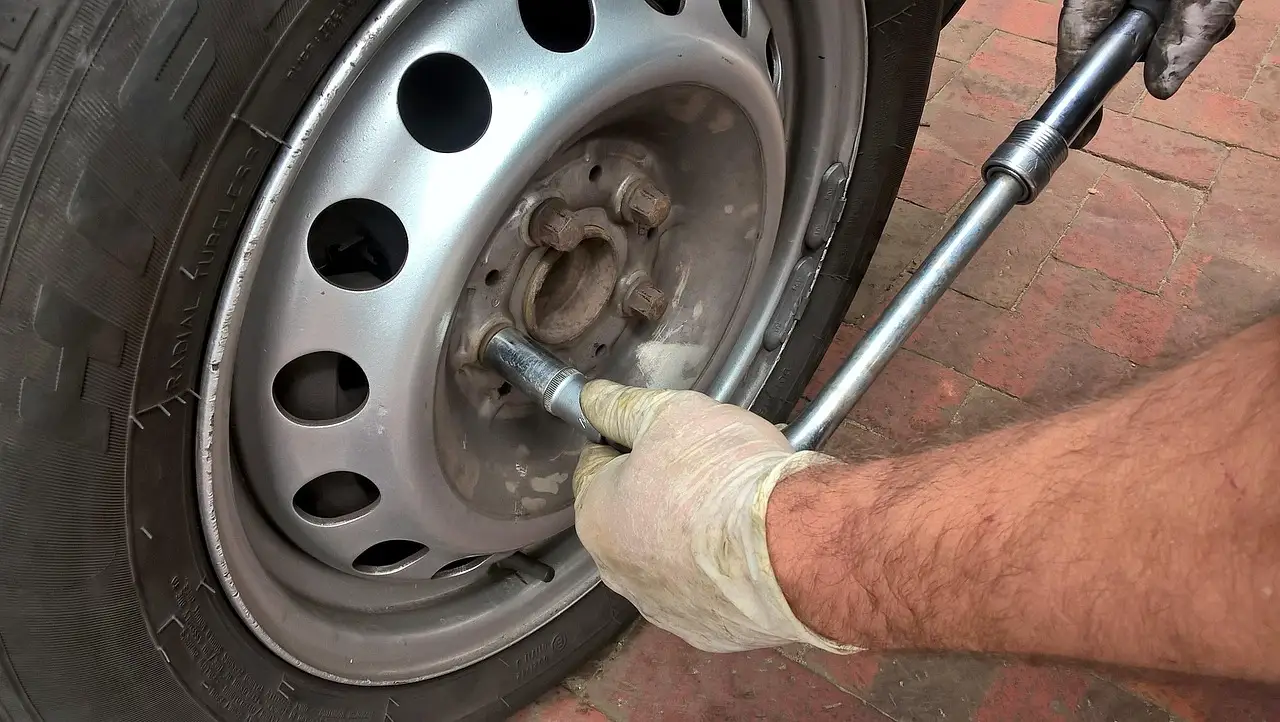
Start with penetrating oil and the correct close-fitting 6-point socket. If that does not work, move to a lug-nut extractor. Secure the vehicle and keep the wheel on the ground or otherwise safely supported before applying high removal force. Heat or a cutoff wheel can damage the tire, wheel, and surrounding parts and should be left to a professional. Using the wrong tool can round the nut, strip the stud, or scar alloy wheels, turning a cheap fix into a hub or wheel replacement. This guide shows the safest removal order for swollen, rounded, rust-seized, and locking lug nuts on steel and alloy wheels.
What kind of stuck lug nut do you have?
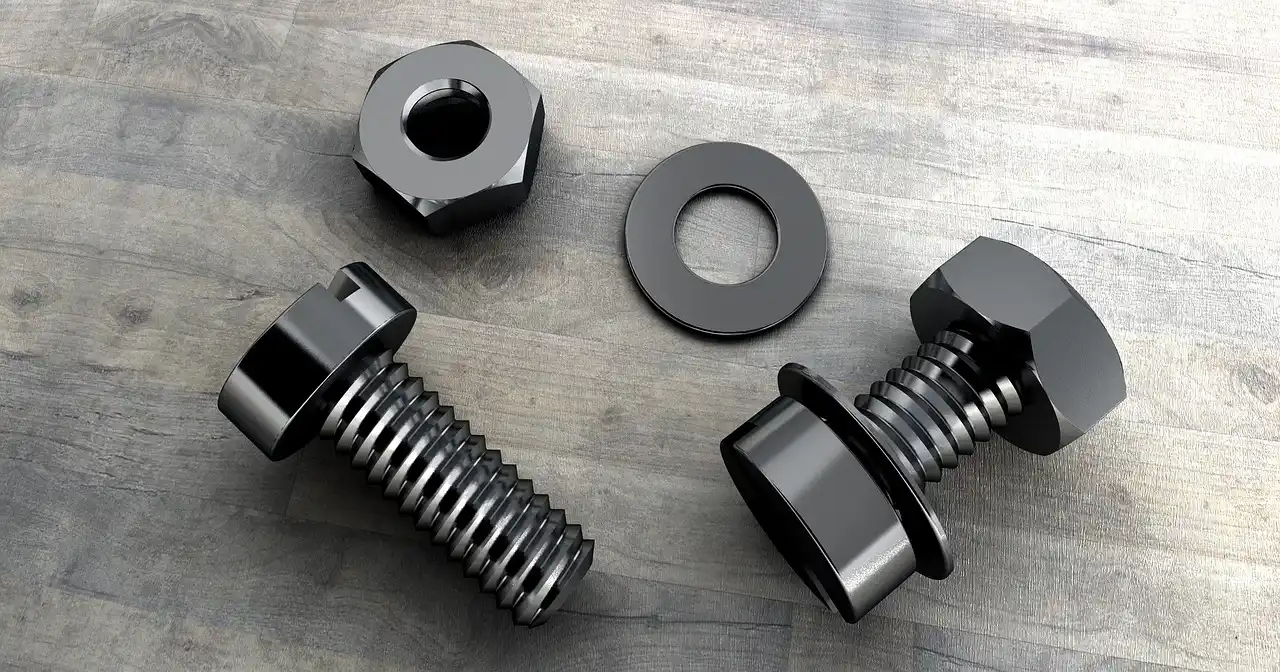
The right fix depends on the failure mode. A lug nut can seize or become frozen to the wheel stud, and the wheel stud is the threaded post the nut screws onto. Start by identifying whether you are dealing with a swollen two-piece lug nut, a rust-seized standard nut, a rounded nut, or a locking lug nut.
Swollen two-piece lug nut
These often look swollen, split, or bulged where the thin cap has expanded. The outer shell may spin or deform while the internal nut still grips the stud. In that case, a socket that fits the outer shell often slips; a lug-nut extractor is usually the safer next move. Sometimes a slightly smaller socket than the nominal size will grip the swollen outer shell better.
Rust-seized lug nut
Rust-seized nuts usually look normal but refuse to turn, often after long exposure to water and road salt. Penetrating oil can help here because it works on the threads and the nut seat, but it needs dwell time. Access is often limited to the nut seat or the rear side of the stud.
Rounded lug nut
A rounded nut has lost its flat sides from past over-tightening or a wrong-size socket. A standard 12-point socket is not the same as an extraction socket. For a rounded lug nut, a 6-point extraction socket is commonly the safer standard choice.
Locking lug nut
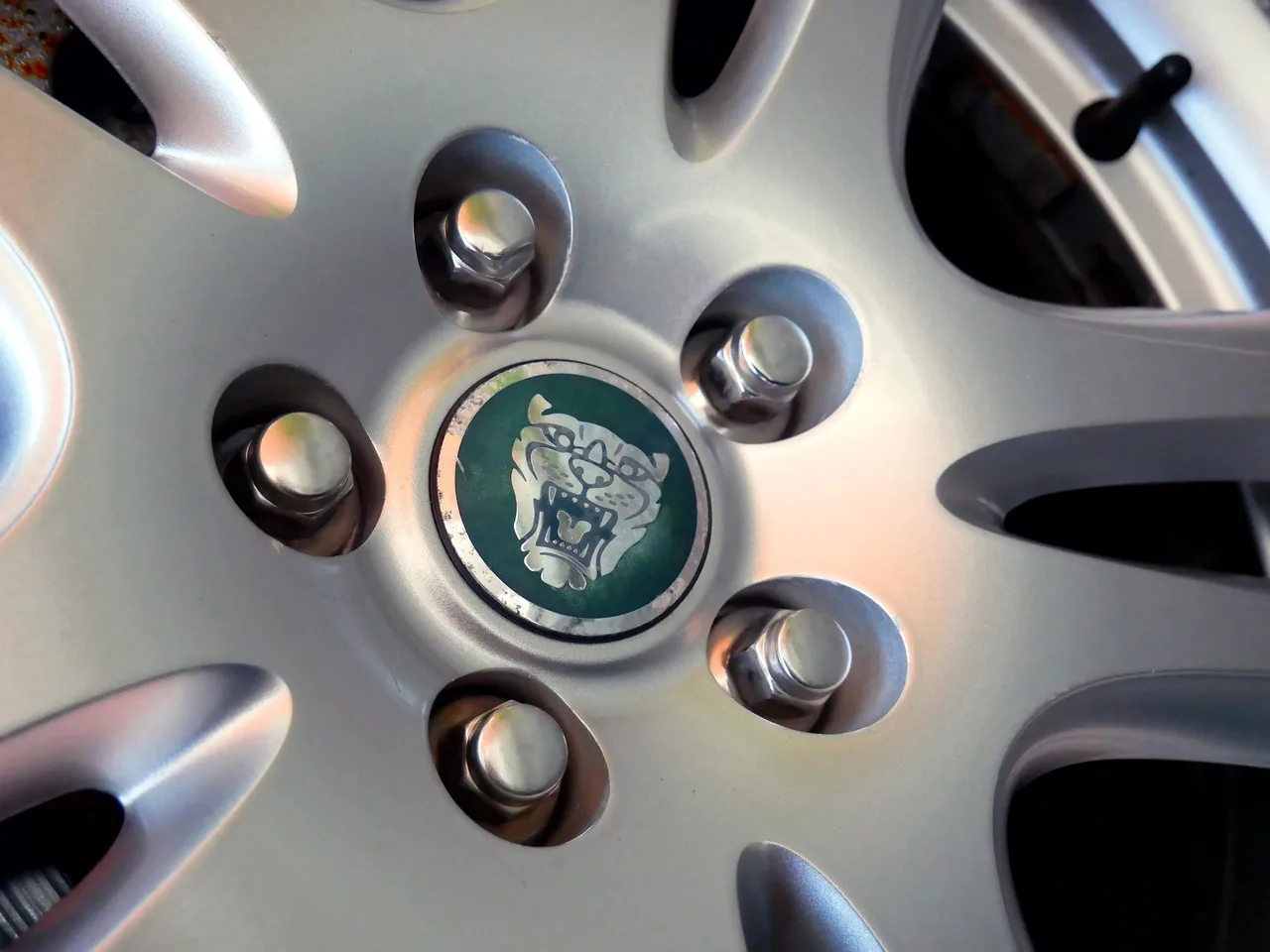
A locking lug nut uses a special adaptor or key, and only one locking nut per wheel is normally used. If the key is missing, stop before forcing the nut with a standard socket. The manufacturer or dealer may be able to supply a replacement key if you can match the style or code.
What you’ll need
- Close-fitting 6-point socket
- 6-point lug-nut extraction socket for rounded fasteners
- Breaker bar
- Penetrating oil
- Impact wrench
- Locking lug nut key
- Torque wrench for final tightening
- Wire brush or stiff nylon brush
- Replacement lug nut, if the old one is damaged
Lug nut escalation checklist
| Symptom | Likely cause | Safest first move | Next escalation step | Stop/seek-help threshold |
|---|---|---|---|---|
| Nut looks swollen, split, or capped | Two-piece lug nut shell has expanded or failed | Use a close-fitting 6-point socket only if it seats fully on the inner nut; otherwise stop and use a lug-nut extractor | Extractor socket, then controlled breaker bar | Stop if the socket rocks, the cap spins, or the wheel seat starts to mar; alloy wheels need extra caution |
| Nut is rusty and will not move | Corrosion on the threads or nut seat | Penetrating oil at the nut seat and accessible stud area, then wait | Breaker bar, then impact pulses | Stop if the stud begins to twist, the nut starts to round, or the wheel is alloy and the socket is slipping |
| Nut corners are rounded | Wrong socket size or prior over-tightening | Use a 6-point extraction socket matched as closely as possible | Tap the extractor squarely, then use a breaker bar | Stop if the extractor cannot bite or the wheel face is getting marked |
| Nut will not move and has a patterned face | Locking lug nut without the correct key | Find and use the locking lug nut key first | Replacement key from the manufacturer or dealer | Stop if you are tempted to hammer on a standard socket; that can destroy the lock and the wheel seat |
Steel-wheel note: steel wheels usually tolerate a little more scuffing around the nut seat. Alloy-wheel note: alloy wheels mar more easily, so keep the socket square and avoid contact between the tool and the wheel face. If you use an impact wrench, avoid letting the socket touch the wheel face, and use protective sleeves on alloy wheels where appropriate.
How do you remove it without damaging the wheel?
Use the least aggressive method that matches the failure mode. Start with hand tools and penetrating oil, then move to a breaker bar or impact wrench, then switch to an extractor socket only if the nut is already rounded or capped. The loosening direction is typically counterclockwise when viewed from the outside of the wheel.
- Confirm the nut type. Check whether the issue is swelling, rust, rounding, or a locking style. That choice controls the next tool and keeps you from chewing up the wheel seat.
- Expose the area and clean it. Brush dirt and rust from the nut face and the visible seat. On many wheels, that gives penetrating oil a path to the threads or the rear of the stud.
- Apply penetrating oil. Spray the nut seat and any accessible rear-side thread area, then wait about 10 to 15 minutes before trying again. If the nut is badly rusted, repeat after more dwell time.
- Use a close-fitting socket. For a normal nut, start with the correct 6-point socket in one of the common sizes: 17 mm, 19 mm, or 21 mm. Less common sizes include 22 mm and 23 mm. Do not force a loose fit.
- Pull with a breaker bar. Use a long breaker bar for controlled force and apply pressure slowly. A breaker bar is preferred over a torque wrench because a torque wrench should not be used as a breaker bar.
- Try a brief impact pulse. If the nut still resists, use an impact wrench in short bursts rather than a long continuous pull. Repeated pulses can break the bond without grinding the nut as much as a hard steady shove. Keep the socket square and avoid contact with the wheel face, especially on alloy wheels.
- Escalate to extraction. If the nut is rounded or capped, switch to a 6-point extraction socket. A standard 12-point socket is not the same tool and is less safe for a damaged hex.
Say your nut is rust-seized on a steel wheel, the socket fits correctly, and the first pull does nothing. A second round of penetrating oil followed by a slow breaker-bar pull often works better than adding more force right away. That sequence gives the oil time to reach the threads instead of chewing on the corners.
Suppose the nut is on an alloy wheel and the socket starts to scrape the face. Stop there. A marred wheel seat can turn a simple removal into a wheel repair, so it is better to switch to a tighter extractor or professional help than to keep forcing the same setup.
How do you handle a locking lug nut?
Use the locking lug nut key first. If the key fits correctly, seat it fully before turning, because a partial fit can damage both the key and the lock. If the key is missing, the usual next step is a replacement key from the manufacturer or dealer, not brute force.
Find and use the locking lug nut key first
Check the vehicle storage areas before forcing removal. Many vehicles keep the key with the spare tire tools, jack storage, or another factory tool compartment. If the key is present, line it up straight and turn slowly so the lock stays engaged.
If the key is missing
Do not start with a hammer-on socket unless the lock has already failed and you have accepted the risk of replacement. The better path is to identify the lock style and order the correct replacement key when possible. One damaged lock can become a hub repair if it is attacked at the wrong angle.
When to stop and call for help
Stop if the key is unavailable, the lock is recessed too deeply for the tool to seat, or the socket begins to twist on the nut. Locking nuts are designed to resist exactly that kind of attack, and forcing them can scar the wheel and stud before the lock moves.
What should you inspect after the nut comes off?
After removal, inspect the wheel stud threads, the nut seat, and the surrounding wheel surface. The stud should look straight and crisp, not stretched, flattened, or cross-threaded. If the stud threads are damaged, replace the wheel stud before reinstalling the wheel.
Wheel stud threads
Run a finger lightly over the exposed threads and look for flattened peaks, shiny gouges, or bent thread starts. If the lug nut was forced off, the stud may need replacement even if the wheel came free. A damaged stud can fail to hold proper torque later.
Wheel seat and nearby wheel surface
Check the conical seat for gouges or metal transfer. Conical lug seat angles and designs vary by vehicle and wheel, so any mashed or uneven seat can affect clamping force. Alloy wheels need close inspection because small scratches can grow into larger seating problems.
Whether the lug nut should be replaced
Replace the lug nut if the hex is rounded, the threads are rough, the cap is split, or the nut feels loose on the stud. If a locking nut was removed with a replacement key or extractor, replacing the damaged nut is usually the safer choice.
Common mistakes
Using a torque wrench as a breaker bar. A torque wrench is a precision tool for final tightening, not a pry bar. Blunt force can throw calibration off and leave the wheel under- or over-torqued.
Choosing the wrong socket. A loose 12-point socket on a rounded nut often makes the rounding worse. For a damaged hex, use a 6-point extraction socket that bites on the flat edges.
Skipping dwell time. Penetrating oil helps most when it has time to work. Spraying and immediately yanking on the nut often adds damage without improving movement.
Forcing a locking nut. If the key is missing, the safest first step is to locate a replacement key, not to hammer on the lock and hope for the best.
Ignoring the stud after removal. A wheel stud that looks bent or stripped should be replaced before the wheel goes back on. A bad stud can fail during tightening or later on the road.
Frequently asked questions
How do you remove a stuck lug nut without stripping the wheel?
Use penetrating oil, then a close-fitting 6-point socket and a breaker bar, turning counterclockwise from the outside of the wheel. If the nut is already rounded, switch to a 6-point extraction socket instead of forcing a loose socket that can mark the wheel seat.
What can I use to break a lug nut loose safely?
A breaker bar is the standard hand tool for controlled force, and an impact wrench is another option for short pulses. Do not use a torque wrench as a breaker bar. If the nut is rounded, use an extraction socket before you add more force.
Will penetrating oil help a seized lug nut come off?
Yes, especially on rust-seized fasteners. Spray the nut seat and any accessible rear-side thread area, then wait 10 to 15 minutes before trying again. If the nut is still stuck, a second application and more dwell time can help more than harder force.
Can I use an impact wrench on a stuck lug nut?
Yes, short impact pulses can free stubborn lug nuts without as much steady load as a long pull. Use care on alloy wheels and stop if the socket starts slipping. If the nut is rounded, move to a 6-point extraction socket first.
What size socket should I try on a rounded lug nut?
Try the closest-fitting 6-point extraction socket first. The most common lug nut hex sizes are 17 mm, 19 mm, and 21 mm, with 22 mm and 23 mm also seen on some vehicles. A 12-point socket is not the same as an extractor.
Can alternating tighten and loosen free a stubborn lug nut?
Sometimes, but only with a very small controlled breakaway. A tiny tighten-then-loosen move can help on a stuck but intact nut, yet it can backfire on already overtorqued or damaged fasteners. Stop if the stud twists or the nut rounds more.
How do I know if the wheel stud is damaged after removal?
Inspect the threads for flattening, cross-threading, or bending. If the nut came off with heavy force, the stud may need replacement before the wheel is reinstalled. A damaged stud should not be reused, even if the wheel appears fine.
Should I replace the lug nut after forcing it off?
Yes, if the nut is rounded, split, loose, or scarred from an extractor. A damaged lug nut can make the next tire service harder and can give a false sense of clamp force. Replace it before torqueing the wheel back on.
How do I avoid damaging aluminum wheels when removing lug nuts?
Keep the socket square, use a close fit, and avoid dragging the tool across the wheel face. Alloy wheels are easier to mar than steel wheels, so stop if the socket slips or the seat starts to scar. Use a torque wrench only for final tightening.