What Speed Rating Do I Need for My Car?
Use the speed rating on your vehicle placard or owner’s manual as the minimum. If you replace tires, choose the same rating or higher unless the manufacturer allows a lower one. The wrong rating can cut heat capacity, change handling, and cause fitment or warranty issues. This guide shows how to find the required rating, when a higher one makes sense, and what to check before you buy.
What speed rating means
A tire speed rating is the highest safe speed the tire is built to sustain under the test conditions used for that rating. The letter appears on the sidewall after the tire size and load index, so a code such as 95W combines load index 95 with a W speed rating.
The common passenger-car letters most drivers see are S, T, H, V, W, and Y. Car and Driver lists T at about 118 mph, H at about 130 mph, V at about 149 mph, W at about 167 mph, and (Y) at over about 186 mph. Fordfast says H-rated tires suit most sedans and family cars, while V-rated tires are built for sports sedans and performance vehicles.
The number is a limit, not a target. A tire rated for a higher top speed does not mean you should drive that fast, and a lower-rated tire is not a problem just because your commute never reaches highway speeds. Start with the carmaker’s recommendation, then check your actual use.
📊 A 95W tire combines load index 95 with a W speed rating. Source: How to Read a Tire Sidewall.
Check these 3 places first
Before you buy replacement tires, confirm the exact specification in three places. The door placard, owner’s manual, and current tire sidewall each tell part of the story, and the safest match comes from checking all three together.
-
Read the door placard.
Look at the placard on the driver’s door jamb or door edge. It lists the original tire size and recommended specifications for your vehicle, which is the first place to check before shopping.
-
Check the owner’s manual.
The owner’s manual lists recommended tire specifications and may note whether any alternate size or speed rating is allowed. Use it to confirm the placard, especially if the vehicle came with multiple factory tire options.
-
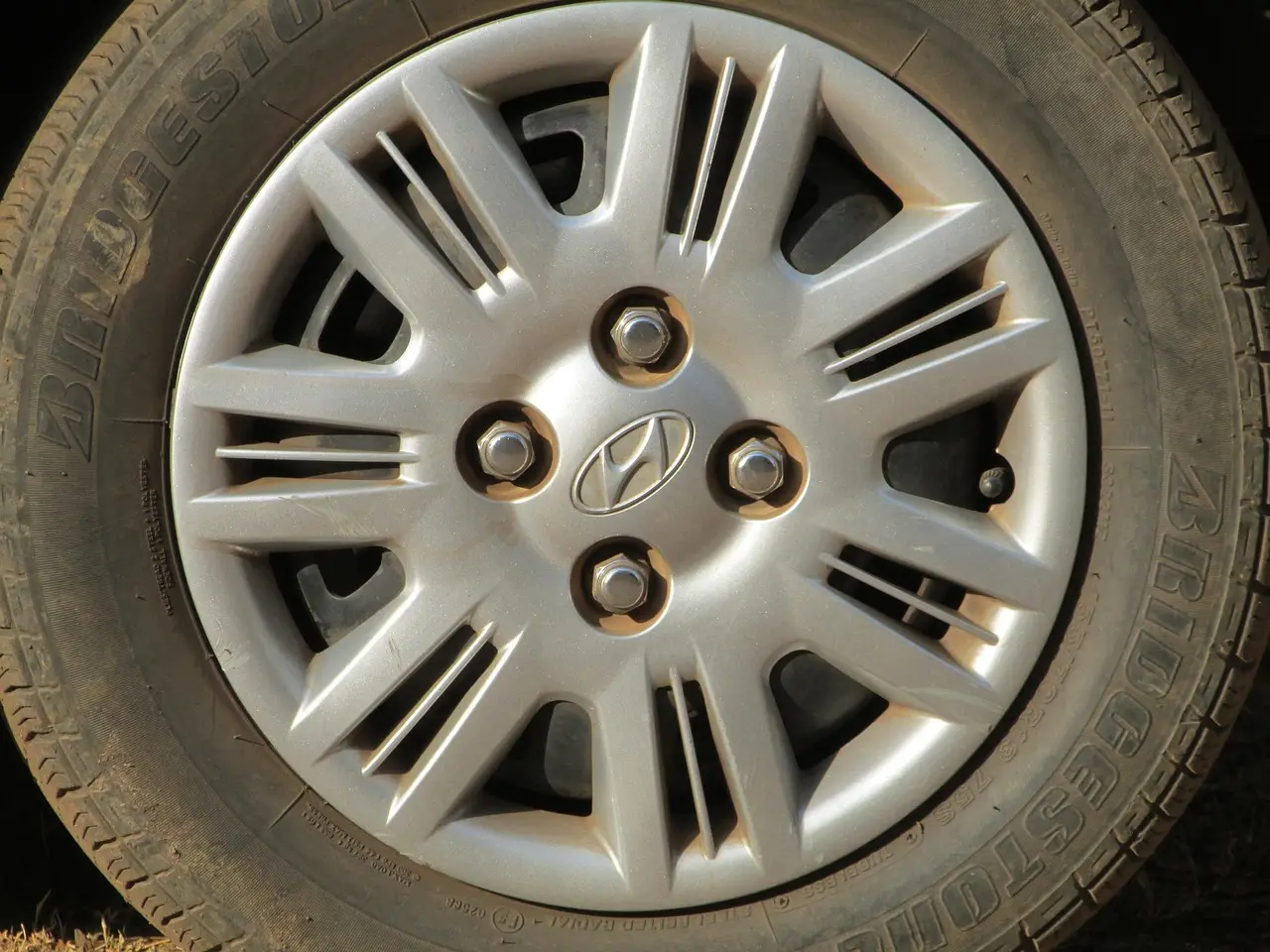
Inspect the current sidewall.
Read the code on the tire sidewall. Car and Driver says the sidewall shows the tire’s speed rating, and the rating appears after the size and load index in the full code.
What speed rating do I need for my car?

Choose the vehicle maker’s recommended speed rating as the minimum. If the placard or manual lists a specific rating, your replacement tires should meet or exceed it unless the manufacturer provides a separate approved exception. Do not pick a lower rating just because it is cheaper or more common in stock.
That rule matters because speed rating is tied to heat capacity and high-speed durability. If the tire cannot handle the load and speed it was built for, the risk is heat build-up, unstable handling at speed, and possible warranty or fitment problems. Load index matters too, so do not focus on the letter alone.
A common first-timer mistake is buying a tire by size only, such as 225/45R17, and ignoring the last letter on the code. If the original tire is 95V and the replacement is 95T, the load index matches but the speed rating does not. That is a change worth checking against the placard and manual before mounting.
When a higher rating is worth buying
A higher speed rating can make sense if the vehicle maker allows it and you want a tire from a performance-oriented category with firmer response. Higher-rated tires often feel more precise in cornering, but they can ride a bit firmer and may not last as long as a lower-rated touring tire of similar type.
It can also make sense when the same tire line is sold in several ratings and the higher one is the only version available in your size. Even then, load index, tire category, tread design, and UTQG still matter. The highest letter available is not automatically the best fit.
When you should not go lower
Do not go lower unless the owner’s manual or placard specifically allows it for your vehicle and use case. A lower rating can increase heat build-up, reduce high-speed stability, and create a mismatch with the carmaker’s recommended specification. In some cases, it can also complicate warranty claims or violate fitment guidance.
Lower-rated tires can sometimes ride more softly and may wear longer in some touring applications, but that tradeoff only matters if the vehicle maker allows the change. The first question is not comfort. It is whether the tire still meets the required spec for the car, load, and driving use.
Speed rating decision table
This table gives a practical minimum by common use case. It is not a substitute for the placard or manual. If your vehicle requires a specific rating, use that rating even if the table suggests a lower one would be acceptable in general.
| Vehicle type | Typical speed use | Acceptable minimum speed rating | OEM match required? | When a higher rating is worthwhile |
|---|---|---|---|---|
| Compact sedan or commuter car | Daily commuting, normal highway use | T or H, depending on the placard | Yes, unless the manual allows an alternative | Choose higher only if the same tire line offers it and you want sharper response |
| Family sedan | Mixed city and highway driving | H is common for this class | Yes | Worth it if the car is driven hard on fast roads and the higher-rated version preserves the load index |
| Performance-oriented sedan | Frequent spirited driving, higher-speed travel | V is common | Yes | W or Y can make sense if specified or approved and the tire remains a proper fit |
| Sports coupe or performance vehicle | High-speed use, aggressive cornering | V, W, or Y depending on the vehicle | Yes | Use the factory rating or a higher approved rating when the manufacturer allows it |
| Winter tire substitution | Cold weather, reduced road speeds, snow and slush | Must still meet the vehicle maker’s allowed rating | Usually yes | Only if the owner’s manual permits a winter-specific exception |
Say your sedan is listed with 95H tires on the placard, and you drive mostly at normal highway speeds. H is the minimum acceptable starting point because it matches the vehicle recommendation and is common for daily driving and family cars. A 95V tire may be fine if the same tire model is sold in that rating, but it is not required unless the manual says so.
Suppose you are choosing winter tires for the same car. The question is not whether the winter tire is “good enough” in general. The question is whether the manufacturer allows the winter substitution and whether the replacement still meets the vehicle’s required load index and speed rating guidance.
What is a V speed rating?
A V speed rating means the tire is rated to 149 mph, and it sits above H and below W in the common passenger-car ladder. The same source says V-rated tires are built for sports sedans and performance vehicles, which is why you often see them on cars that need more responsive handling than a basic commuter tire provides. (Caranddriver)
Car and Driver lists V as 149 mph, H as 130 mph, W as 167 mph, and (Y) as in excess of 186 mph. That spread shows why V is often a middle ground: it is higher than the common H rating, but it is not the highest category consumers see on passenger cars.
For many drivers, V is not about chasing top speed. It is about matching the vehicle’s factory specification, especially on performance-oriented sedans where the suspension and chassis tuning were built around that tire category. If the placard calls for V, replacing it with H is not a harmless downgrade.
Can I use a higher or lower speed rating?
You can usually use a higher speed rating than stock if the tire still matches the vehicle’s required size, load index, and approved fitment. You should not use a lower rating unless the placard or owner’s manual specifically allows it. The speed letter is part of the vehicle’s tire specification, not an optional style choice.
Higher than stock
A higher-rated tire can be a valid replacement when it meets all factory requirements and the same tire model is sold in that rating. It may feel firmer or more responsive, and some drivers prefer that on performance sedans or heavier highway use. Higher ratings do not automatically improve ride comfort or tread life.
Lower than stock
A lower-rated tire is the riskier choice. It may be cheaper or softer riding, but it can also have less heat capacity and less stability at speed. If the vehicle maker did not approve that change, it is the wrong fit even if the tire size looks correct.
What changes in ride, wear, and heat
Higher-rated tires often use stiffer construction, which can make steering feel more immediate and the ride feel firmer. Lower-rated tires can sometimes feel more compliant and may last longer in some touring setups, but that is not a reason to override the factory rating. Heat resistance is the key difference, and that is the part you do not want to guess on.
How to tell what speed your tires are rated
Read the full tire code on the sidewall. The speed rating is the letter at the end of the tire size string, placed after the load index. Car and Driver says the sidewall shows the tire’s speed rating, so you can verify it without removing the tire.
-
Find the full size code.
Look for a code such as 225/45R17 95W. The number before the letter is the load index, and the final letter is the speed rating.
-
Match the letter to the chart.
Use the rating list on the tire and compare it with the placard or manual.
-
Confirm the fitment rule.
If the rating is lower than the vehicle recommendation, do not buy it unless the manufacturer explicitly allows that change. If it is higher, still verify load index and tire category.
What are tire speed ratings?
Tire speed ratings are letter codes that tell you the tire’s highest safe speed capability under specified test conditions. They help match the tire to the vehicle maker’s recommendation and the expected driving use. The most common passenger-car ratings you will see are S, T, H, V, W, and Y.
Use them as a fitment filter, not a bragging point. A tire with a higher letter is not automatically better for a family car, and a lower-rated tire is not automatically wrong for every vehicle. The right answer depends on the placard, the owner’s manual, load index, and how you drive.
Frequently asked questions
What speed rating do I need?
For most drivers, the needed rating is the one printed on the door placard or in the owner’s manual. Do not choose by guesswork or by the highest available letter. If your car was built around H or V tires, that factory spec is the baseline for replacement decisions.
Can I use a higher speed rating than stock?
Usually yes, if the new tire matches the vehicle’s size, load index, and approved fitment. A higher rating can make sense for sharper handling, but it may ride firmer and does not automatically improve safety or wear. The key is whether the manufacturer permits the substitution.
Can I use a lower speed rating than stock?
Only if the owner’s manual or placard specifically allows it. A lower rating can reduce heat capacity and high-speed stability, and it may create warranty or fitment issues. If the vehicle calls for a particular speed letter, do not step below it without written manufacturer guidance.
Does speed rating affect ride comfort and tread life?
Yes, but indirectly. Higher-rated tires often have stiffer construction, which can make the ride feel firmer and may shorten tread life compared with a lower-rated touring tire of the same family. Lower-rated tires can feel softer and sometimes last longer, but they are only acceptable if they meet the vehicle’s required spec.
What speed rating is best for daily driving?
The best rating for daily driving is the one your vehicle recommends, not the highest one on the shelf. H-rated tires are common for daily use and family cars, while V-rated tires are common on performance sedans. Pick the minimum acceptable rating that matches the placard, manual, load index, and driving use.