Why Does Tire Pressure Go Down in Cold Weather?
Tire pressure drops in cold weather because air contracts as temperature falls; expect about 1 psi for every 10°F drop, and check for a leak if one tire keeps falling after you reinflate it. Left alone, that can mean underinflation, poor handling, longer stopping distances, and faster tire wear. This guide explains the normal pressure change, how to read the warning light, and when the drop points to a puncture.
How temperature affects tire pressure
Cold weather lowers tire pressure because the air inside the tire takes up less space as outside temperature falls. That is normal physics, not a fault. When the tire volume stays mostly constant, lower temperature means lower PSI on the gauge.
What the ideal gas law means for a tire
The ideal gas law explains why temperature and pressure move together in a tire. As the air cools, pressure falls. As it warms, pressure rises. A common rule of thumb is about 1 PSI for every 10°F drop, although real-world change can vary by tire, starting pressure, and the size of the temperature swing.
That is why cold inflation pressure matters. It means the pressure measured when the tires are cold, after the vehicle has been parked for hours, and it is the target you should use when you add air in winter.
Why volume stays mostly constant in a tire
A tire is not a flexible balloon that keeps changing size with the weather. The volume changes only a little under normal use, so temperature becomes the main driver of pressure change. That is also why a quick morning reading can look lower than a reading after a long drive.
If your driver-door placard calls for a set PSI, a 20°F overnight drop can pull the reading down by about 2 PSI, and a larger temperature swing can lower it more. The fix is usually simple: compare the cold reading to the placard, then top off if needed.
Does cold weather lower tire pressure?
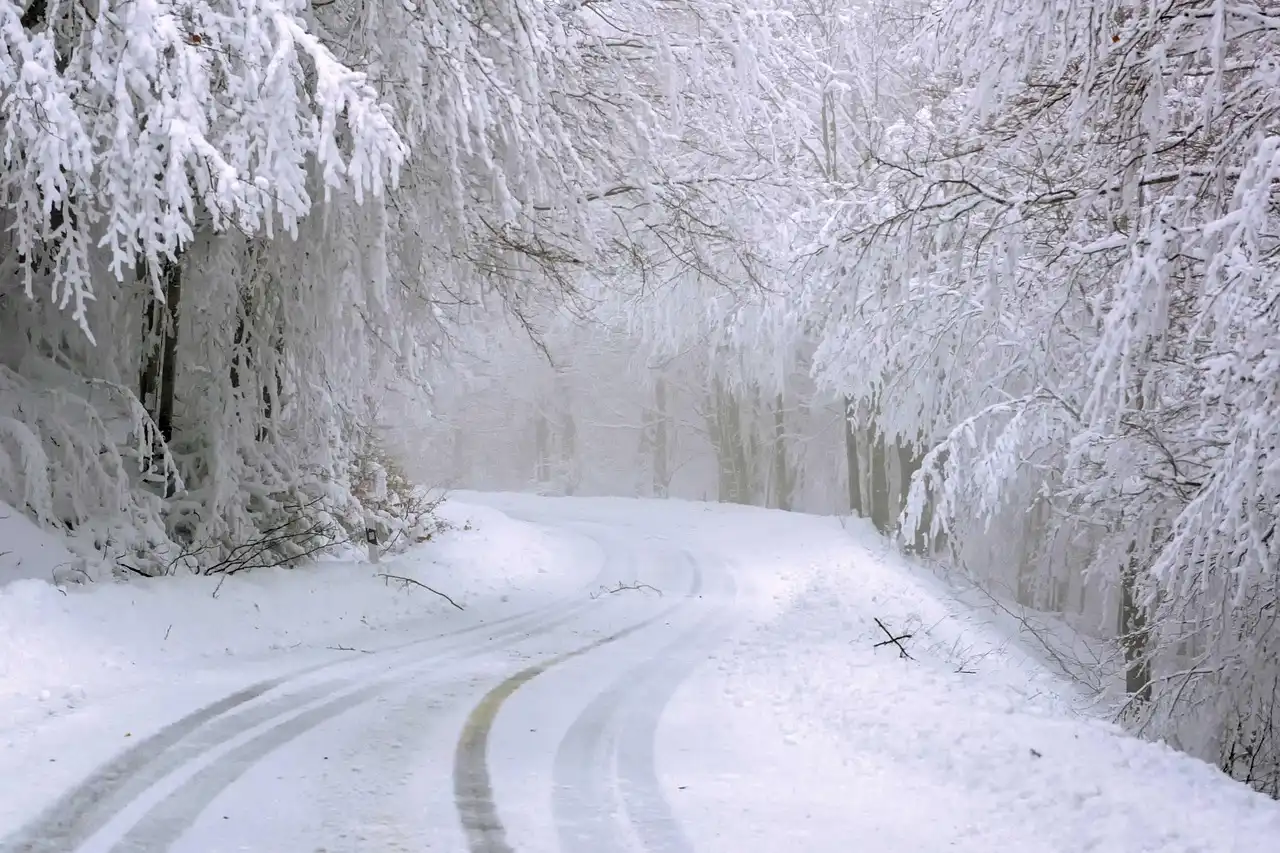
Yes. Cold weather lowers tire pressure, and the effect is often most obvious after an overnight temperature drop. A tire that was at the correct PSI yesterday can read low this morning even if it has no leak. That is why winter warnings often show up on the first cold start.
Why overnight temperature drops matter most
Outside temperature is the main force behind the change. Rapid overnight cold snaps can trigger TPMS even if the tire was fine the day before. The pressure loss may be enough to cross the warning threshold before you feel any change in steering or ride quality.
Drivers sometimes ask whether tire pressure changes in cold weather or whether the light is only a sensor problem. It does change in cold weather. The reading often falls before the tire looks visibly low, which is why a gauge matters more than visual inspection.
Why a warmed tire can read higher after driving
Tire pressure can rise by a couple PSI after driving because the tires warm up. That does not mean the morning reading was wrong. It means the tire air expanded with heat, which temporarily raises the gauge reading.
The warning light may turn off after driving for a while on a cold day. That can happen because the pressure rises enough to move back above the TPMS threshold. The tire may still need air, though, so the cold reading remains the one that should guide your adjustment.
How much PSI can cold weather take away?
A common rule is about 1 PSI for every 10°F drop in temperature, and a larger drop can produce a larger loss. For every 10°F decrease, tire pressure typically goes down by about 1–2 PSI. A 70°F to 30°F drop can reduce each tire by roughly 4–8 PSI.
What the rule of thumb means
The rule of thumb is useful because it turns weather into a quick estimate. If the temperature falls 30°F, a driver should expect a noticeable drop on the gauge. The exact number will not be identical on every vehicle, but the direction is predictable.
That is why a tire that was filled to the placard number in mild weather may read below target once winter arrives. The drop is often large enough to matter even if the tire still looks round from the curb.
Why the TPMS threshold can matter before the change feels large
TPMS typically illuminates when a tire is about 25% below the specified pressure. That means the dashboard can warn you before the underinflation feels dramatic. On a vehicle with a 35 PSI target, the light may come on after a substantial drop even though the tire is not flat.
Underinflated tires can reduce traction, lengthen braking distance, increase heat, and wear unevenly. They can also hurt fuel economy; proper inflation can save up to 11 cents per gallon on gas.
When the TPMS light comes on in winter
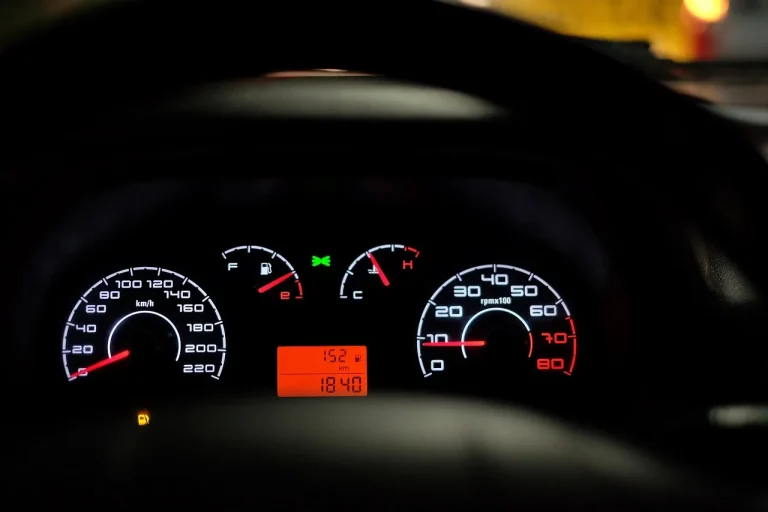
A winter TPMS warning often means the pressure has fallen because the air cooled, not that the tire suddenly failed. The light can appear on cold mornings, then clear after the tires warm up. That pattern points first to temperature, especially if all four tires dropped together.
Why the light can appear on cold mornings
Cold mornings are the most common time for a temperature-driven warning because the tires have had hours to settle to ambient temperature. If the vehicle sat overnight, the cold inflation pressure can be low enough to trigger the system.
If the light appears after a sharp cold snap, check every tire with a gauge before adding air. A visual check is not enough, and the driver-door placard is the reference point, not the tire sidewall number.
Why the light may clear after the tires warm up
Driving warms the tire and the air inside it, which can raise the PSI by a couple points. That may be enough to turn the light off. The warning can return later, though, because the underlying cold reading never changed.
Suppose all four tires read 2 to 4 PSI low before sunrise, then the light disappears after a 15-minute drive. That is a classic temperature pattern. It still calls for a cold adjustment at the placard number, not for ignoring the warning.
Winter tire pressure decision table
This table gives a simple starting point for cold weather checks. It uses cold inflation pressure as the baseline because that is the reading you want to compare against the placard. Small weather-driven drops are usually a monitor-or-top-off issue; bigger or repeated losses call for inspection.
| Starting cold PSI | Expected PSI after a 10°F/20°F/30°F drop | Likely action |
|---|---|---|
| 32 PSI | 31–30 PSI / 30–28 PSI / 29–26 PSI | Monitor after a 10°F drop; top off after 20°F; inspect for leak if the loss keeps repeating after a refill |
| 35 PSI | 34–33 PSI / 33–31 PSI / 32–29 PSI | Monitor after a 10°F drop; top off after 20°F; inspect for leak if one tire keeps drifting down |
| 40 PSI | 39–38 PSI / 38–36 PSI / 37–34 PSI | Monitor after a 10°F drop; top off after 20°F; inspect for leak if the reading stays low after a recheck |
A quick note on the table: the ranges reflect the sourced rule that pressure typically drops about 1–2 PSI for every 10°F decrease. The farther the temperature falls, the more likely a warning becomes.
What is the correct cold tire pressure for your car?
The correct cold tire pressure for your car is the PSI listed on the driver-door placard, usually on the driver-side door jamb or in the owner’s manual. Use that number when the tires are cold, not the sidewall maximum PSI printed on the tire itself.
Where to find the driver-door placard
Open the driver door and look along the door jamb or the door edge area. Most manufacturers place the placard there. It lists the recommended PSI for the vehicle setup, which may differ from one axle to the other.
Why the sidewall maximum PSI is not the target
The sidewall number is the maximum limit, not the correct pressure. It tells you the tire’s upper bound, not the vehicle’s target inflation pressure. Filling to the sidewall number can leave the tire overinflated for normal driving and reduce the comfort and contact patch the vehicle was designed to use.
- Check the placard. Read the driver-door placard and note the front and rear PSI targets. Use those numbers only when the tires are cold, because warm readings can run high.
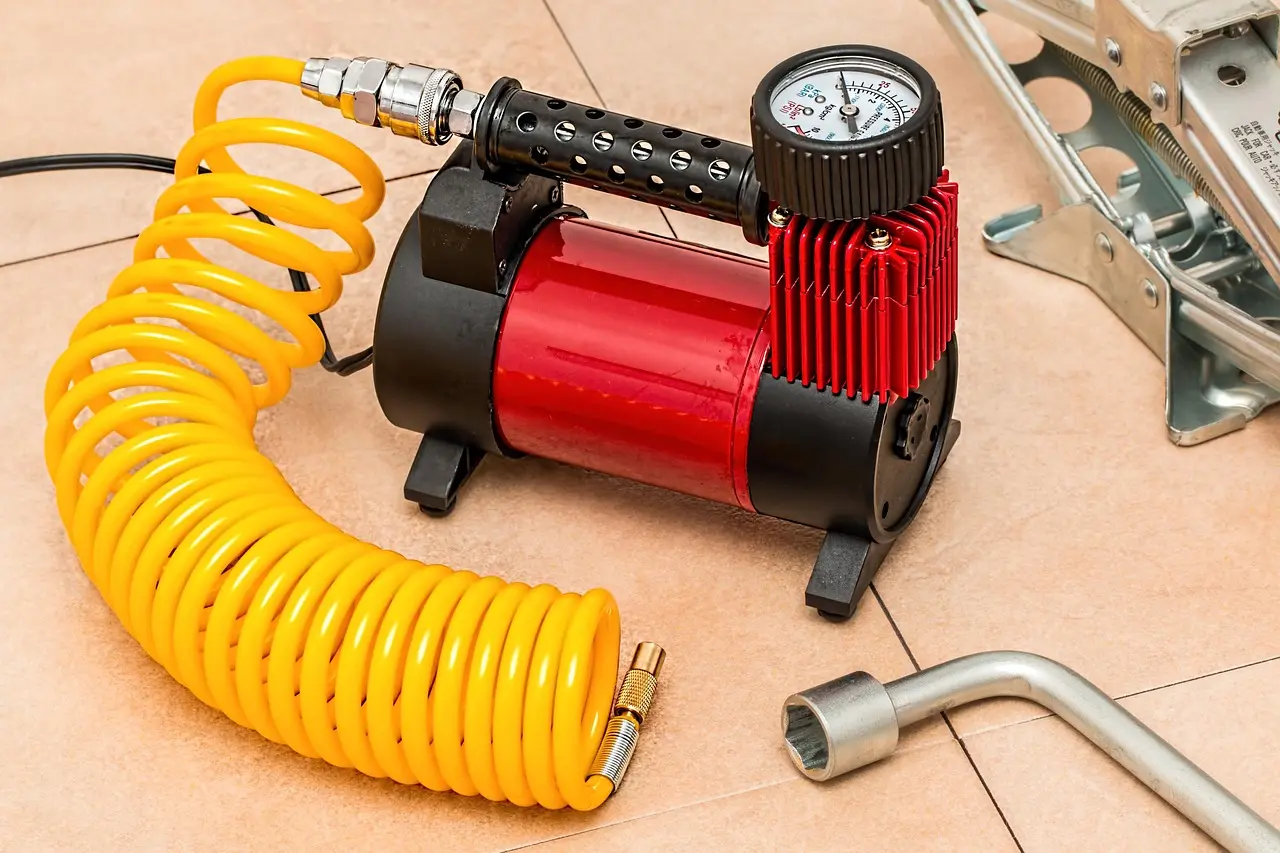
- Measure with a gauge. Use a digital or pencil-style tire gauge for an actual PSI reading. A visual guess is not reliable enough, especially in winter when a low tire may not look flat.
- Add air in small amounts. Inflate in short bursts, then recheck the pressure. Stop at the placard number for the current cold reading, because overfilling can create its own handling and wear issues.
- Recheck after a short wait. If the tire was driven before the check, let it sit and cool before adjusting again. Cold inflation pressure is the target, so a warm reading should not be the final one you use.
Cold weather or leak?
A temperature-driven drop usually affects more than one tire at about the same time and follows the weather. A leak usually shows up as one tire that keeps losing pressure after you refill it. The quickest test is a cold gauge check on all four tires, then a second check after a few days.
Gauge pattern that points to temperature loss
If all tires are low by a similar amount after a cold night, the pattern points to outside temperature rather than damage. The gauge should show a fairly even drop across the set, especially after a widespread overnight cold snap. That is the normal winter pattern.
- All four drop together. A similar loss across the set usually means weather-related contraction.
- The loss tracks the temperature. If the reading falls after a colder night and rises again after a warmer day, the pattern fits normal physics.
- The tire still needs topping off. Normal does not mean harmless. Bring the pressure back to the placard number.
Signs one tire is different from the rest
If one tire is much lower than the others, suspect a leak or damage. A nail, valve issue, bead leak, or wheel damage can cause a single tire to drift down while the others stay close to spec. That is the point where the problem stops looking weather-driven.
A common first-timer mistake is adding air to one tire because the dashboard light came on, then assuming the problem is solved when the light disappears. If that same tire is low again at the next cold check, the issue is likely persistent and should be inspected.
What it means if the TPMS light returns after a recheck
If the TPMS light returns after you recheck and correct the pressure, that can mean the tire is still below the threshold, the temperature fell again, or a leak is pulling the tire down between checks. Repeated return after a proper cold adjustment is the clearest reason to inspect for a puncture or slow leak.
Older vehicles and vehicles with aging TPMS sensors can be less consistent in winter. If the light keeps coming back and the gauge shows one tire drifting lower than the others, do not assume it is only cold weather. Repeated winter warnings deserve a leak check, especially on the same corner.
How often should you check tire pressure in winter?
Check tire pressure at least once a month in cold weather, and more often after a sharp cold snap or if the TPMS light appears. The best time is when the vehicle has been parked for a few hours, because that gives you a true cold inflation reading.
That habit catches slow leaks early and keeps the tires at the placard PSI before winter underinflation turns into poor handling or uneven wear. A quick gauge check takes less time than replacing a tire that has been run too low for too long.
Frequently asked questions
Does tire pressure change in cold weather?
Yes. Tire pressure changes in cold weather because the air inside the tire contracts as outside temperature falls. A common rule of thumb is about 1 PSI per 10°F drop, and the change is best checked with the tires cold, after the vehicle has sat for hours.
Why does tire pressure go down in cold weather?
It goes down because the air inside the tire contracts as the temperature falls. With the tire volume staying mostly constant, the lower air temperature leads to lower PSI. That is the same physics behind the common winter rule of thumb used for cold inflation pressure.
How much PSI does tire pressure drop when it gets cold?
For every 10°F decrease, tire pressure typically goes down by about 1–2 PSI. A 70°F to 30°F drop can reduce each tire by roughly 4–8 PSI. The exact change varies, but a cold snap can easily move a tire below its target.
Should I add air when my tire pressure light comes on in winter?
Yes, if the gauge shows the tire is below the driver-door placard pressure when cold. Add air in small amounts and recheck. If one tire keeps falling after you refill it, or the light keeps returning after a proper cold check, inspect for a leak.
Can tire pressure go back up after driving?
Yes. Tire pressure can rise by a couple PSI after driving because the tires warm up. The warning light may even turn off after driving for a while on a cold day. Use the cold reading as the adjustment target, not the warmed reading after a trip.