Why Is My Brake Rotor Replacement Quote So High?
If a brake rotor quote is high, it is often because the estimate includes more than rotors alone, and a quote roughly a quarter higher than other local estimates should trigger a line-item check. Ignoring that check can mean paying for parts or labor you do not need, or missing a brake issue that still needs repair. This guide explains how to separate rotor scope, parts quality, labor complexity, and legitimate add-ons from vague or inflated charges.
What makes a brake quote seem high
A high quote usually means the shop is pricing more than one basic rotor swap. The total can jump because the estimate covers one rotor instead of an axle, includes pads and hardware, or adds labor for rear brake parts, caliper service, brake fluid, taxes, or shop supplies.
Scope, not sticker price
The first thing to check is scope. Brake rotor replacement quotes may cover one rotor, one axle, or both axles, and a front or rear axle usually means two wheels on that axle. A quote for two rotors should not be compared with a quote for four rotors.
That is where a lot of confusion starts. A simple rotor price can look low until the estimate adds the rest of the job that the vehicle actually needs.
Parts quality and labor rate
Parts quality matters. Some quotes use economy rotors, while others use coated, higher-carbon, or dealer-branded parts that cost more. Labor rate matters too. RepairPal estimates labor at $168 to $247 for brake rotor replacement, and parts at $406 to $452, with a total of $574 to $698. Taxes and fees are not included in that estimate.
Add-ons that change the total
Legitimate add-ons can raise the price fast. Pads may be replaced with the rotors, brake hardware may be added, and rear brake jobs may include parking brake or caliper work. A shop may also list diagnostic charges or shop supplies separately, which is normal if the estimate spells them out clearly.
| Brake Quote Decoder | What it usually means | Necessary? | Common inflation red flags | Exact question to ask the shop |
|---|---|---|---|---|
| Rotors | The brake discs being replaced or resurfaced | Yes, if wear is beyond spec or damage is present | “Rotor set” quoted without saying one rotor, one axle, or both axles | “How many rotors are included, and is this price for one wheel, one axle, or both axles?” |
| Pads | Friction material that often wears with the rotors | Sometimes | Pads added without pad thickness or wear evidence | “Are the pads being replaced because they are worn, or are they optional?” |
| Hardware | Clips, shims, springs, and other small wear parts | Often conditional | Large hardware charge with no breakdown of included parts | “Which hardware pieces are included, and are they required for this brake system?” |
| Machining | Resurfacing a rotor if thickness allows it | Only if the rotor is thick enough and the shop offers it | Charged on rotors already at or near minimum thickness | “What is the measured rotor thickness, and does it still allow resurfacing?” |
| Caliper service | Cleaning, lubricating, or servicing caliper slides and related parts | Conditional | Listed as mandatory without any sticking, seizure, or wear evidence | “What problem makes caliper service necessary on this quote?” |
| Brake fluid | Fluid exchange or drain-and-refill service | Sometimes | Added without moisture test, mileage interval, or brake work reason | “Is the brake fluid service tied to condition or scheduled maintenance?” |
| Diagnostic fee | Charge for inspecting the brake system and confirming the issue | Usually yes if an inspection was done | Fee not credited back or not explained | “Is the diagnostic fee credited toward the repair if I approve the work?” |
| Shop supplies | Small consumables such as cleaners, rags, and disposal items | Sometimes | Large percentage charge with no cap or explanation | “What does the shop-supplies charge cover, and how is it calculated?” |
What does a brake rotor quote actually include?
A brake rotor quote should spell out the parts and labor tied to the exact repair scope. At minimum, it should say whether the job includes rotors alone or rotors plus pads, whether the price is for one axle or both, and whether taxes and fees are included or excluded.
Parts and labor breakdown
RepairPal’s estimate separates the job into parts and labor, which is the right starting point for any audit. If a quote only gives one total, ask for the line items. That lets you see whether the high number comes from premium parts, a higher labor rate, or extra work.
Taxes, fees, and shop supplies
Taxes and fees are often left out of national averages. RepairPal excludes taxes and fees from its estimate, so a real invoice may land higher than the published range. That does not make the shop overpriced by itself; it means the estimate needs to be read carefully.
One rotor, one axle, or both axles
Brake rotor replacement quotes may cover one rotor, one axle, or both axles. Since a front or rear axle usually means two wheels on that axle, an axle quote is already a two-rotor job. Comparing that against a single-rotor number will distort the result.
Say your front-left rotor is warped and the quote covers both front rotors plus pads. The total will look much higher than a single-rotor quote, but that does not mean the shop is padding the bill if the other front rotor is being replaced for matched wear.
Do your rotors really need replacement?
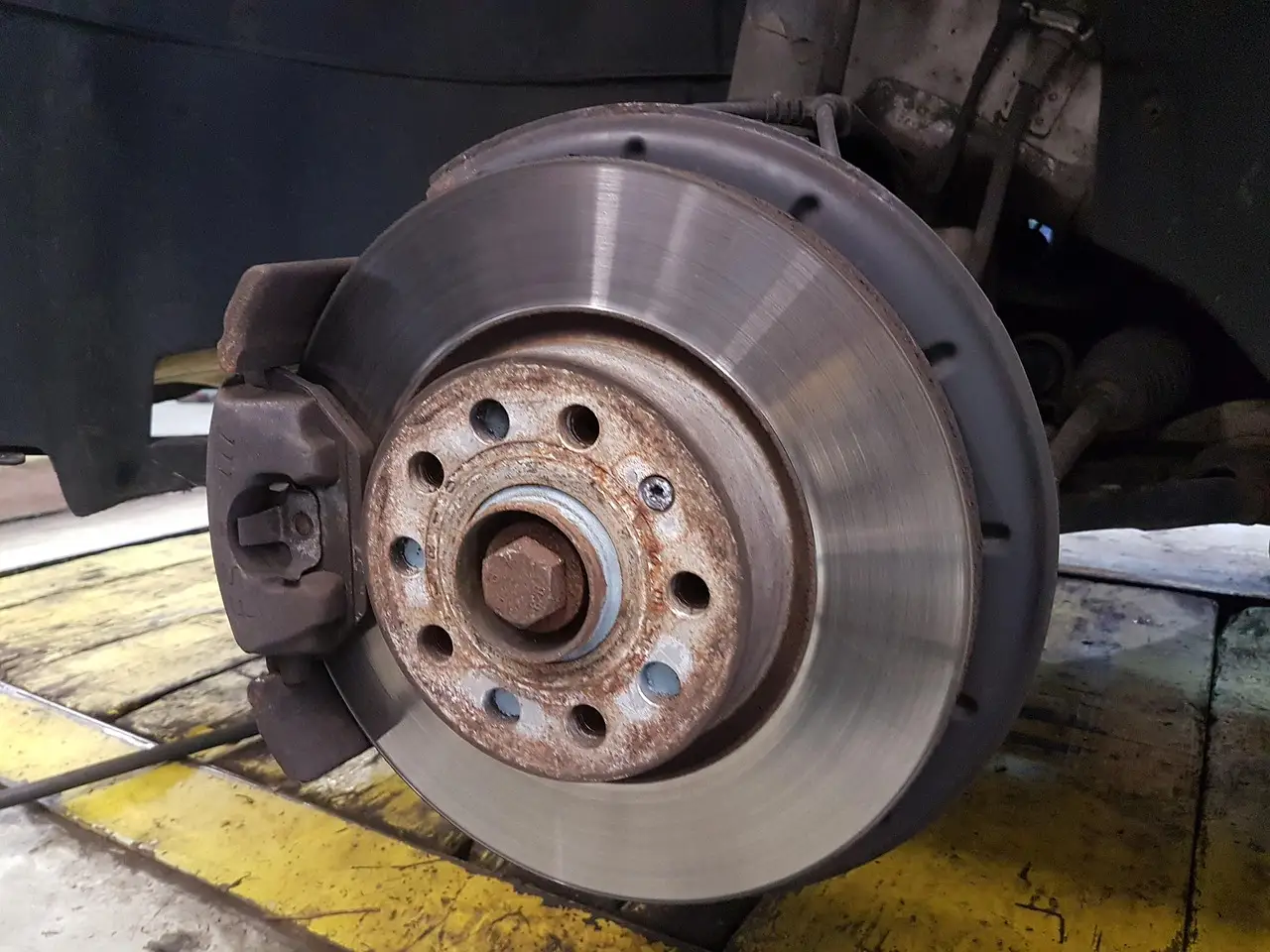
Rotors should be replaced for measurable wear, heat damage, scoring, or a service procedure that calls for new parts. A vague recommendation is not enough. The estimate should point to thickness, surface condition, or another brake measurement that explains why replacement beats reuse.
Thickness and wear limits
The key number is the minimum thickness specification. Shops can check it with calipers or by following the service procedure for that vehicle. Brembo recommends replacing both rotors on an axle when one reaches the minimum wear level, which helps keep braking balanced side to side.
Scoring, heat spots, and runout
Deep grooves, hot spots, and excess runout can justify replacement even when the rotor still has material left. Runout is a service condition, not a guess. If the shop cannot point to a measurement or visible damage, ask for the evidence before approving new rotors.
When resurfacing can still work
Resurfacing can lower the total bill if the rotor is thick enough and the shop uses that service on your vehicle. It is not always available, and it is not always cheaper once labor is counted. If the rotor is near minimum thickness, replacement is usually the safer call.
Ask for the measurement. Request the rotor thickness in millimeters or inches, plus the minimum spec for that vehicle. If the number is at or below minimum, replacement is justified; if it is comfortably above, resurfacing may be possible if the shop offers it.
Check the failure reason. Ask whether the rotor is being replaced for wear, scoring, heat checking, warping, or noise. The reason should match the condition. “Recommended” alone is not enough when the bill is high.
Confirm the side count. Verify whether the price is for one rotor, one axle, or both axles. That single detail changes the total more than almost anything else on the page.
Front vs rear rotor pricing
Front and rear rotor prices can differ because the parts are not the same and the labor is not always the same. Rear brake work may cost more on some vehicles if the parking brake, rear caliper design, or reset procedure adds time.
Why rear jobs can cost more
Rear rotors often sit in systems with more hardware around the parking brake. That can mean extra disassembly, adjustment, or caliper reset time. The parts may also differ in size and design, so the rear rotor price is not always a simple match to the front.
Parking brake and caliper reset effects
The parking brake system matters most on rear rotors. Some vehicles use an integrated parking brake that changes the service process, and some rear calipers need to be reset or serviced during pad and rotor work. That is legitimate labor when it is actually required.
Why all four rotors are not a simple double
Do not assume four rotors should cost exactly twice a two-rotor job. Labor overlap, shared inspection time, and vehicle design change the math. A quote for both axles can also bundle related brake work that would not appear on a two-rotor estimate.
Picture a rear-axle quote that looks $180 higher than the front-axle quote. If it includes parking brake service and a caliper reset, that difference can be real. If it only says “rear brake service” with no detail, ask for the exact extra labor.
Pads, hardware, and brake fluid
Pads are often bundled with rotors, but they do not have to be. Hardware, fluid service, and caliper work may also appear as add-ons. Those charges can be valid when the condition calls for them, but they should not be hidden inside a vague repair line.
When pads should be replaced too
Pads should be replaced when their thickness is low, when they are unevenly worn, or when the new rotor would run against damaged pad material. If the pad condition still meets spec, a quote should explain why reuse is acceptable or why replacement is being recommended anyway.
Small parts that add up
Brake hardware can mean clips, shims, springs, or other wear parts that support quiet, even braking. These are small charges individually, but they can add up on a complete job. Their cost is legitimate when the vehicle needs them and the quote says exactly what is being replaced.
Fluid service and caliper work
Stress-Free Auto Care lists comprehensive brake service at $742.52 per axle in Texas and $767.18 in California, and its package includes brake pad replacement, rotor resurface or replacement, and brake fluid drain and refill. That is a very different scope from rotor-only work, so it should not be compared against a basic rotor quote.
Stress-Free says its brake inspection checks front and rear pads, rotors, calipers, shoes/drums, hardware, hoses, brake lines, fittings, master cylinder, valves, and sensors. It also states its brake inspection price is $64 credited toward brakes. A quote with that kind of inspection is broader than a parts-only estimate.
How to compare brake quotes
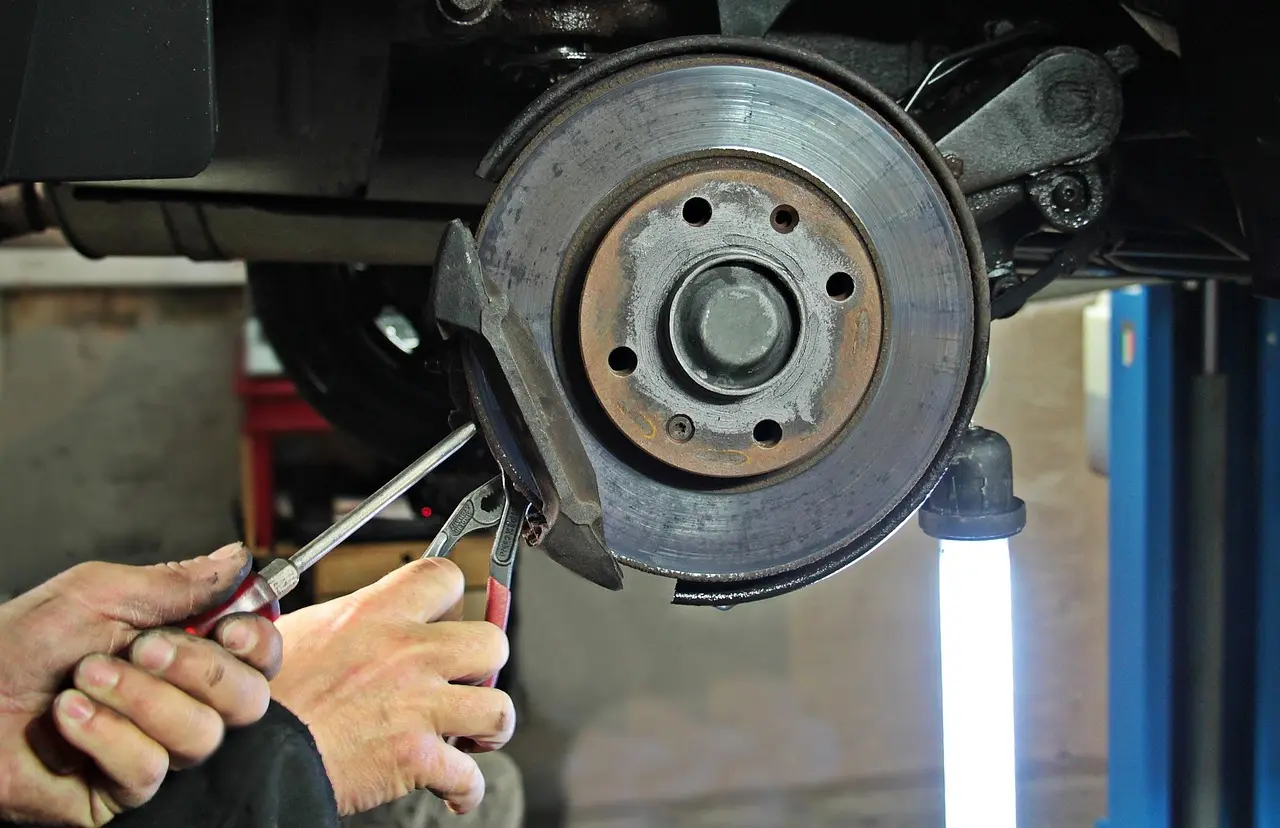
Compare the same scope, the same axle, and the same parts quality before judging a quote as too high. Dealer, chain, and independent-shop pricing can all be fair or unfair depending on labor rate, included parts, and whether the estimate spells out conditional work.
Dealer vs chain vs independent shop
Dealers often use OEM parts and can price higher on labor. Chains may offer package pricing that includes several brake items at once. Independent shops may separate work more clearly. None of those models is automatically better; the estimate details decide that.
Questions to ask before you approve
Confirm the scope. Ask whether the quote is for one rotor, one axle, or both axles. If the answer is unclear, do not compare totals yet.
Ask for line items. Request parts, labor, taxes, fees, and shop supplies on separate lines. A clear breakdown makes it easy to spot where the total is climbing.
Verify pad condition. Ask whether pads are being replaced because they are worn, or whether they are reusable. If the pads are included, that can explain a higher total without any inflation.
Check conditional extras. Ask what makes hardware, caliper service, brake fluid, or diagnostic charges necessary. If the shop cannot tie the item to a measured condition, it may be optional.
Compare the labor rate. A higher labor rate is not automatically wrong, but it should be visible. Compare it only after the axle count and parts list match.
Which line items are optional or conditional?
Resurfacing is conditional on thickness and shop policy. Pad replacement depends on pad wear and matching condition. Hardware is often needed on complete brake jobs, but not every job needs every small part. Brake fluid service and caliper service are legitimate when the system condition calls for them, not because every rotor job needs them.
Frequently asked questions
Why is my brake rotor replacement quote so high?
It is usually high because the quote includes more than rotors alone. Pads, hardware, rear-brake labor, caliper service, brake fluid, taxes, fees, and shop supplies can all raise the total. The fastest check is to confirm whether the estimate is for one rotor, one axle, or both axles.
Are pads, hardware, and labor included in the estimate?
Sometimes yes, sometimes no. Pads are often bundled with rotors, hardware may be included as a separate parts line, and labor should be clearly stated. If any of those items are missing from the written quote, ask before you approve the repair.
Is the quote for one rotor, one axle, or both axles?
That detail matters more than most shoppers expect. A front or rear axle usually means two wheels on that axle, so an axle quote covers two rotors. Comparing that total with a single-rotor number will make a fair quote look expensive.
Do rear rotors cost more because of the parking brake?
They can. Rear brake jobs may need extra time for the parking brake system, caliper reset, or different hardware. That added labor is legitimate when the vehicle design requires it, but the quote should say so clearly instead of hiding it in a vague repair line.
Can resurfacing lower the total bill?
Yes, but only if the rotor is thick enough and the shop offers resurfacing for that vehicle. If the rotor is near minimum thickness, replacement is usually the better call. Ask for the measured thickness and the minimum spec before choosing the cheaper option.
How do I know if rotors really need replacement?
Look for a measured thickness at or below minimum, deep scoring, heat damage, or a service note that explains why the rotor cannot be reused. A vague recommendation is not enough. The quote should point to a condition you can verify, not just a general brake complaint.