Brake Rotor Replacement Cost with Hub or Bearing Removal
Expect an extra about $75-$300 per side when a rotor job also requires hub or bearing removal, and axle-side labor may increase the cost further. Skipping that added labor can lead to damaged bearings, stuck rotors, and a quote that jumps after disassembly. This guide breaks down quote line items, common failure cases, and when the hub or bearing should come off.
What affects rotor quote pricing
A rotor quote usually starts with the rotor itself and then grows with labor, brake hardware, and any parts that must come off to reach it. Parts-only pricing is lower than installed pricing, and front and rear prices can differ because the hardware layout and labor time often differ too.
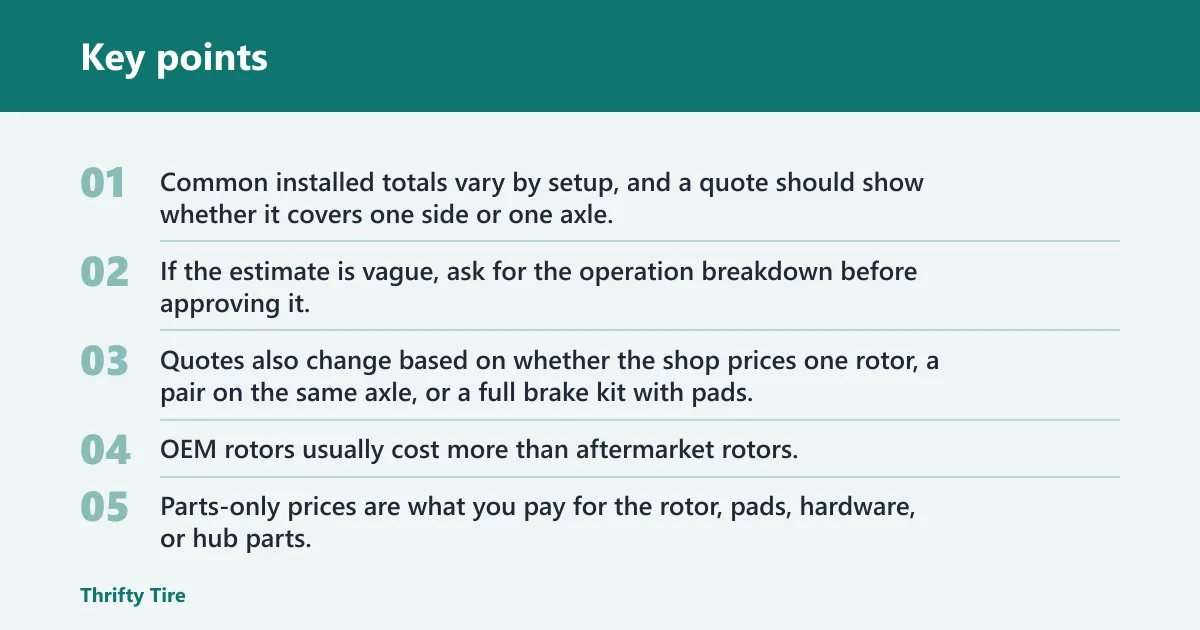
Common installed totals vary by setup, and a quote should show whether it covers one side or one axle. Typical ranges often look like this: rotor-only service on one side, rotor service with stuck fasteners or rust cleanup, rotor work that requires bolt-on hub removal, rotor work on a press-in bearing vehicle, and a combined rotor-and-bearing repair. If the estimate is vague, ask for the operation breakdown before approving it.
What changes the price on a rotor quote
Rotor condition matters. A worn or warped rotor may be a straightforward swap, while a rust-seized rotor can add extraction time and extra hardware. Quotes also change based on whether the shop prices one rotor, a pair on the same axle, or a full brake kit with pads.
OEM rotors usually cost more than aftermarket rotors. A complete installed quote also depends on the hourly labor rate, because the shop has to remove the wheel, caliper, and bracket, then clean and reassemble the brake parts before road testing.
Parts-only vs installed cost
Parts-only prices are what you pay for the rotor, pads, hardware, or hub parts. Installed cost adds labor, diagnosis if needed, and sometimes shop supplies. Taxes and shop fees may be left out of the headline number, so a written estimate should say what is included and what is not.
For bearing-related work, published repair figures help anchor the labor spread. RepairPal currently estimates a wheel bearing replacement at $346 to $504, with labor at $226 to $331 and parts at $121 to $172. Kelley Blue Book lists about $350 for one wheel bearing replacement.
How much does brake rotor replacement cost when hub or bearing removal is required?
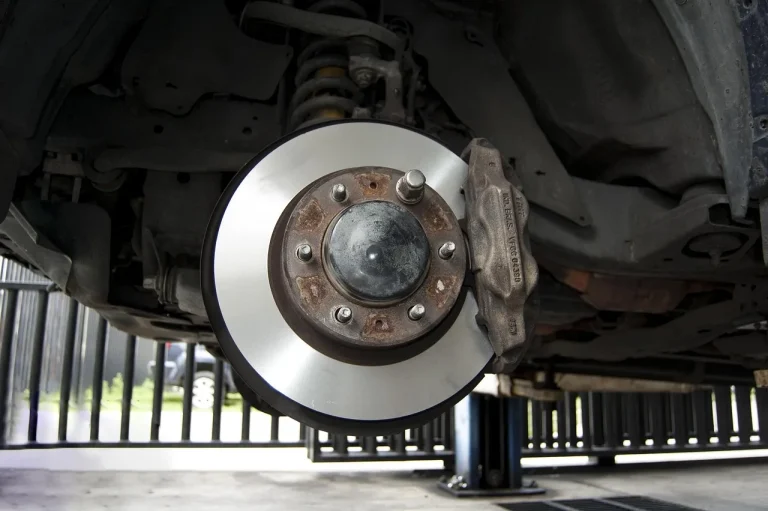
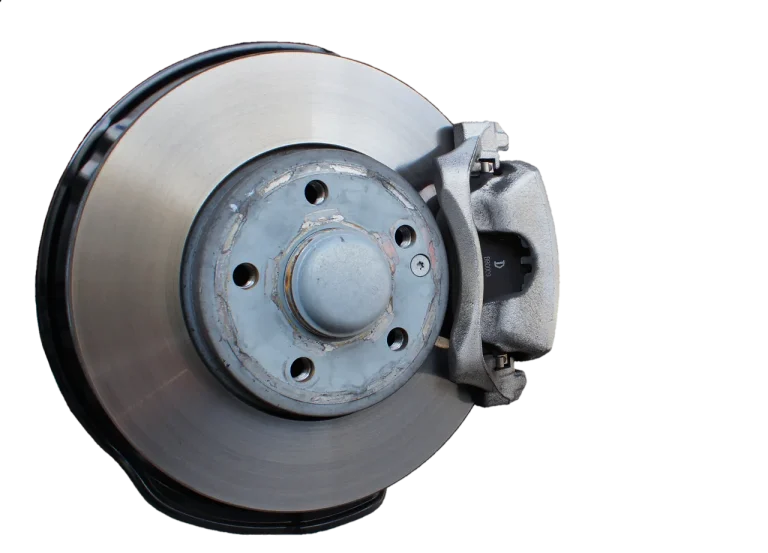
When the rotor sits behind the hub or shares space with a bearing assembly, the job is no longer a simple rotor swap. The shop may need extra disassembly to access the rotor, and that can turn a rotor quote into rotor-plus-hub or rotor-plus-bearing work.
Bolt-on hub assemblies
On some vehicles, the hub assembly bolts to the knuckle and the rotor slides off once the hub is out of the way. That adds labor, and if the hub is corroded or the fasteners are seized, removal can take much longer than expected. Complete hub assemblies may cost $200 or more, which is why the estimate can rise quickly.
Press-in bearing designs
Press-in bearing layouts are more involved. The rotor may be trapped by the hub and bearing stack, and the repair can require axle removal, pressing equipment, or replacement of the entire hub-bearing unit. Individual wheel bearings commonly cost around $50 to $150, but a complete assembly can cost more and save labor in the right setup.
Rust, seizure, and extra disassembly
Rust belt cars are a common reason for a bigger bill. Corrosion can lock the rotor to the hub, seize the caliper bracket hardware, and make brake clips and fasteners hard to reuse. If the hub face must be cleaned or the bearing is noisy, the shop may need more time for inspection before it can finish the rotor job.
Why quotes jump when the hub or wheel bearing is involved
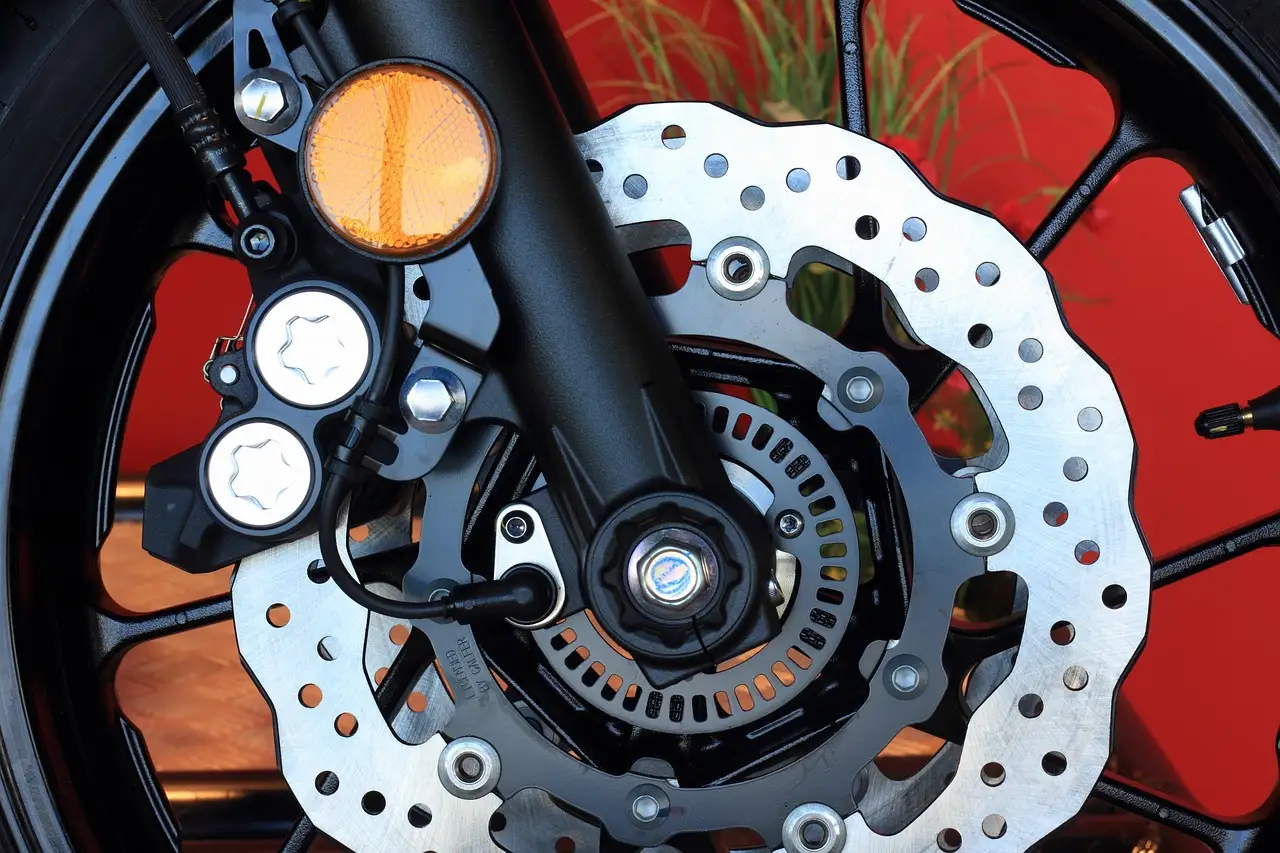
The rotor itself is only part of the price. Front rotors often cost more to install than rear rotors because of larger brakes, more labor, or related wear items, while axle pairs cost more than a single rotor because the shop is pricing both sides of the same axle.
Front vs rear rotor pricing
Front and rear prices can differ because the brake package is not the same on every vehicle. Rear rotors may be smaller and simpler, but some vehicles use rear parking brake hardware or tighter access that makes the job slower. OEM versus aftermarket choice also changes the parts total.
Single rotor vs axle pair
A single rotor quote is usually lower than an axle pair, but many shops recommend doing both sides together so braking stays even. That does not mean both sides must always be replaced, but the estimate should say whether the price is for one rotor or two rotors on the same axle.
Brake kit pricing with pads
Brake kits bundle rotors and pads, and some include front and rear variants for a specific vehicle. Retail pricing varies by fitment and duty rating. Walmart lists a front and rear brake kit for some Chevy Equinox and GMC Terrain models at $199.99, and Walmart lists a PowerStop truck and tow brake pad and rotor kit at $439.77.
Say your front rotor is badly rusted on a compact SUV and the shop quotes a rotor-and-pad kit instead of rotors alone. The added parts may be modest, but the final total can still rise because the estimate now includes pads, hardware, and extra labor to clear the seized rotor from the hub.
Answer-first cost matrix: a rotor-only quote is usually the lowest total, while stuck-rotor cleanup, bolt-on hub removal, press-in bearing work, and rotor-plus-bearing replacement each raise the bill. A good estimate should separate the parts, the labor, and any extra teardown so you can compare one repair path against another.
- Rotor-only on one side: usually the simplest installed quote, with rotor labor, pads if included, hardware if needed, and standard shop fees.
- Rotor-only on one axle: higher than one side because both sides are priced together, often with the same labor structure repeated once.
- Stuck rotor on one side: adds extraction time, possible cleanup, and replacement hardware if the rotor is rusted to the hub.
- Bolt-on hub removal: adds hub labor and may add an axle nut line if the design requires it.
- Press-in bearing vehicle: can add press labor, bearing diagnosis, and sometimes a complete hub assembly instead of separate parts.
- Rotor plus bearing replacement: should show separate rotor labor, bearing work, and any alignment check if the vehicle calls for it.
- Rotor job with diagnosis: should show whether the quote includes diagnosis, or whether that charge is separate from brake replacement.
| Scenario | Likely added labor/parts | What should appear on the estimate |
|---|---|---|
| Rusted rotor on bolt-on hub | Extra extraction time, hub removal labor, possible hub cleaning | Rotor labor, hub removal, corrosion cleanup, hardware replacement if needed |
| Press-in bearing vehicle | More disassembly, possible press work, bearing or hub assembly parts | Rotor replacement, bearing diagnosis, press labor or hub assembly line item |
| Rotor and bearing both replaced | Bearing parts, additional labor, possible alignment check | Rotor, bearing or hub assembly, labor split by operation, alignment if required |
| Rotor-only with caliper service | Brake cleaning, slide service, possible bracket hardware | Rotor labor, caliper service, brake hardware, pads if worn |
| Front-wheel-drive axle-side labor | Axle nut work, hub access time, more teardown | Rotor labor, axle-side labor, hub access, fastener replacement if needed |
| AWD vehicle with hub interference | Longer teardown, axle removal, possible bearing replacement | Rotor labor, axle removal, hub or bearing labor, parts list by side |
| Wheel bearing noise during brake quote | Diagnosis add-on, bearing inspection, possible hub assembly | Diagnostic charge, bearing check, note that rotor work may wait |
| Corroded brake hardware | New clips, bolts, bracket hardware, longer reassembly time | Brake hardware, labor to remove seized fasteners, any broken parts |
Do you need a hub or bearing too?
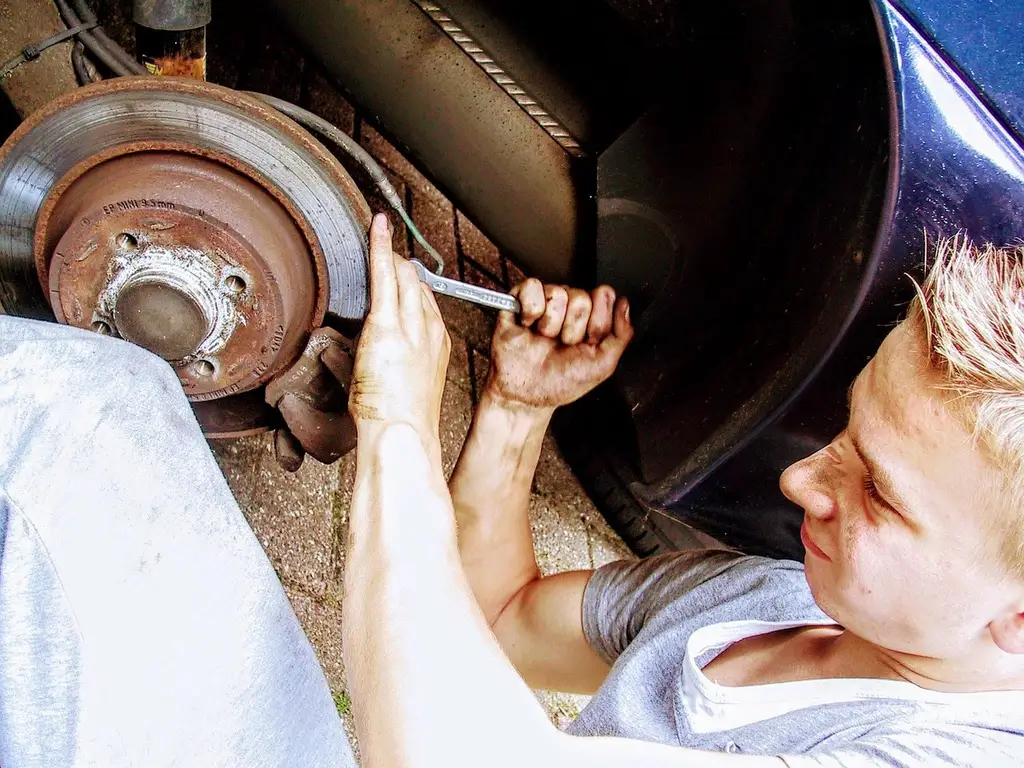
Not always. A bad bearing can raise rotor cost, but the shop should first confirm whether the bearing is actually part of the problem or whether the rotor is the only worn item. If the bearing is noisy, loose, or damaged, the quote may shift from brake work to a combined hub or bearing repair.
Signs the bearing may be part of the problem
Humming, grinding, or speed-related noise can point to bearing wear, and that can justify extra diagnosis. If the noise changes when turning or if the wheel has play, the shop may need to inspect the hub and bearing before quoting the rotor job. A diagnostic add-on may cost about $50 to $150.
When a hub assembly makes sense
A complete hub assembly often makes sense when the bearing is integrated into the hub or when the old unit is damaged during removal. This can be cheaper than trying to rescue worn parts one by one, especially if the vehicle uses a bolt-on design and the old hub is badly rusted.
When diagnosis should be separate
If the brake complaint is only pedal pulsation or pad wear, the bearing may not need replacement. In that case, the estimate should keep rotor service separate from bearing diagnosis. If the bearing is not confirmed bad, the shopper should ask for a written note showing why the extra labor is needed.
-
Ask for the failed part.
Get the shop to identify whether the rotor, hub, bearing, or hardware is actually the problem. That keeps the estimate tied to one repair path instead of bundling work that may not be needed. -
Request line-item labor.
Ask how many labor hours are for rotor replacement and how many are for hub or bearing removal. If the estimate does not separate them, it is harder to see where the added cost comes from. -
Confirm parts choice.
Ask whether the quote uses OEM, aftermarket, or a brake kit with pads. Parts choice changes the total more than many drivers expect, especially on vehicles with specific fitment.
What should be on the estimate?
A clear brake estimate should list the rotor, pads if they are part of the job, brake hardware, labor, and any added diagnosis. It should also say whether taxes and shop fees are included, because those can change the final amount at pickup.
Rotor, pads, and brake hardware
At minimum, the estimate should show the rotor count, pad count if pads are being replaced, and hardware such as clips, bolts, and caliper bracket pieces when corroded parts need replacement. If the rotor is stuck, the estimate should say so, because seized hardware can turn a routine service into a much slower repair.
Labor rate, taxes, and shop fees
Labor can be billed by the hour or by a flat service operation. Either way, the written quote should state the labor line and whether taxes or shop fees are excluded from the figure. That matters because a low headline price can rise once the bill is finalized.
What to confirm before approving the repair
A common first-timer mistake is approving rotor work without asking whether the quote covers one axle or both sides, and whether the hub or bearing is included if the rotor is trapped behind it. Ask for the parts list, labor line, and any possible add-on before the work starts.
Can rotor labor jump on rusted or AWD vehicles?
Yes. Front-wheel-drive axle-side labor and AWD layouts can add teardown time because the hub, axle, or bearing may block access to the rotor. Corrosion-heavy vehicles can add even more time if the rotor is seized to the hub or the fasteners break during disassembly.
Front-wheel-drive axle-side labor
On some front-wheel-drive cars, the axle nut and hub area have to come apart before the rotor can move. That does not mean every FWD brake job needs axle work, but when it does, the estimate should show that the rotor job is no longer a simple brake service.
AWD and axle removal cases
AWD vehicles often create more access issues because the axle and hub components sit closer together. If the rotor is trapped behind those parts, the estimate may need to include axle removal, bearing service, or a complete hub assembly. That is where a rotor quote can move from moderate to expensive fast.
Corrosion-heavy vehicles and seized fasteners
When fasteners are seized, labor rises even if the parts are common. Corroded bracket bolts, frozen clips, and rusted rotor hats can add time to removal and reassembly. In severe cases, a shop may need extra parts because some hardware cannot be reused once it is broken free.
Suppose a midsize AWD crossover needs front rotors and the bearing makes a growl at 25 mph. The estimate may start as a brake quote, then become a rotor-plus-bearing job once the hub is inspected and the shop confirms the noise comes from the bearing rather than the pads.
Frequently asked questions
How much does brake rotor replacement cost if the hub or bearing has to come off too?
Expect the rotor repair to rise by about $75-$300 per side when hub or bearing removal is needed, and additional axle-side labor may add more to the total. A complete bearing repair can land in the $250 to $600 per wheel range, depending on parts choice and vehicle layout.
Why does my rotor quote jump when the hub or wheel bearing is involved?
The quote jumps because the job is no longer just rotor replacement. The shop may need extra teardown, a bearing diagnosis, a hub assembly, or press work. RepairPal’s wheel bearing estimate of $346 to $504 shows how quickly parts and labor add up.
Is it normal to replace rotors and wheel bearings at the same time?
Yes, if the bearing is noisy, loose, or damaged, the jobs often overlap. That does not mean both parts always fail together. It means the estimate should separate brake wear from bearing wear so you can see why the extra work is needed.
How much labor is added when a rotor is stuck on the hub?
Labor can rise enough to change a basic brake job into a longer service call. The added time depends on rust, fastener condition, and whether the hub must come off. On rusted vehicles, the labor increase can be larger than the price of the rotor itself.
Do I need a new hub assembly if I only need rotors?
Not automatically. A hub assembly only makes sense if the rotor cannot be removed cleanly, the hub is damaged, or the bearing is integrated and worn. If the hub is sound, the estimate should stay rotor-only and list any extra cleanup separately.
What parts and labor should be included in a rotor replacement estimate?
The estimate should list rotors, pads if they are being replaced, brake hardware, labor, and any diagnosis or hub removal. It should also say whether taxes and shop fees are included. If the wheel bearing is suspected, that should be shown as a separate line item.
Can a bad wheel bearing increase the cost of rotor replacement?
Yes. A bad bearing can add diagnosis time, hub removal, press work, or a complete hub assembly. Because complete hub assemblies may cost $200 or more, the final bill can climb well beyond a rotor-only quote.
How can I tell whether the quote includes just rotors or the whole hub service?
Look for separate lines for rotor labor, hub removal, bearing diagnosis, and hub or bearing parts. If the estimate only says “brakes,” ask for a breakdown. A clear quote should show whether the repair is rotor-only, rotor-plus-hub, or rotor-plus-bearing work.