How to Inspect a Used Car That’s Already Plus-Sized
Inspect a used car with oversized wheels and tires by checking load rating, fender clearance, inner clearance, tread wear, alignment evidence, and brake clearance. If any tire rubs or the setup looks mismatched, treat it as a repair cost, not a bonus. Bad fitment can eat tires, strain suspension parts, and create immediate expenses after purchase. This guide shows what to look for before you buy, from wheel specs and tire size to signs the modification is already causing wear.
This guide is part of our Plus sizing tires: how to do it without fit problems series.
How to verify fitment and condition
Start with fitment and records, then move to wear, clearance, and a road test. A plus-sized setup can look fine in photos and still hide spacer stacking, offset mismatch, or caliper contact that gets expensive as soon as you drive it home.
- Check the history first. Run the VIN through title, salvage, flood, and repair records, and ask about open recalls and maintenance history. Consumer Reports recommends a mechanic inspection before finalizing the deal, and Military Consumer points buyers to vehiclehistory.gov for VIN-based title, insurance loss, and salvage information. (Consumerreports) (Militaryconsumer)
- Verify the wheel and tire specs. Read the tire sidewall and wheel markings before you look at the body. Confirm size side-to-side, load index, speed rating, wheel diameter, wheel width, offset, bolt pattern, and lug nut seat type.
- Inspect for contact evidence. Look at the inner fender liners, struts, control arms, sway bars, and brake parts for shiny rub marks, fresh scrapes, or dust trails. Any repeated contact means the setup is already moving under load.
- Test the car on the ground. Turn full lock, compress the suspension by steering into a driveway dip, and look for rubbing. Then road test it on straight pavement, rough pavement, and braking to catch vibration, pull, and centering issues.
- Get a second set of eyes. If the seller cannot document wheel, tire, spacer, or alignment work, schedule a pre-purchase inspection before you commit. A mechanic should review the underbody, scan the car with an OBD2 tool, and assess steering, suspension, and brake clearance.
What you’ll need before you inspect
- Tire tread depth gauge
- Torch or inspection light
- Gloves and a small mirror
- Jack or lift access, if allowed
- Paper towels or a rag
- Magnetic caliper or ruler for clearance checks
- OBD2 scan tool
- Phone with GPS speed display for a road check
- Camera for photos of wear, markings, and labels
- Clipboard or notes app for the checklist
Plus-sized used car pass/fail sheet
| Group | Item | Pass | Fail | Risk | Notes |
|---|---|---|---|---|---|
| Wheels | Wheel diameter matches axle side-to-side | Same size on both sides | Mixed diameters | Red | Unequal size can change fitment and handling. |
| Wheels | Wheel width fits the tire | Tire sits square on the rim | Bulged or pinched sidewall | Yellow | Check for stretched or squeezed fitment. |
| Wheels | Offset looks correct | Even fender gap and no poke | Wheel sits too far in or out | Red | Offset mismatch can hit suspension or fenders. |
| Wheels | Bolt pattern and lug seat type match | Proper hardware and seat contact | Adapters, mismatched seats, or damaged nuts | Red | Confirm conical, ball, or flat seat type. |
| Tires | Tire size matches side-to-side | Same size on both sides of the axle | Different sizes front to back or side to side | Red | Mismatched tires can upset AWD systems. |
| Tires | Brand consistency | Same brand and model across the axle | Mixed brands or mixed constructions | Yellow | Mixed setups can hide different grip and wear. |
| Tires | Tread depth is even | Similar depth across the tread | Edge wear, cupping, or feathering | Yellow | Uneven wear points to alignment or suspension issues. |
| Tires | DOT date code and age | Readable code and sensible age | Old, cracked, or unreadable code | Yellow | Old tires can be dry and hard even with tread left. |
| Tires | Load index and speed rating fit the car | Meets or exceeds factory spec | Lower rating than factory | Red | Check each tire, not just one. |
| Brakes | Rotor clearance | No shiny contact marks | Scraping or witness marks | Red | Wheel size changes can crowd the rotor area. |
| Brakes | Caliper clearance | Clear space all around caliper | Caliper nearly touches wheel | Red | Spacer or wheel shape may be wrong. |
| Brakes | ABS warning light status | Light comes on at key-on and clears after start | Light stays on or returns | Red | Modified wheel speed signals can trigger faults. |
| Brakes | Pedal feel | Firm and consistent pedal | Soft, long, or pulsing pedal | Yellow | Check for worn parts or warped rotors. |
| Suspension | Ride height sits level | Even stance side-to-side | Sagging corner or nose-down rake | Yellow | May point to tired springs or added load. |
| Suspension | Alignment wear pattern | Even wear across tread | Inside or outside shoulder wear | Yellow | Large tires can hide toe or camber problems. |
| Suspension | Spacer use is documented | Proper hub-centric parts and receipt | Stacked spacers or no proof | Red | Spacer stacking is a major red flag. |
| Suspension | Ball joints, struts, shocks, and bushings | No looseness or leaks | Play, clunks, or fluid leaks | Red | Oversize wheels can speed wear. |
| Road test | Highway vibration | Smooth at steady speed | Shake through seat or wheel | Yellow | Could be balance, bent rim, or tire damage. |
| Road test | Pulling under braking and lane tracking | Tracks straight and stops straight | Pulls left or right | Red | May signal alignment or brake issues. |
| Road test | Noise at full lock | Quiet at full steering lock | Scrub, thump, or grind | Red | Usually means rubbing or clearance loss. |
What should you check on the wheels and tires?
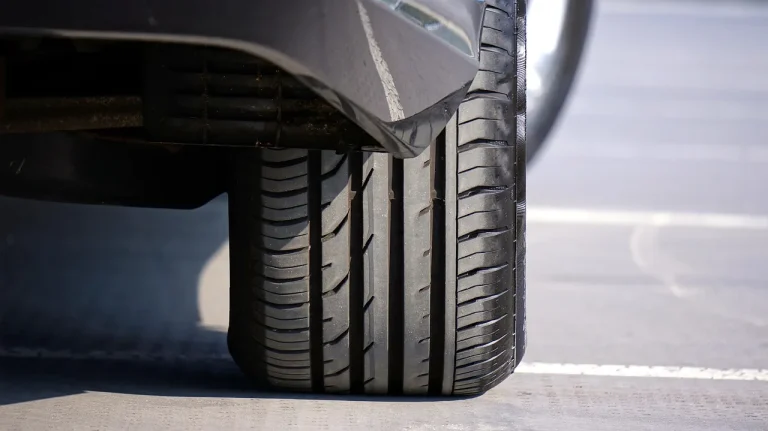
Look for matching wheel and tire dimensions, then inspect the sidewalls and inner barrel for contact marks. Mixed brands, unequal tread depth, or a wheel that sits too far inward or outward often points to offset trouble, spacer use, or a size change that was not set up correctly.
Consumer Reports says to ask about maintenance records before buying a used car, and a tire invoice can be as useful as a brake receipt here. If the seller cannot explain the wheel width, offset, bolt pattern, and lug nut seat type, assume the setup may have been assembled by guesswork.
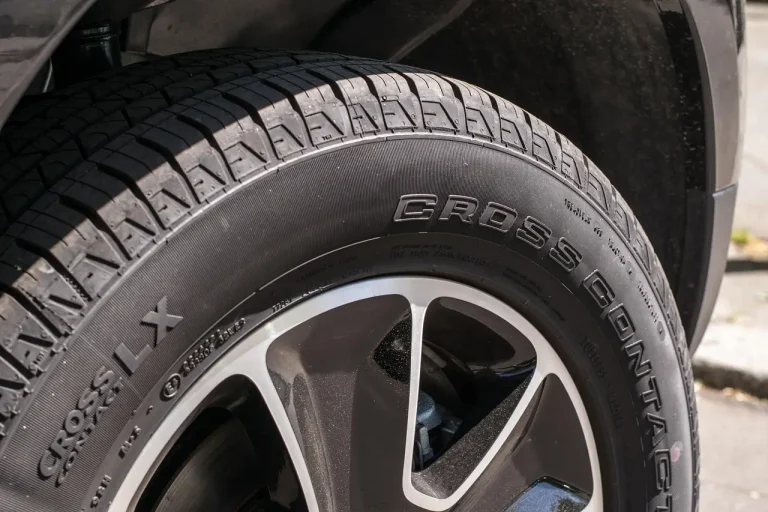
- Read the sidewalls. Match tire size, load index, and speed rating on both sides of each axle. Unequal sizes on AWD vehicles are a serious warning sign because they can create rolling-speed differences.
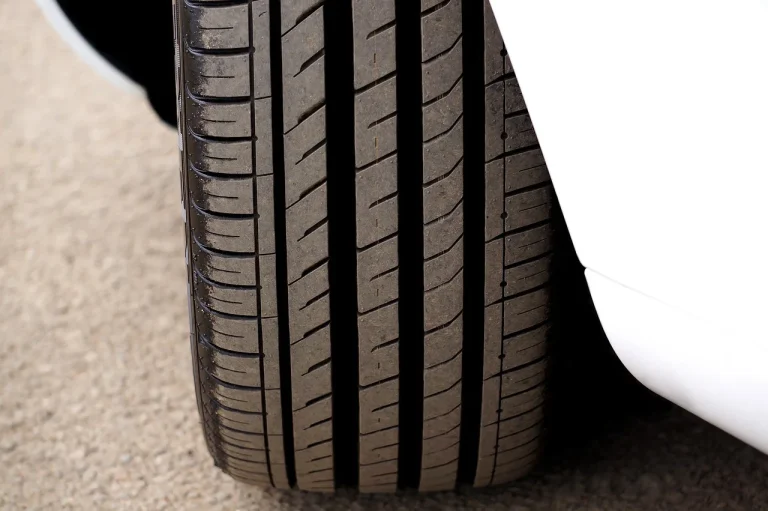
- Check tread and wear. Measure tread depth across the inner, middle, and outer ribs. Feathering, cupping, or one-shoulder wear usually means alignment correction will be needed.
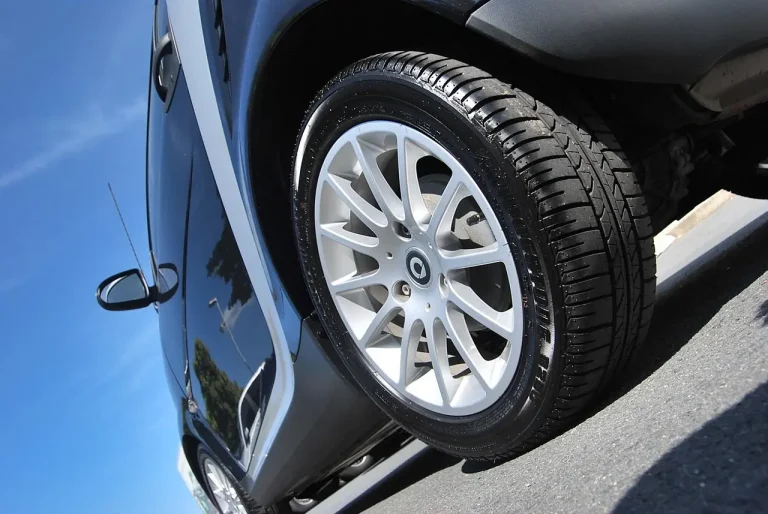
- Inspect wheel hardware. Confirm the wheels match the bolt pattern and lug nut seat type. Look for adapters, stacked spacers, cracked finishes around lug holes, bent lips, or a wheel that sits unevenly against the hub.
Say your buyer checklist finds 5/32 inch on the front tires and 9/32 inch on the rear, with mixed brands on an AWD sedan. That is not a cosmetic issue. It means the owner may have masked a mismatch, and all four tires may need replacement sooner than expected.
How do you check brakes and suspension on a modified car?
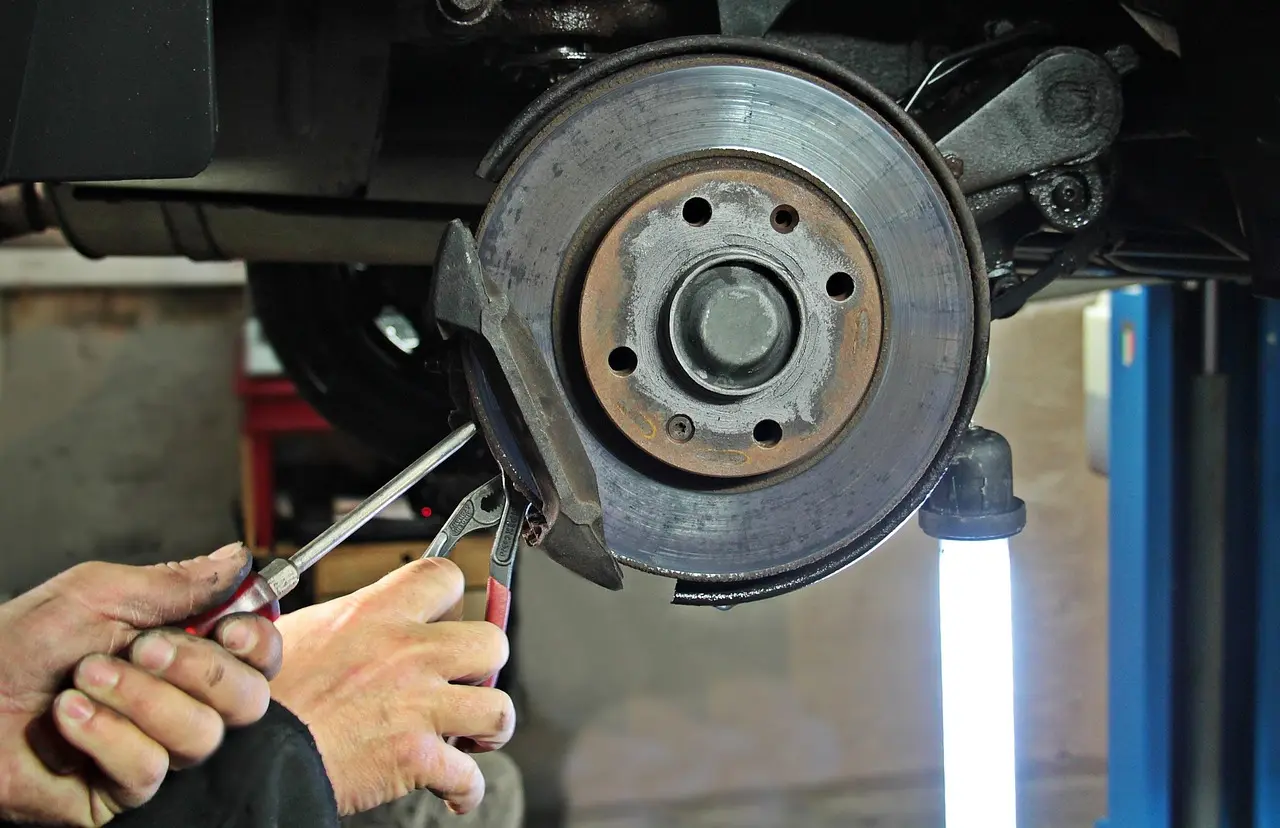
Plus sizing can hide brake and suspension strain because bigger wheels and tires change the room around the caliper, strut, and control arm. Check for rotor and caliper clearance, ball joint looseness, and wear patterns that point to alignment problems or parts that are already working too hard.
Military Consumer recommends hiring a mechanic you trust to inspect the car, and that matters here because some defects only show when the car is on a lift or under load. A seller may mention “just an alignment” when the real issue is a worn control arm or spacer that pushed the wheel too far outward.
- Inspect brake clearance. Turn the wheel to both stops and look between the barrel and the caliper, dust shield, and rotor. Any witness marks or close contact means the wheel package may be wrong.
- Check the suspension joints. Look for torn boots, leaking struts or shocks, and play in ball joints and tie rods. Oversized wheels can speed up wear by adding stress.
- Measure ride height and clearance. Compare both sides of the same axle and check the space between the tire, control arm, and fender liner. Contact marks on fresh paint or plastic usually mean the setup rubs under compression.
Picture a truck with 20-inch wheels, a spacer on each front hub, and a tire that only clears the strut by a few millimeters. If the steering makes a rubbing sound at full lock, the problem is likely fitment, not a normal noise.
What should the road test tell you?
The road test should confirm whether the setup tracks straight, stops straight, and stays quiet at speed. Vibrations, pull under braking, steering wheel off-center, and noise at full lock all point to wheel, tire, brake, or alignment trouble that should be priced before purchase.
The same source says to test-drive a used car in highway, stop-and-go traffic, hills, and other conditions. That matters even more with oversized wheels because one surface can hide a problem that another surface exposes.
- Drive at highway speed. Hold a steady pace and feel for vibration in the seat, floor, or steering wheel. A shake that appears only above 50 mph often points to balance, a bent wheel, or a tire issue.
- Brake from different speeds. Test light and firm braking on a straight road. Pulling to one side suggests brake imbalance or alignment trouble, while a pulsing pedal often points to rotor issues.
- Turn full lock and listen. In a parking lot, turn fully left and right at low speed. Scrub, click, or grind noises usually mean rubbing against the liner, control arm, or caliper area.
- Check speedometer agreement. Compare the dash speed to a GPS app on a level road. If the number is off, the wheel and tire size likely changed enough to affect speed display and odometer math.
Common mistakes to avoid
The biggest mistake is assuming a clean stance means a safe setup. The next mistake is skipping the underbody, where spacer stacking, bent lips, and fresh scrapes often show up first. A seller who refuses an inspection or will not provide receipts for wheels, spacers, tires, or alignment should be treated as a red flag.
- Do not buy with mismatched tire sizes on an AWD vehicle unless a qualified mechanic confirms the setup is acceptable.
- Do not accept “they all do that” for rubbing, vibration, or a crooked steering wheel.
- Do not ignore mixed brands or uneven tread depth on the same axle.
- Do not skip an OBD2 scan, even if the dash has no warning lights.
- Do not accept spacers without proof of correct fitment and torque practices.
Frequently asked questions
How do I inspect a used car that has already been plus sized?
Start with the VIN history, then inspect wheels, tires, brakes, and suspension before a road test. Check for fitment proof: correct size, correct offset, no rubbing marks, even wear, and a clean underbody. If the seller cannot document the setup, treat it as a repair-risk purchase.
What tire and wheel problems should I look for on a plus-sized car?
Look for mixed tire brands, side-to-side size differences, low tread depth, old DOT dates, bent rims, cracked lips, and offset that pushes the wheel too far in or out. Also confirm load index and speed rating meet the car’s needs, not just the wheel’s appearance.
How can I tell if the wheels or tires are rubbing on a used car?
Check for shiny contact marks on liners, struts, control arms, or the tire shoulder. Then turn full lock and compress the suspension while watching the inside edge of the tire. Noise only while turning or over dips is a classic sign of rubbing.
What signs show a plus-sized setup was installed poorly?
Spacer stacking, mismatched lug seat types, uneven fender gap, steering wheel off-center, and fresh scrapes on suspension parts are common signs. Poor installs also leave uneven tire wear, vibration at speed, and a brake pedal or ABS warning light that should not be there.
Do I need a mechanic to inspect a used car with aftermarket wheels?
Yes. The same source recommends a mechanic inspection before the deal is finalized, and Military Consumer says to hire a mechanic you trust. Ask for an underbody check, an OBD2 scan, and a road test that includes steering, braking, and suspension evaluation.
What records should I ask for before buying a plus-sized used car?
Ask for service records, tire invoices, wheel or spacer receipts, alignment records, and any repair paperwork for suspension or brake work. Also check accident, salvage, flood, and recall status by VIN. Military Consumer points buyers to vehiclehistory.gov for title and loss information.